
Level 1 sweep and inspection to the NFPA 211 annual standard - flue, crown, cap, and flashing checked and photographed
Chimney sweep logs do not sweep chimneys. They loosen some creosote - which then falls where a brush and vacuum still have to collect it.
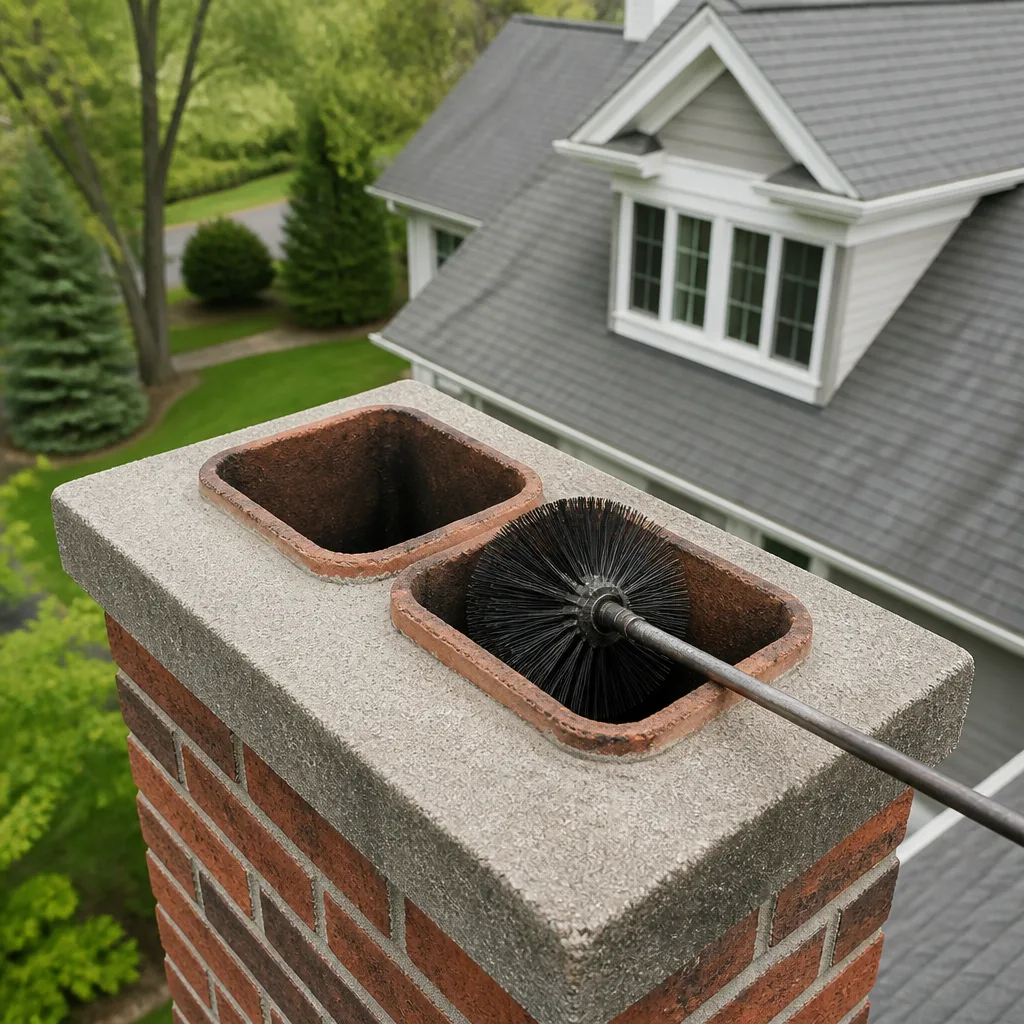
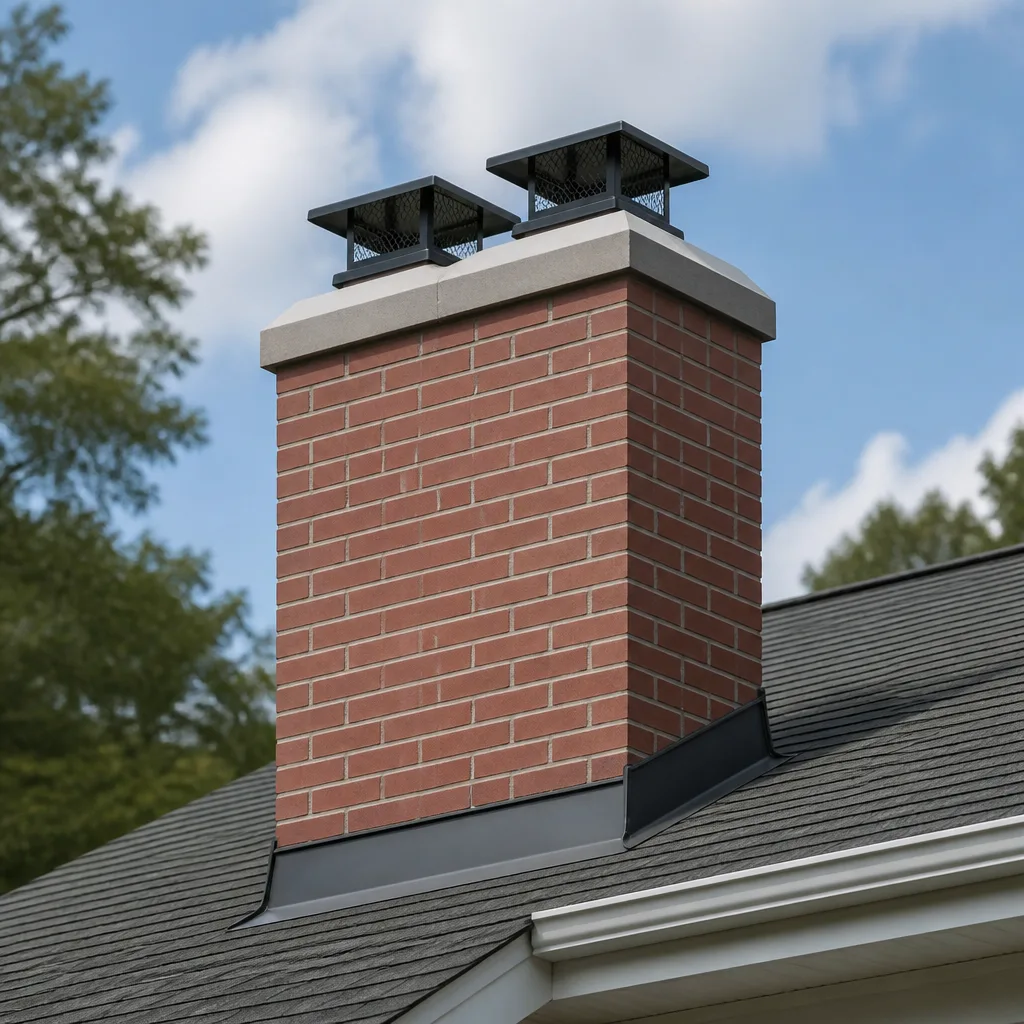
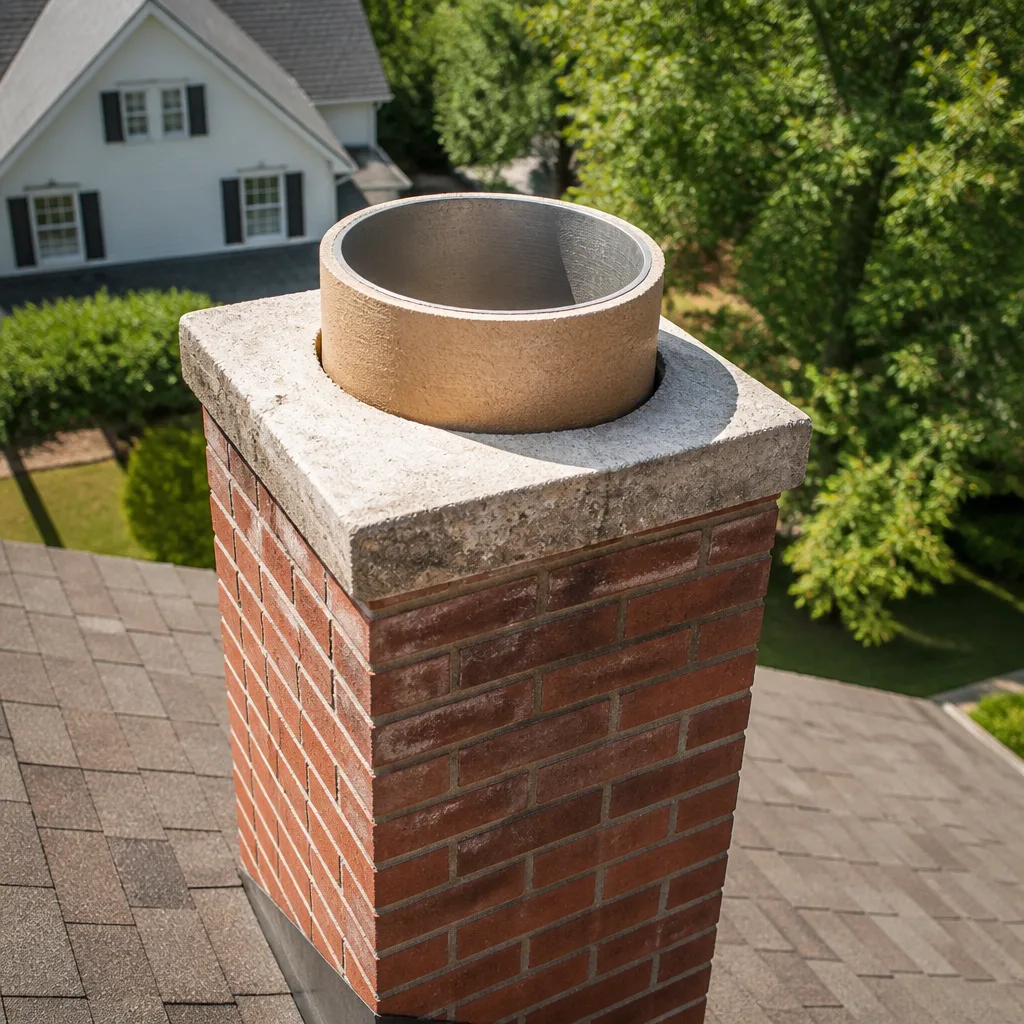
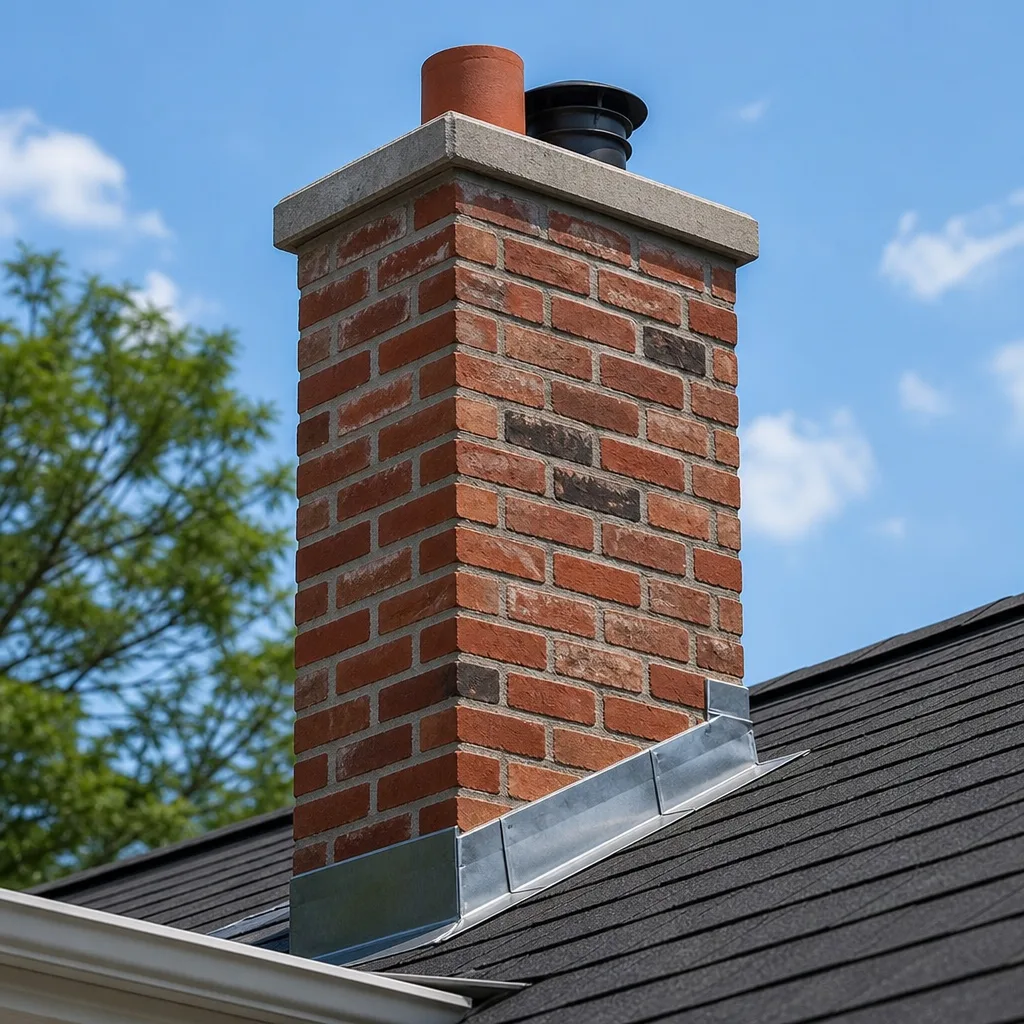
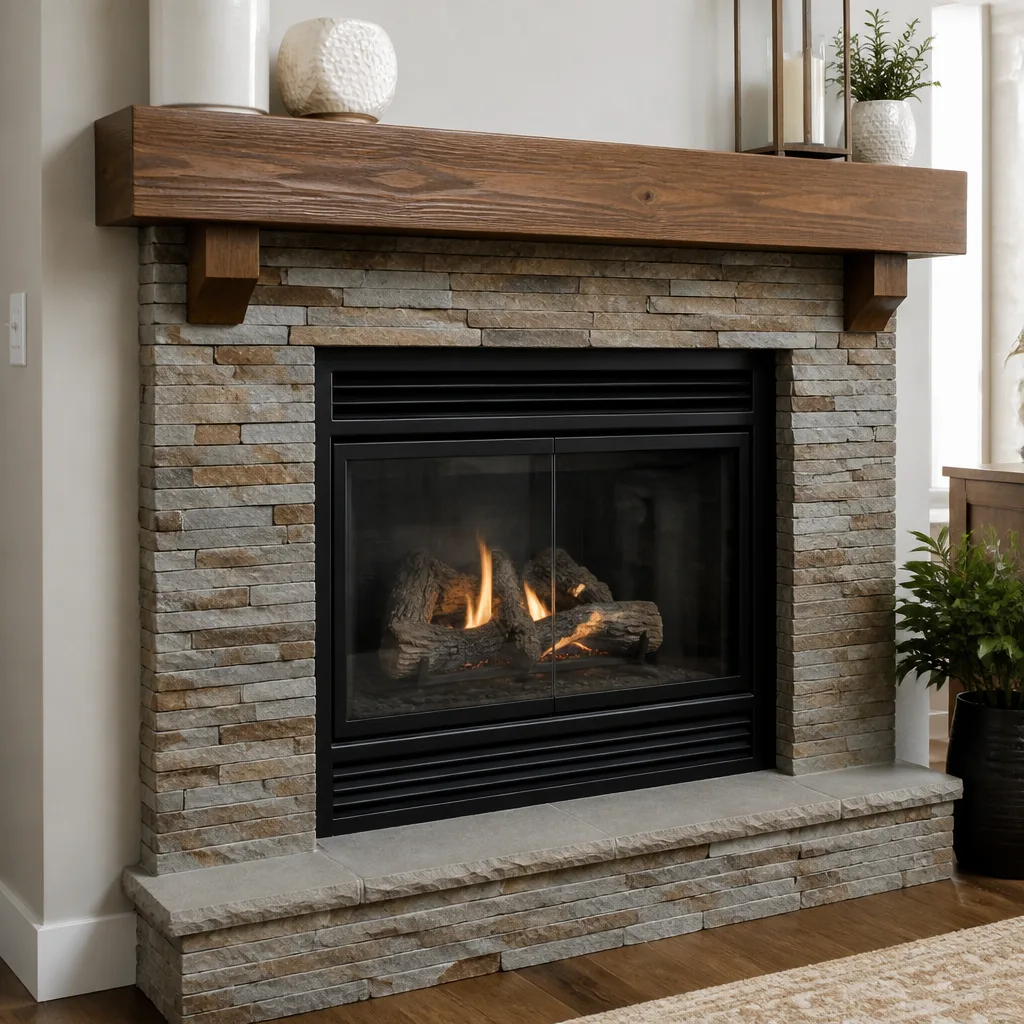
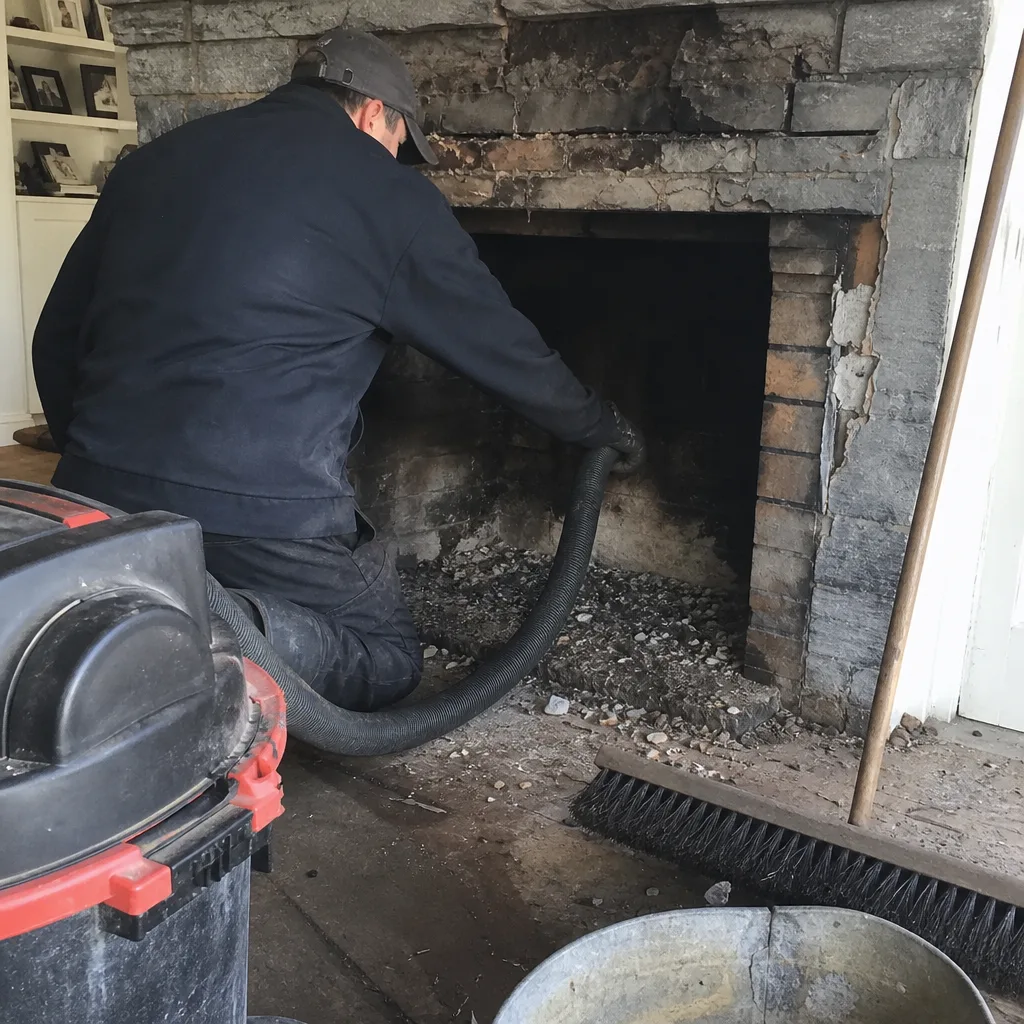 Before
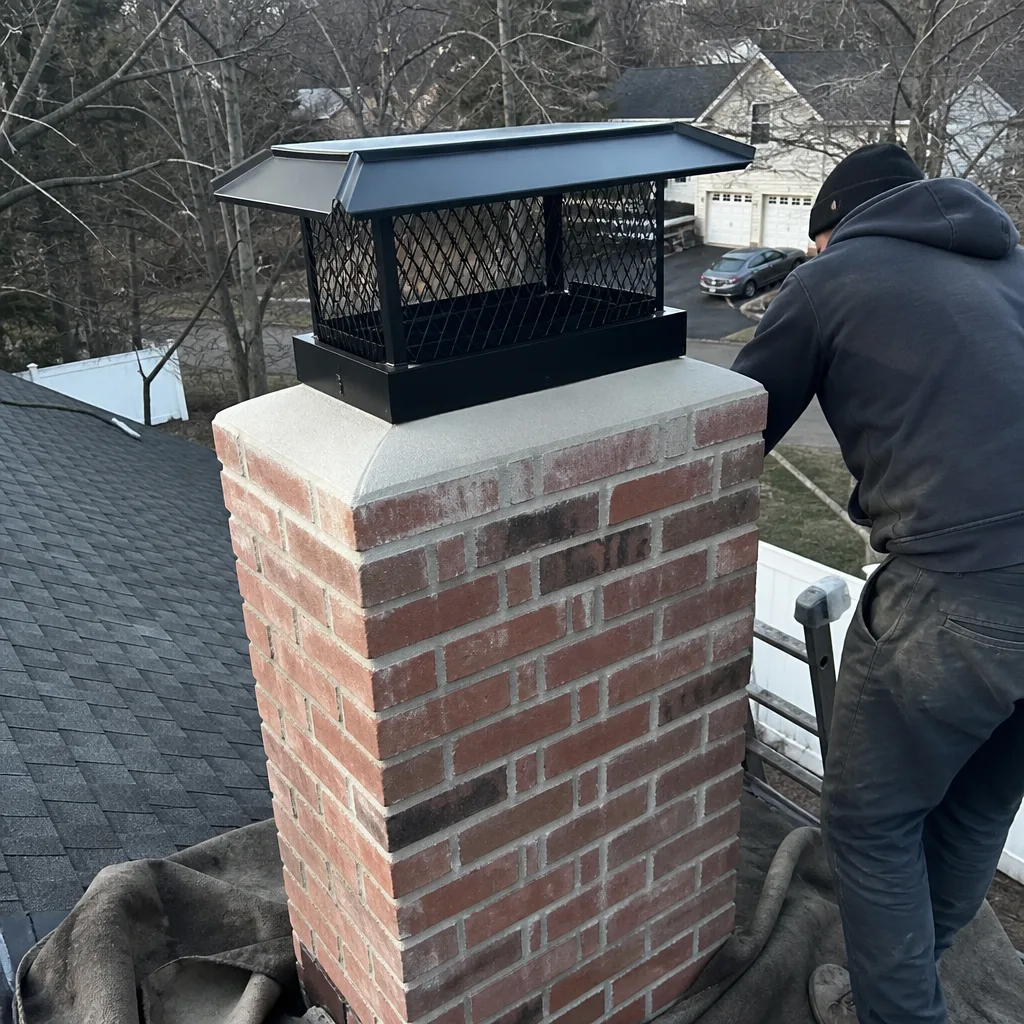 After
After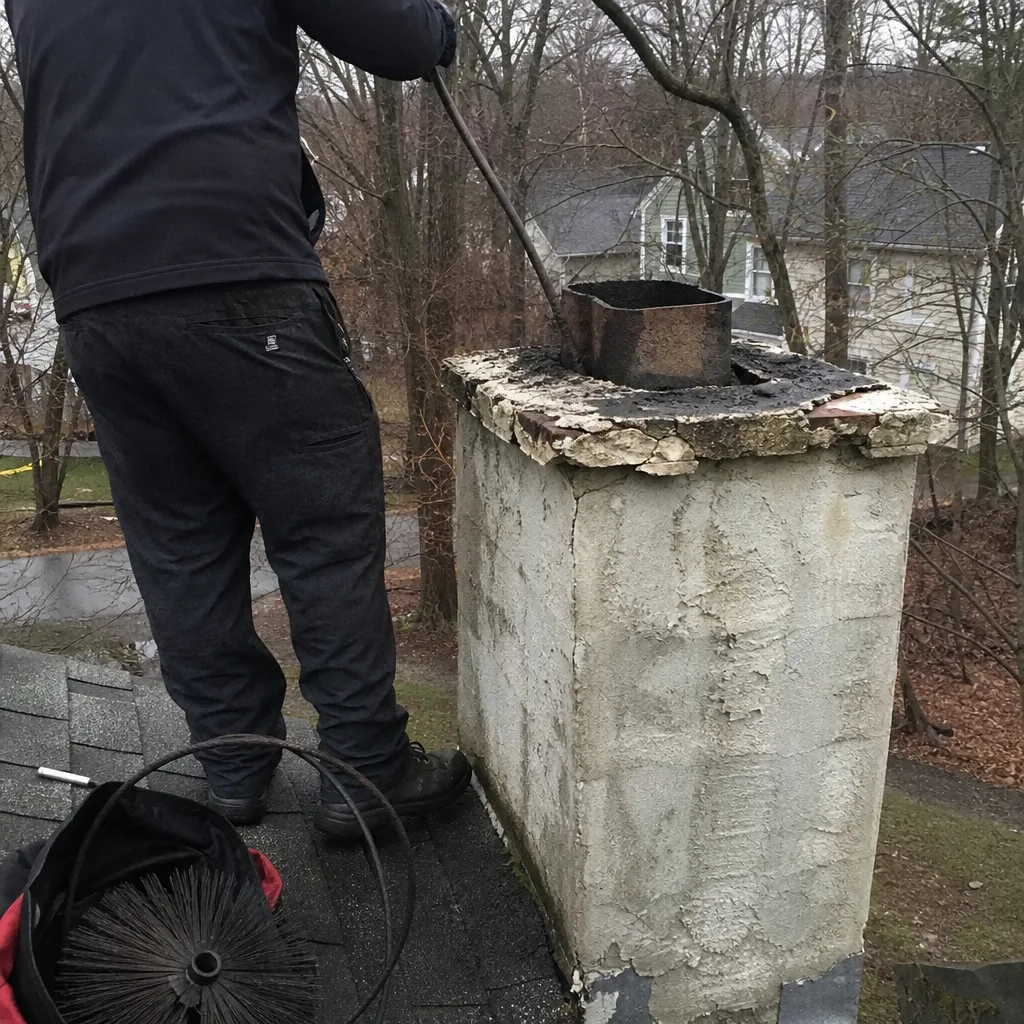 Before
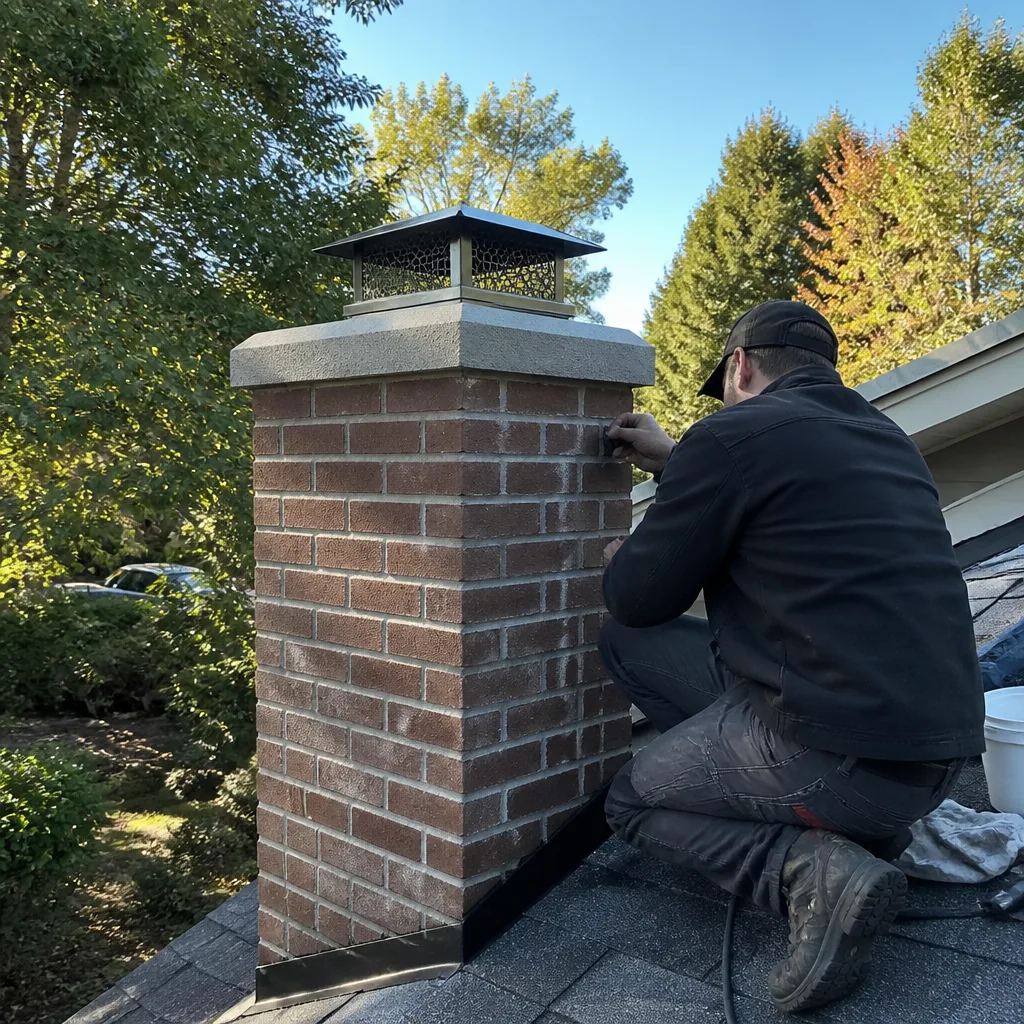 After
After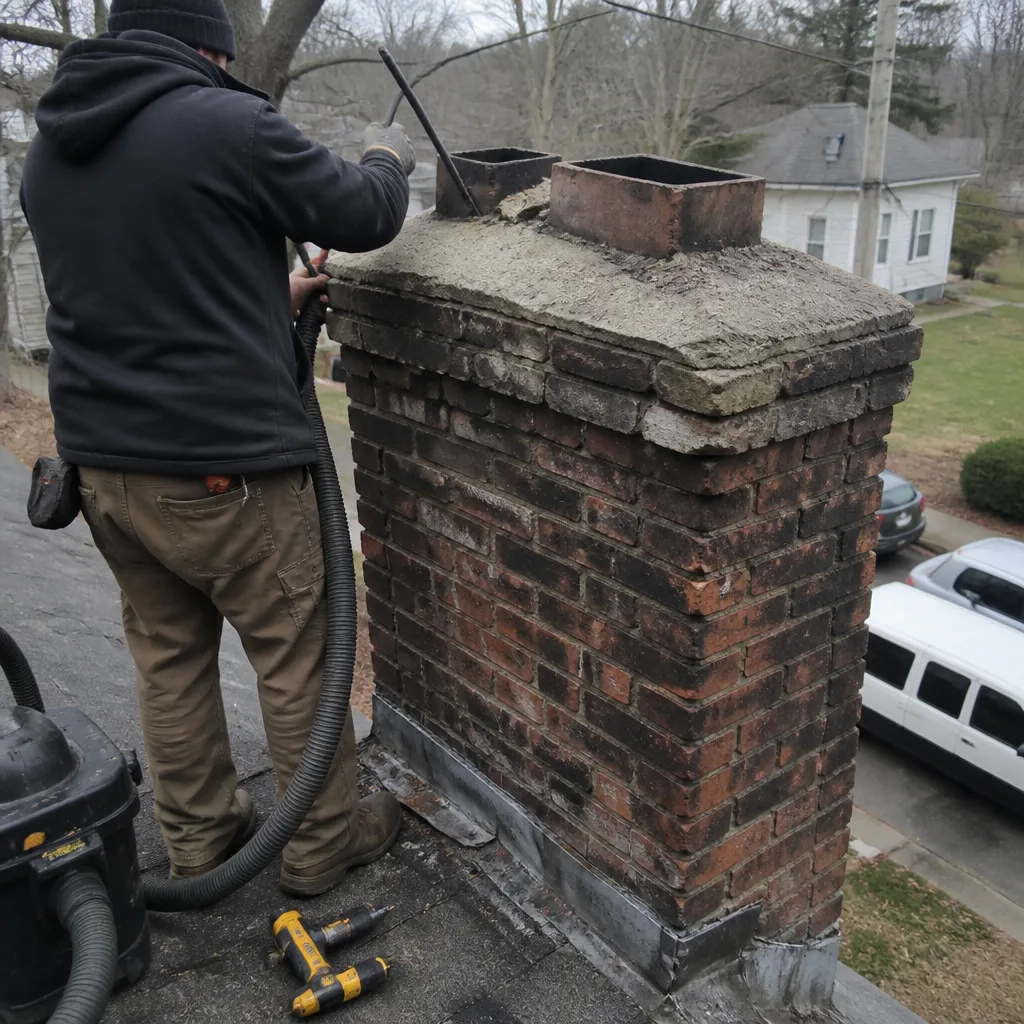 Before
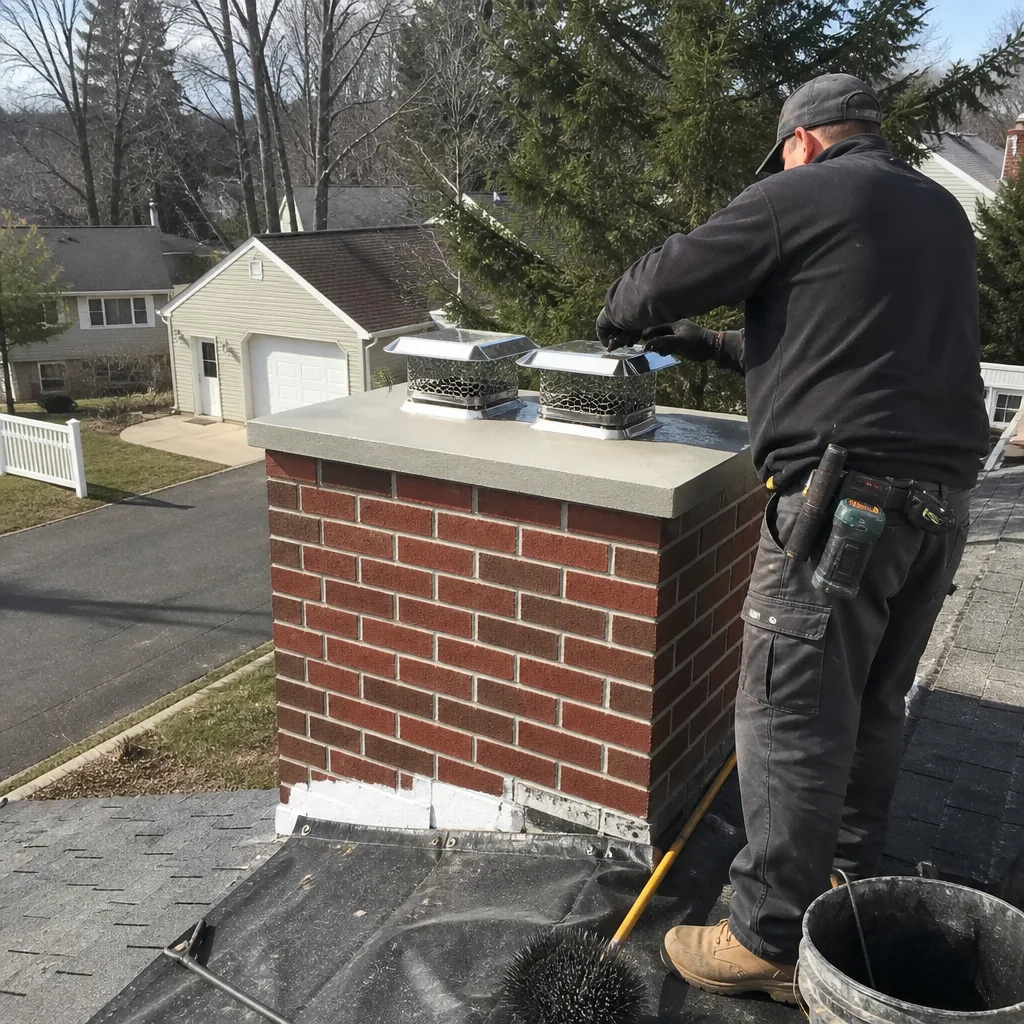 After
AfterGelco Flue Liner Replacement: The Waterbury Owner’s Guide
If you’re looking at a failed or damaged Gelco flue liner in a Waterbury home, here’s the short version: we stock Gelco-compatible replacement liners on our trucks, and a full replacement in the Waterbury area typically runs between $1,800 and $3,200 installed, depending on the liner diameter, chimney height, and how much of the old liner has to come out. Most Gelco liner replacements take us four to six hours, and we can usually get you on the schedule within a week.
Most Waterbury homeowners find out their Gelco liner has failed one of two ways. Either the chimney sweep pulls back cracked or flaking liner sections during the annual cleaning, or the furnace or water heater starts throwing efficiency problems and the tech traces it back to the flue. A Gelco liner that’s delaminating or corroded through can’t just be patched and pushed back into place. Connecticut winters are hard on liners, especially in older Waterbury chimneys where the clay tile has already started absorbing moisture and freezing through January and February.
Which Gelco Models This Applies To
Gelco flue liners come in two main construction types: single-wall and double-wall insulated. The single-wall liners are typically 316L stainless steel, and that’s what we see most often in older Waterbury homes where the liner was installed ten to fifteen years ago. The double-wall insulated liners hold up better against condensation, which matters in Connecticut because cold chimney flues create more acidic condensate than warmer climates ever see.
The compatibility gotcha with Gelco is the sizing. Gelco liners are sold by inside diameter, and the liner must match the appliance BTU output, not just the old liner’s measurement. We have seen plenty of Waterbury chimneys where someone installed a 6-inch Gelco liner on an oil furnace that needed a 7-inch, usually because the 6-inch was what the last guy had on the truck. Undersized liners run hotter, corrode faster, and fail years before they should. When we replace a Gelco liner, we always verify the diameter against the appliance before we quote a number.
As for parts, we are an independent service provider and not affiliated with Gelco, but we install and service their liners alongside DuraFlex and HeatShield. For most Gelco replacements in Waterbury, we recommend a quality stainless replacement that matches or exceeds the original spec. OEM Gelco replacement sections are available for newer liners, but for anything over ten years old, a full replacement with a current-generation liner is usually the smarter money.
Signs Your Gelco Flue Liner Replacement Is Failing
- Flaking or peeling metal inside the flue. When a Gelco liner starts delaminating, you’ll see thin metal flakes in the cleanout or on the smoke shelf. That’s the liner literally shedding layers, and it means corrosion has already compromised the wall.
- Rust stains or moisture at the chimney base. Condensate dripping down the outside of a failed liner shows up as rust-colored staining around the cleanout door or the thimble where the pipe enters the chimney.
- Soot buildup faster than it used to be. A liner with holes or cracks stops drafting properly, which means soot and creosote settle out inside the chimney instead of carrying out the top. If you’re cleaning the flue twice as often as you used to, the liner is usually the reason.
- Exhaust smell in the house when the furnace or water heater runs. That’s flue gas backing up through gaps in the liner and finding its way into the living space. Carbon monoxide is colorless and odorless, but the exhaust smell means the draft is broken and CO could be piggybacking on it.
- The liner looks “wrinkled” or collapsed when inspected. Gelco liners can warp under sustained high heat, especially if the appliance was oversized or the liner was undersized. A wrinkled or partially collapsed liner cannot be straightened and reused.
If you see any of these, the liner has already crossed the line from maintenance to replacement. A camera inspection will show exactly what’s going on. The camera footage and a plain-English verdict come with every inspection we do, no exceptions.
Replacement Cost & What’s Included
In Waterbury, a Gelco flue liner replacement installed by Top Hat Chimney runs between $1,800 and $3,200 for most single-appliance chimneys. The range is driven by liner diameter, chimney height, whether the old liner needs to be cut out or can be pulled in one piece, and whether we’re also replacing the top plate and rain cap while we’re up there.
| What’s included | Typical range |
|---|---|
| Gelco-compatible stainless liner (sized to appliance) | $600-$1,100 |
| Labor (removal, install, connection, test) | $700-$1,200 |
| Top plate, rain cap, connector | $150-$400 |
| Camera inspection before and after | Included |
| Full written report with photos | Included |
You’ll get the number before a single tool comes off the truck, and the number you hear is the number on the invoice. No add-ons, no “discovered damage” upcharges. If we find something during the job that changes the scope, we stop, call you, and show you the camera. The work is covered by our 90-Day Done Right Promise in writing.
DIY or Call Us?
Replacing a flue liner is not a DIY job, and I’ll be the first one to tell you when something doesn’t need doing so you know this is the honest word: a failed Gelco liner is a carbon monoxide and chimney fire risk, and it needs a trained sweep with the right equipment. What you can safely do yourself is check the cleanout door for rust flakes and look for staining around the chimney base. That tells you whether it’s worth a call.
What you cannot safely do is pull a 25-foot stainless liner down a flue from a ladder on a pitched Waterbury roof, connect it to a furnace or water heater, and verify the draft. That’s how homeowners end up in the news, and it’s how chimneys end up worse than they started. If you suspect your Gelco liner is failing, call us at (203) 439-5655. We’ll put a camera in the flue and show you exactly what’s there.
FAQs
A properly sized Gelco flue liner in a Waterbury chimney typically lasts 15 to 20 years, though double-wall insulated liners can go longer and liners on oil furnaces often go shorter because the exhaust is more acidic. The freeze-thaw cycle in Connecticut shortens liner life compared to warmer states. Call (203) 439-5655 and we’ll camera-inspect your liner and tell you how much life it has left.
In almost all cases, no. A failed Gelco liner has corroded through or delaminated, and patching a section of a liner inside a chimney is not something we’ll do because the repair won’t hold and you’ll be paying again in two years. We can sometimes replace just a section on newer liners where the failure is localized. The camera will tell us which situation you have.
A standard single-appliance Gelco liner replacement in Waterbury takes four to six hours from setup to testing the draft. We’ll give you a real arrival window and call if anything slips. The chimney will be ready to use the same day.
We keep Gelco-compatible stainless liners in the common diameters (5.5-inch, 6-inch, 7-inch, and 8-inch) on our trucks, along with top plates, caps, and connectors. For unusual sizes or specific Gelco OEM replacement sections, we order from our supplier and typically have the parts within two to three business days. We also service and stock DuraFlex and HeatShield parts if your chimney has a mixed system.
Written by Wendell Pike, Owner, Top Hat Chimney at Top Hat Chimney, serving Waterbury and nearby areas.