
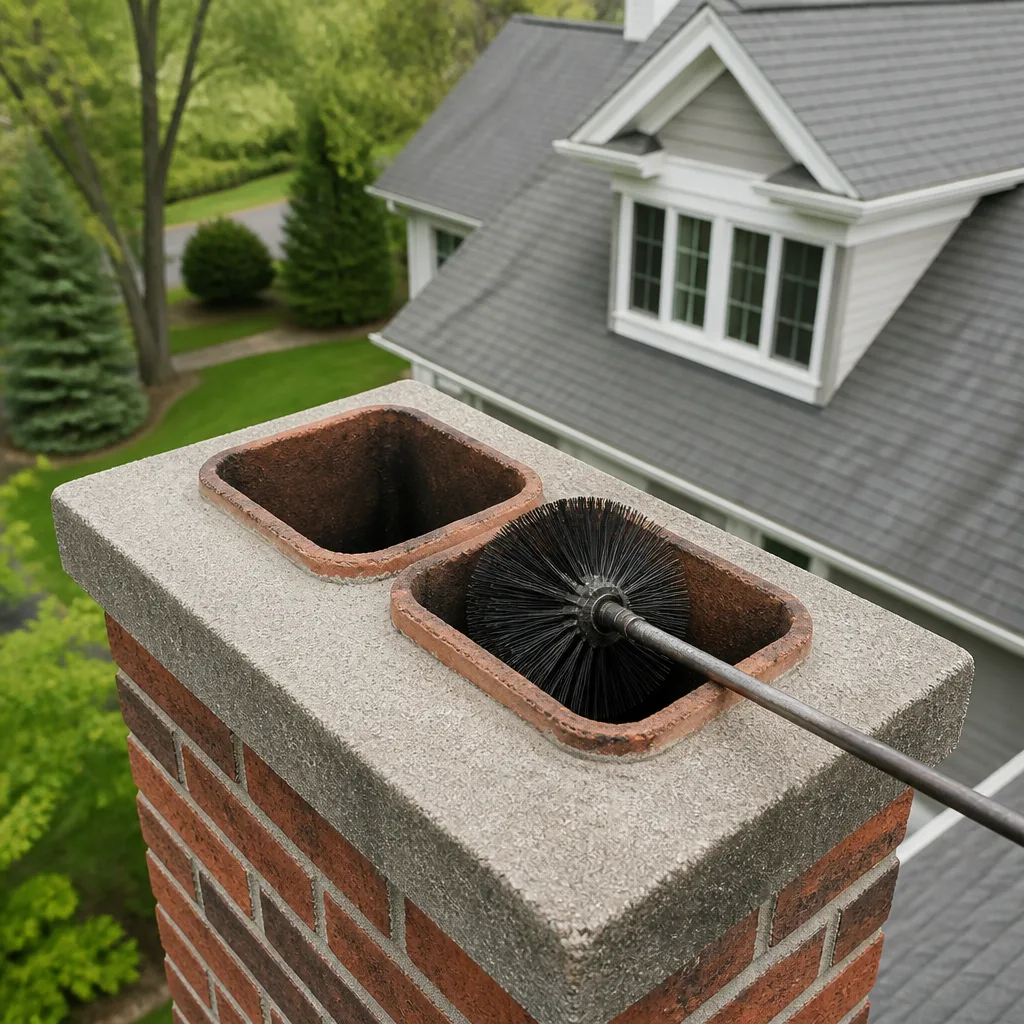
Level 1 sweep and inspection to the NFPA 211 annual standard - flue, crown, cap, and flashing checked and photographed
Chimney sweep logs do not sweep chimneys. They loosen some creosote - which then falls where a brush and vacuum still have to collect it.
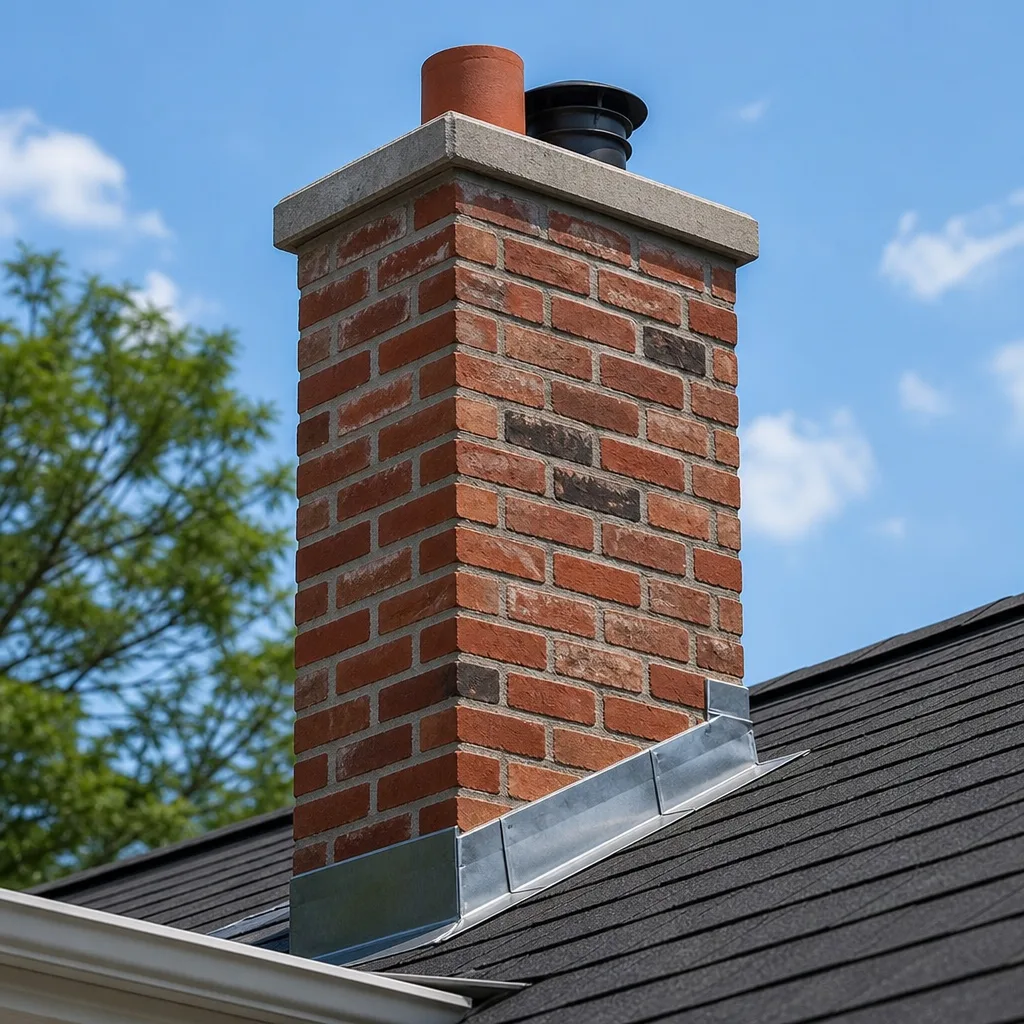
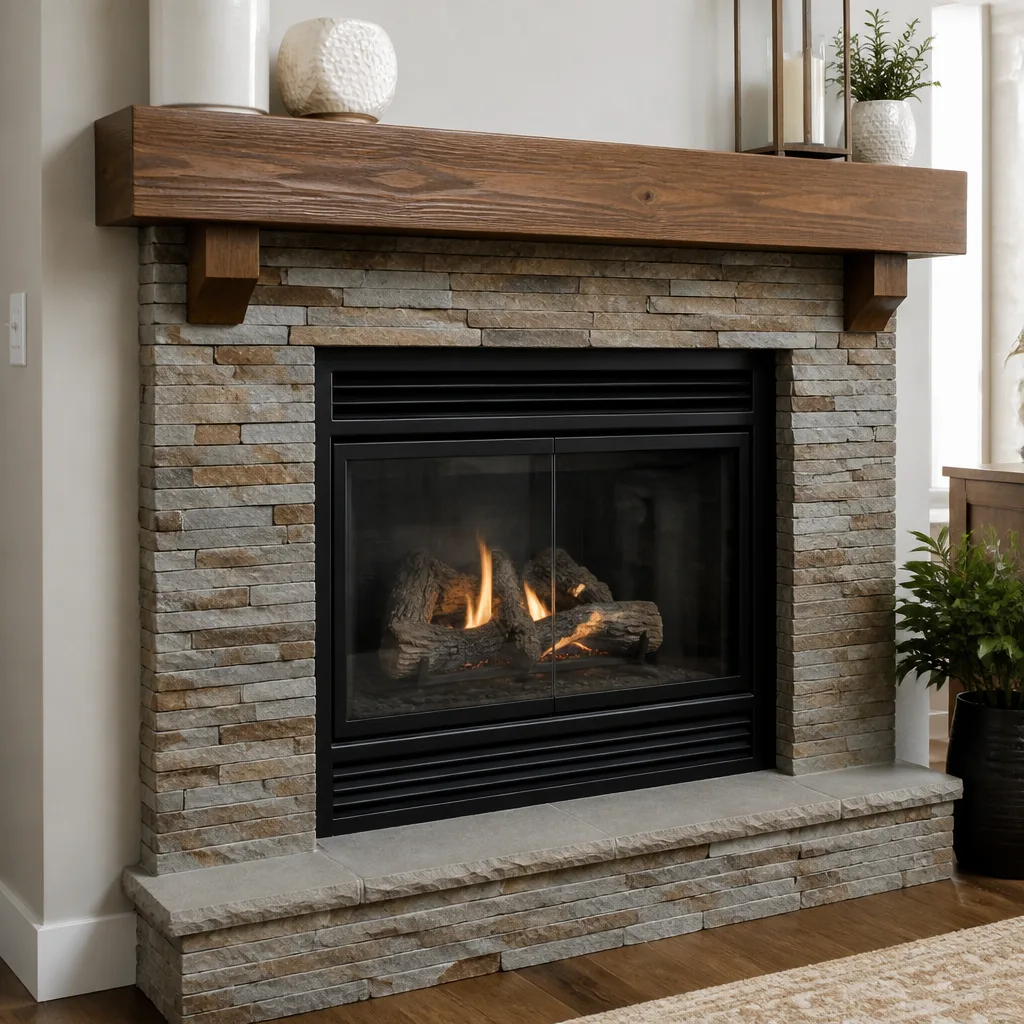
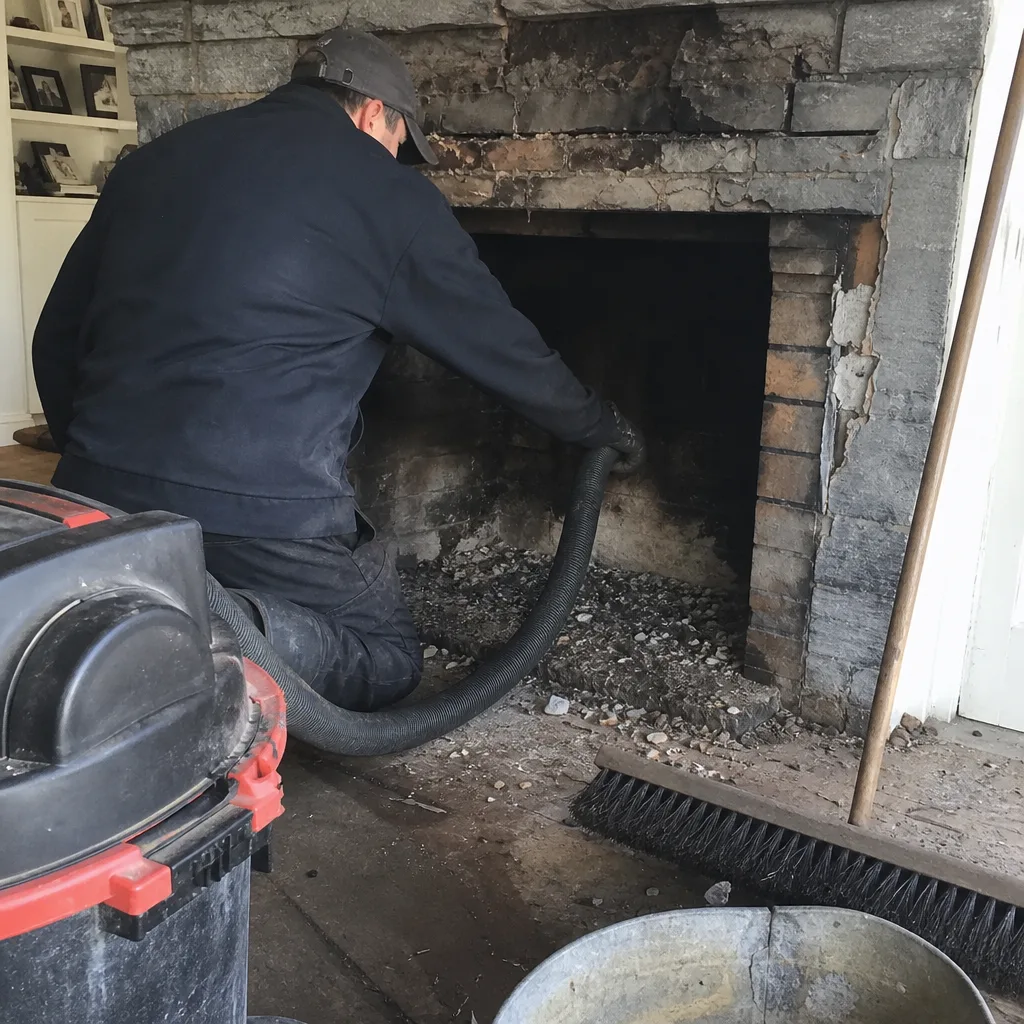 Before
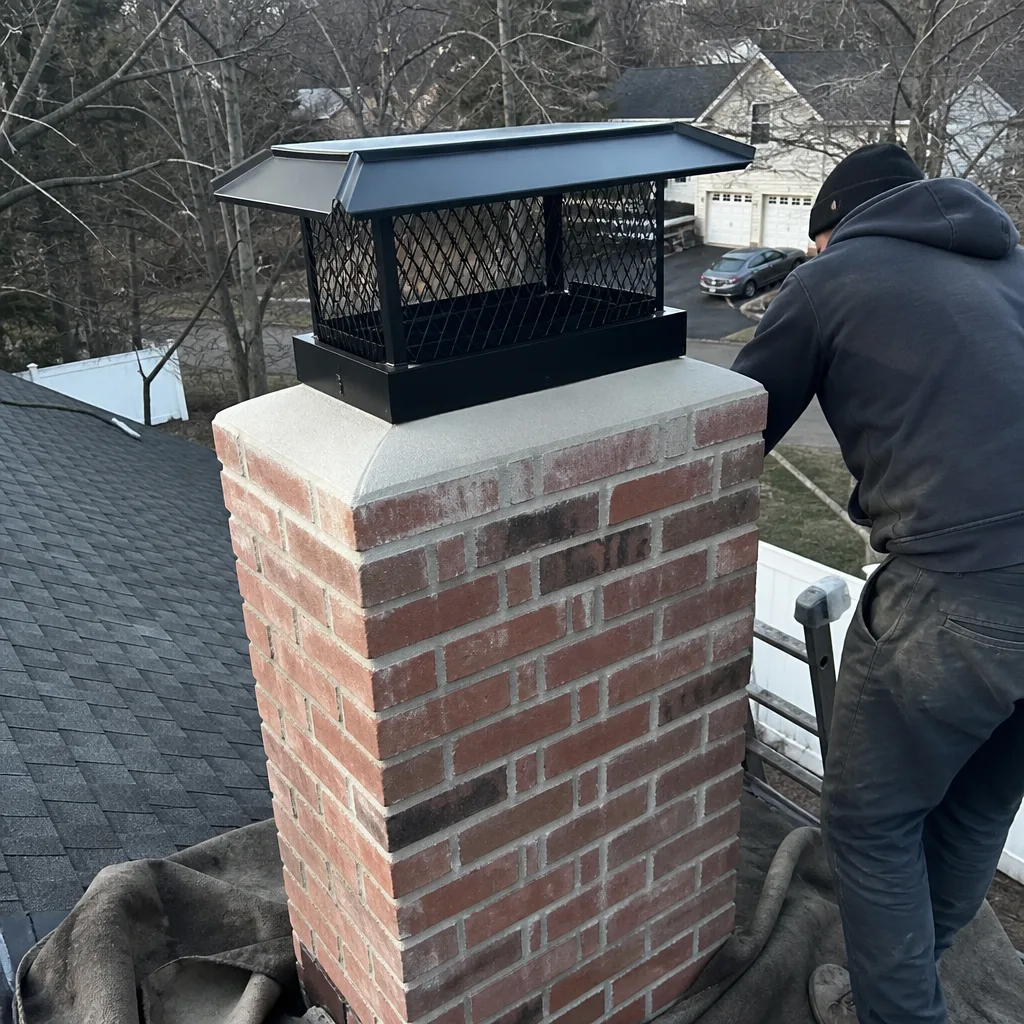 After
After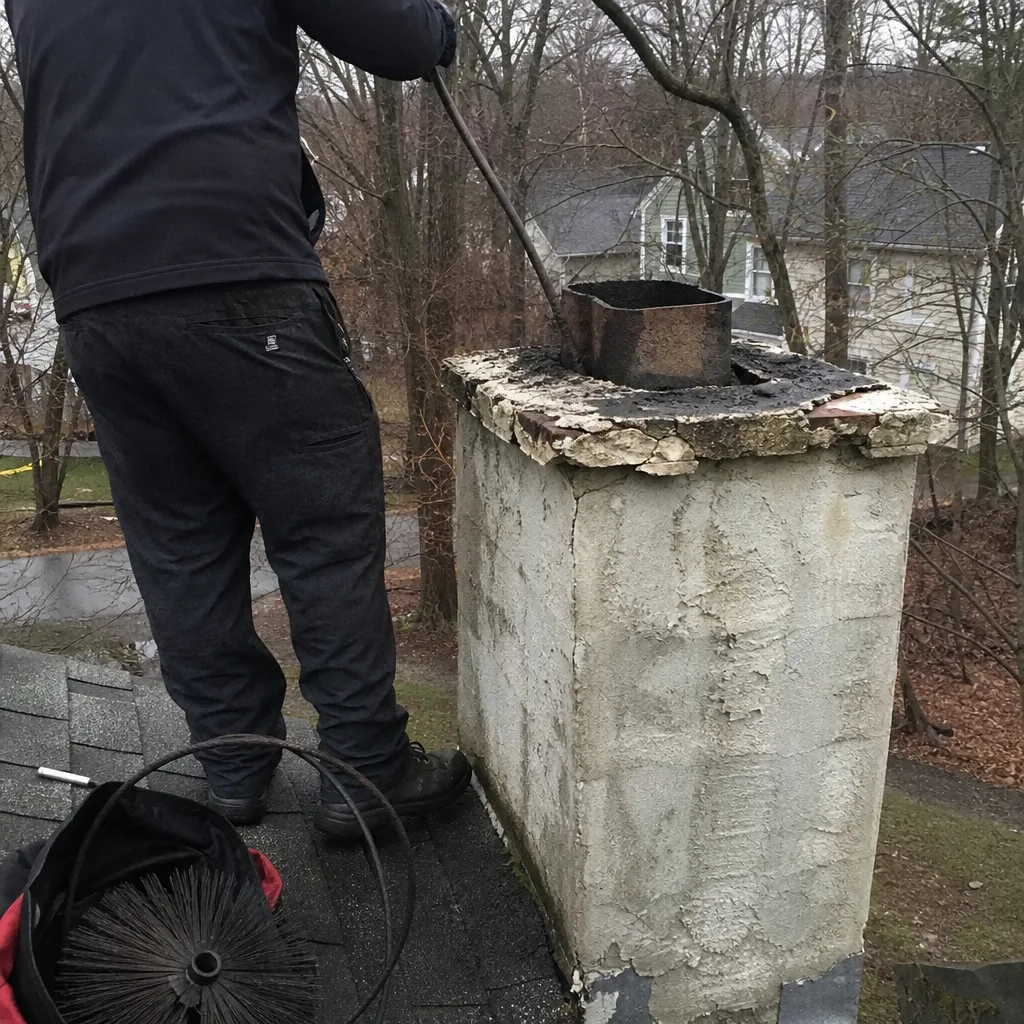 Before
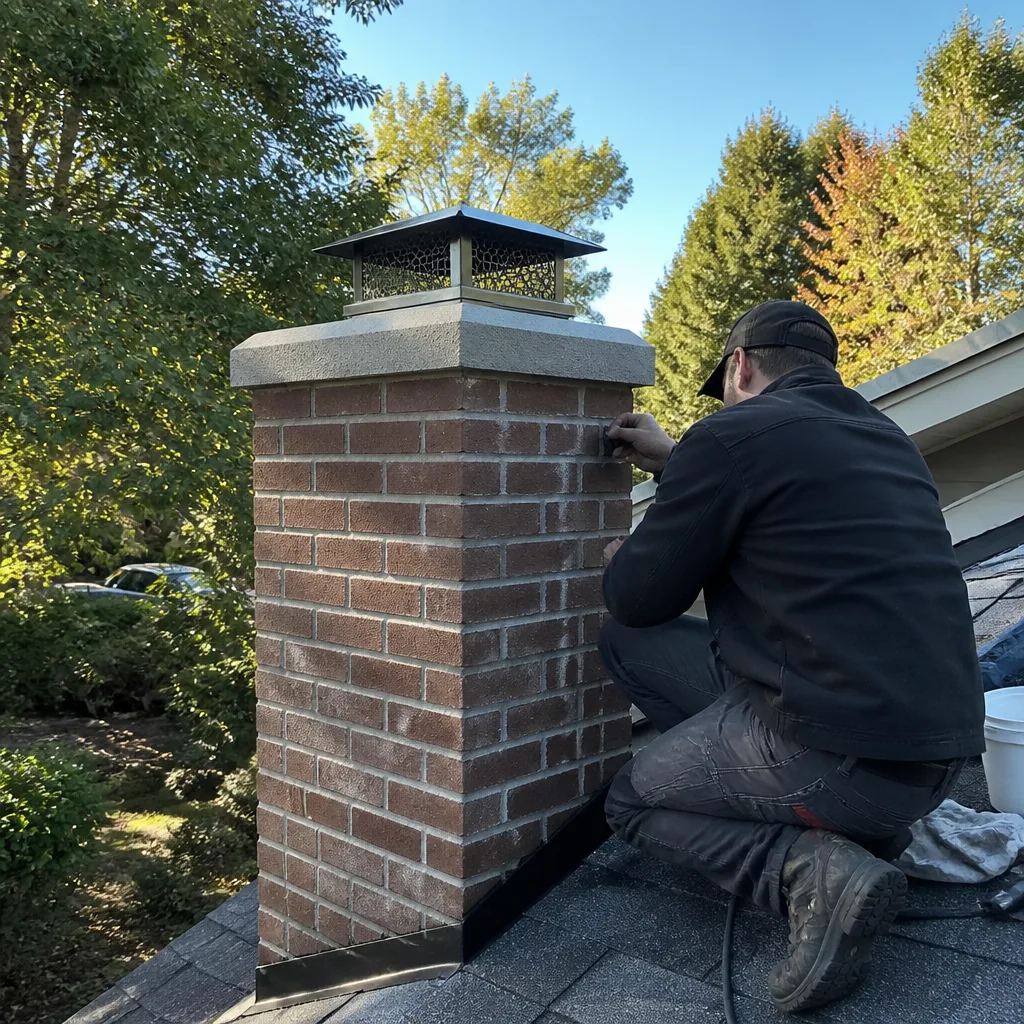 After
After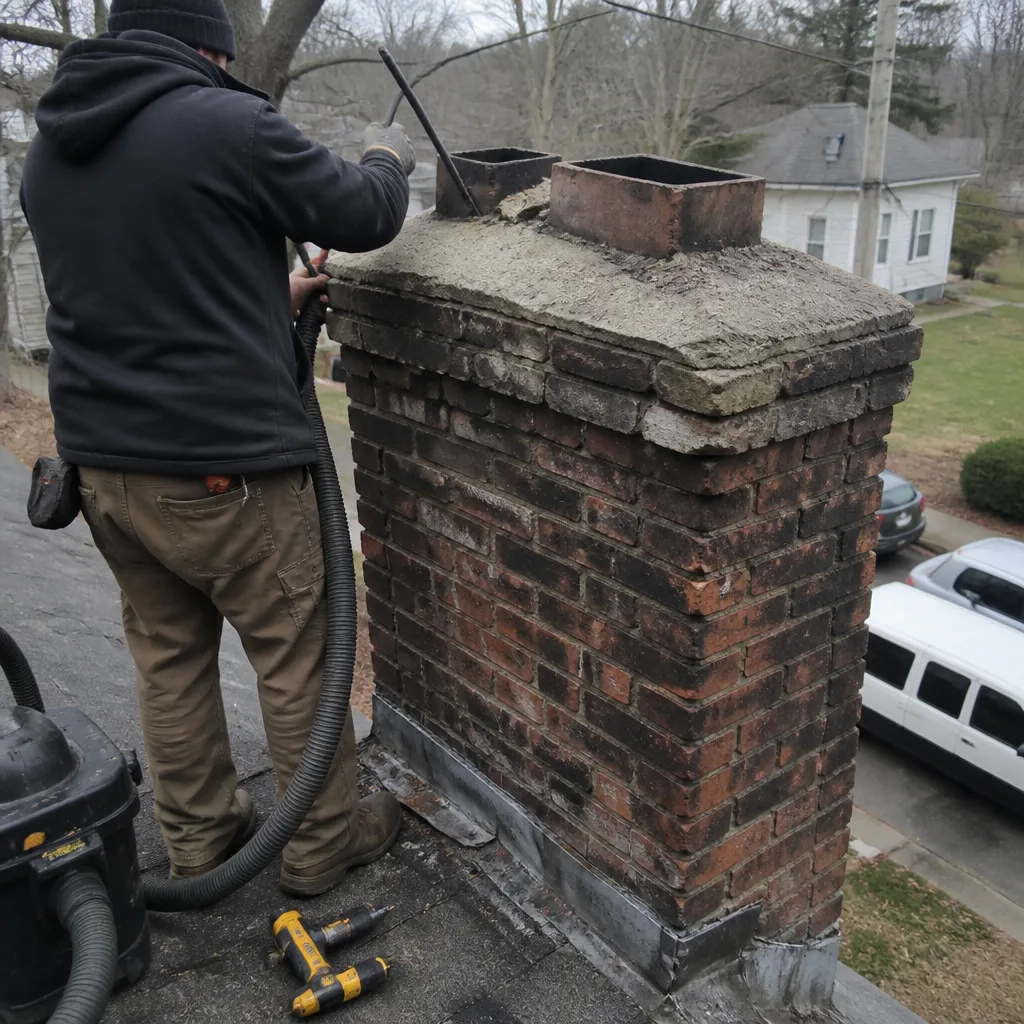 Before
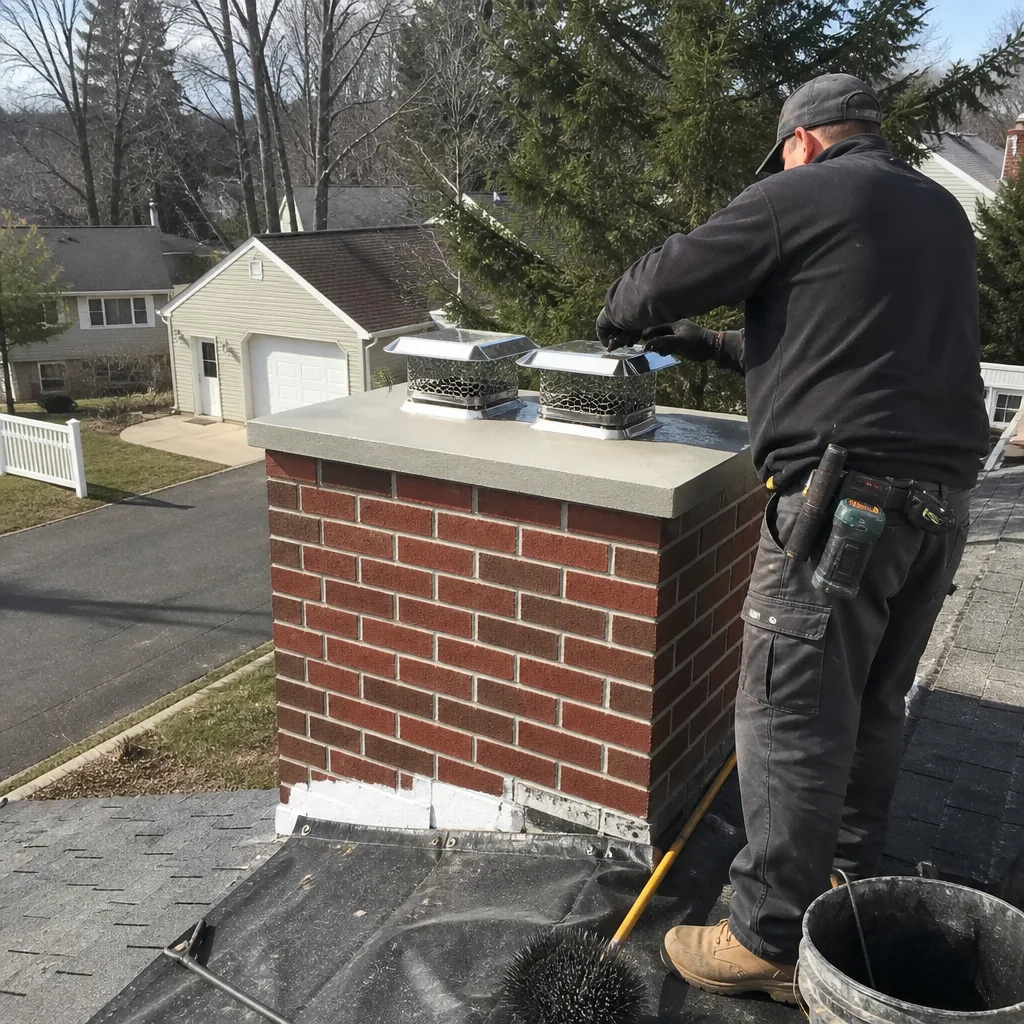 After
AfterFast, Reliable Chimney Cleaning & Sweep Across Bethlehem
A standard chimney sweep in Bethlehem runs between $189 and $319 for a single flue with a Level 1 inspection included. If you heat with wood full-time, expect to need it twice a season, not once. We are Top Hat Chimney, and Wendell Pike has been running crews in the Litchfield Hills since 1999. Call (203) 439-5655 and a live person answers. That person may well be Wendell himself.
Bethlehem is not a suburb. It’s a rural Litchfield County town where most homes burn wood or oil because there is no natural gas line running down Main Street South. That changes how chimneys behave here, and it changes what a sweep needs to look for. More on that below.
Why Top Hat Chimney Is Bethlehem’s Preferred Chimney Cleaning & Sweep Company
Ask anyone on your street. We have been working Bethlehem chimneys long enough that the truck is a familiar sight on Bellamy Lane, Kasson Road, and Route 61. Wendell puts his name and license number on every job, and he runs into you again at the Bethlehem Fair or the post office. That changes how carefully the work gets done.
Every call is answered by a live person, twenty-four hours a day. No voicemail box, no call center. Upfront pricing before a single tool comes off the truck, and the number you hear on the phone is the number on the invoice. No trip charge inside the county, and 10% off always for seniors and veterans. Every job carries the 90-Day Done Right Promise in writing: if it’s not right, one call brings Wendell back.
This page is for Bethlehem homeowners specifically. If you want the broader picture of what we do, see our Chimney Cleaning & Sweep page. But if you live in Bethlehem and you heat with wood, what follows is what actually matters.
Our Chimney Cleaning & Sweep Services in Bethlehem
Level 1 Inspection
A Level 1 inspection is the standard once-a-year check when nothing has changed about how you use the chimney. In Bethlehem, we treat it as the minimum for wood-burning homes because the creosote loads here run higher than in towns where heat comes from a thermostat on the wall. We check the accessible portions of the flue, the firebox, the damper, and the visible exterior. Takes about an hour alongside a sweep.

Level 2 Inspection
This is the one that matters for Bethlehem’s old farmhouses. A Level 2 inspection includes a camera run through the entire flue, from firebox to cap. If you have a retrofitted stainless liner inside a pre-1900 masonry chimney, this is the only way to see what is hiding in the gap between the liner and the original flue wall. Camera footage and a plain-English verdict, every time, no exceptions.

Creosote Removal
Creosote builds in stages. First-degree is a brush job. Third-degree is a glaze, a hard tar-like coating that a brush cannot move. In Bethlehem, where three cords of oak a season is common, glazed creosote forms faster than homeowners expect. We remove it with rotary heads and chemical treatments when it has hardened. Catching it at first-degree costs a standard sweep. Letting it glaze means real money and real fire risk.

Soot Removal
Soot is the soft, black powder from incomplete combustion. It is less dangerous than creosote but it still blocks draft and coats your damper assembly. In Bethlehem’s older center-chimney colonials, soot tends to settle in the smoke chamber and around the damper pivot, which makes the damper stiff and eventually frozen. We clean it out as part of every sweep.

What happens when you call
- 1
A real person answersNo phone trees - you reach a local pro.
- 2
You get an upfront price rangeHonest numbers before anyone is dispatched.
- 3
A background-checked tech heads outLicensed & insured, dispatched right away.
- 4
You approve before work beginsNothing starts until you say go.
Trusted Brands We Service in Bethlehem
We install and service liners and components from DuraFlex and HeatShield, along with caps and crowns from Gelco and Olympia Chimney. That is not brand-name dropping for the sake of it. When a Bethlehem farmhouse needs a new 6-inch stainless liner inside a 12×16 original flue, we want a liner rated for that exact configuration, and we keep the common parts on the truck so we are not driving back and forth to a supply house. If you have a rusted cap or a failed liner from another brand, we will give you an honest read on whether it can be repaired or needs replacement. Free second opinion on any written estimate.
Common Chimney Cleaning & Sweep Problems We See in Bethlehem Homes
- Glazed creosote in the annular gap. Bethlehem’s pre-1900 farmhouses were built with oversized flues, often 12×16 inches, because they were sized for coal or large open fireplaces. When a modern 6-inch stove liner goes in, there is a 3 to 5 inch gap all around. Liner-only sweeps leave that gap untouched. Glazed creosote builds in there, unseen, and it has caused house fires in town.
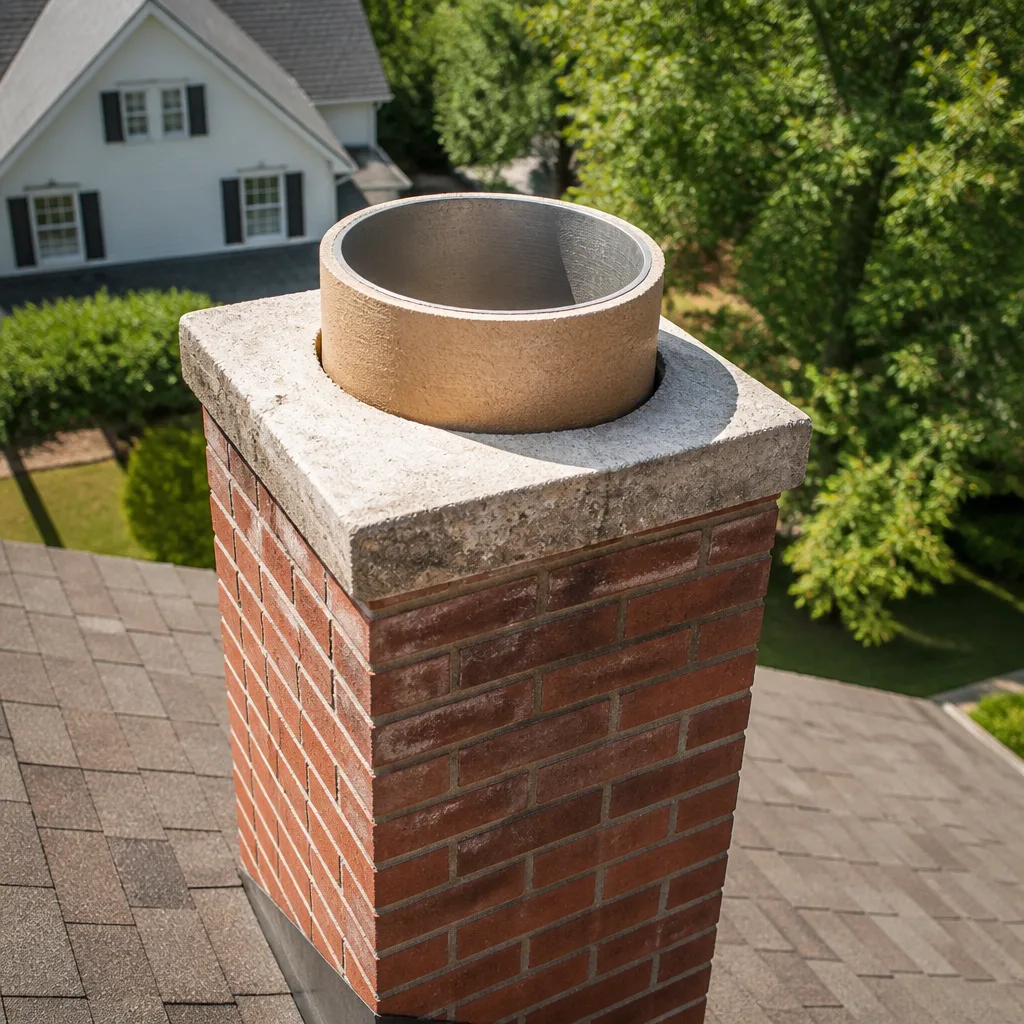
- Freeze-thaw spalling on masonry crowns. Bethlehem sits high in the Litchfield Hills. Winters are colder and snowier than down in Waterbury or the coast. Water gets into hairline cracks in the crown, freezes, expands, and pops brick and mortar loose. That debris falls into the firebox and smoke chamber, blocking draft and scoring the liner walls.
- Mid-season creosote hardening. A wood burner going through three or more cords a year cannot make it from October to March on one sweep. First-degree creosote hardens into tar glaze by January in many Bethlehem homes. A January mid-season sweep is the cheapest insurance you can buy against a chimney fire.
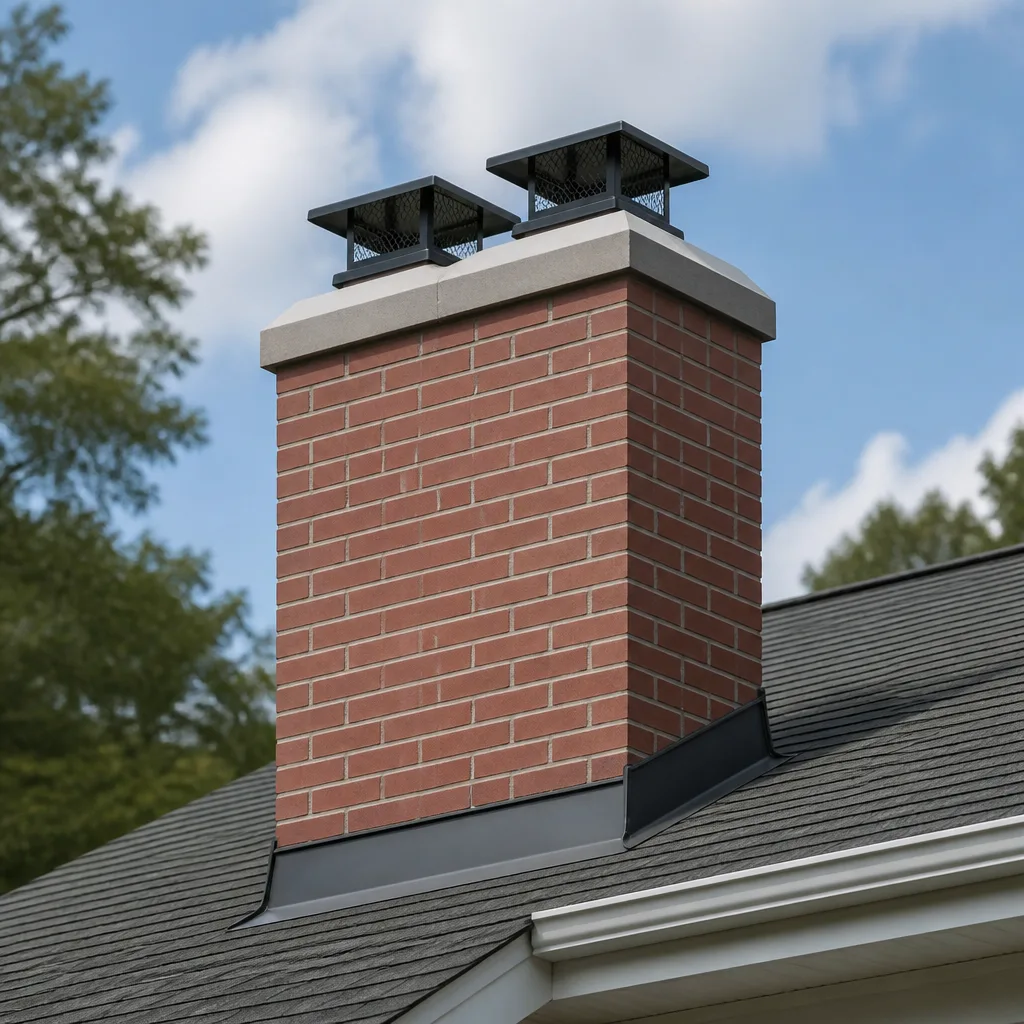
- Rusted galvanized caps. Exposed chimneys on Bethlehem’s ridgelines take weather from every direction. Galvanized caps rust through in a few seasons, letting rain into the flue. Wet creosote glazes faster, and water rusts damper assemblies solid. A stainless cap is a small upgrade that prevents a larger bill.
The Hidden Creosote Trap in Bethlehem’s Old Farmhouses
This is the information-gain section. If you only read one part of this page, read this.
Bethlehem has no natural gas infrastructure. Most of the town heats with oil, propane, or wood. The housing stock runs heavily to pre-1900 New England farmhouses and center-chimney colonials. Those chimneys were built when people heated with coal or burned large open fires, which meant big flues. A 12×16-inch clay flue was normal. Then somebody retrofitted a modern wood stove with a 6-inch stainless liner to make the setup efficient and code-compliant.
The liner is fine. The problem is the space around it. That 12×16 flue does not disappear when the liner goes in. The liner occupies the center, leaving a 3 to 5 inch annular gap all around. Creosote vapor condenses on the cold clay walls of the original flue. Season after season, it hardens into a glaze. A standard sweep brushes the inside of the liner. The brush never touches the gap. The technician sees a clean 6-inch liner, tells you everything looks good, and drives away. Meanwhile, there is enough glazed creosote outside the liner to fuel a chimney fire.
We pulled up to a 1790s center-chimney farmhouse on Bellamy Lane where the homeowner burned three cords of oak last winter. The original 12×16 clay flue held a DuraFlex 6-inch liner for a wood stove insert, and when our tech dropped a camera we found third-degree creosote glazing the entire gap between liner and flue wall. We ran a full Level 2 inspection, removed the liner, chipped the tar-glaze out of the oversized flue, and reinstalled with a new stainless liner. The chimney now drafts clean and the hidden fire hazard is gone.
That homeowner was one season away from a serious problem. The camera footage told the story. This is why we push Level 2 inspections on Bethlehem homes with retrofitted liners, and why a liner-only sweep is not enough. Your flue doesn’t care how the fire looks. It cares how it breathes.
Pricing for Chimney Cleaning & Sweep in Bethlehem, CT
A standard sweep with a Level 1 inspection in Bethlehem runs $189 to $319 for a single flue, depending on creosote condition and whether the last sweep was this decade. A Level 2 camera inspection adds $99 to $149. Glazed creosote removal starts around $350 and climbs depending on how much has to be chipped out and whether the liner must be pulled. A full liner replacement in an oversized farmhouse flue, including removing the old liner and dealing with the annular gap, typically falls between $2,200 and $4,500 in this market.
What drives cost in Bethlehem specifically is the age of the chimney and the liner configuration. A 1980s ranch with a straight 8-inch clay flue is a simple job. A 1790s farmhouse with a retrofitted liner takes longer, and the work inside the annular gap is labor-intensive. You will know the price before we start, and it will not change at the door. Call (203) 439-5655 for an exact quote. Estimates are free, and there is no trip charge inside the county.
We Also Serve Cities Near Bethlehem
If you have family or a rental property nearby, we cover Watertown, Woodbury, Thomaston, and Oakville as well. The same crews, same pricing, same 90-Day Done Right Promise. Call (203) 439-5655 and we will tell you straight whether the drive extends your quote at all. It usually doesn’t.
Serving Bethlehem, CT - Our Local Coverage Area
We’re based in the Bethlehem area and know this community well. Use the map below to see our service coverage - if you’re nearby, we can almost certainly help.
FAQs - Chimney Cleaning & Sweep in Bethlehem
Because creosote accumulation is driven by flue temperature and burn duration, not just wood quality. Weekend-only burning means the chimney cools and reheats repeatedly, which causes creosote vapor to condense on the flue walls faster than steady daily burning. In Bethlehem’s cold winters, that condensation happens on a cold clay flue every time you start a fire. A season of weekend fires is plenty to build first-degree creosote, and in an oversized farmhouse flue with a retrofitted liner, some of that creosote lands where a brush never reaches. The safest rule here is once a year, burn or no burn. Call (203) 439-5655 to book a sweep.
No. A standard wire brush is sized for the liner, so it cleans the inside of the 6-inch liner and never touches the 3 to 5 inch gap outside it. Glazed creosote is hardened tar. Brushes do not remove it; rotary chains and chemical treatments do. Removing glazed creosote from the annular gap requires pulling the liner, chipping or chemical-lifting the glaze, and reinstalling the liner. That is a Level 2 inspection and a full removal job, not a standard sweep. If your Bethlehem home has a retrofitted liner and you have never had a camera inspection, get one. Call (203) 439-5655 and we will bring the camera.
Twice per heating season for most full-time wood burners in Bethlehem. The longer, colder burn season means houses here go through three or more cords a year, and that produces enough creosote by January to justify a mid-season sweep. Once in October before the burn season, once in January. Homes that burn only weekends can usually get away with once a year. Homes with oil or propane and an occasional fireplace fire can often go every other year, but a Level 1 inspection should still happen annually. The camera tells the truth, and it is cheaper than a chimney fire. Call (203) 439-5655 for a free estimate.
First, stop using the fireplace until someone looks at it. Spalling means water has been getting into the masonry and freezing. The freeze-thaw cycle in Bethlehem’s Litchfield Hills winters is aggressive, and pieces falling into the firebox means the crown or the flue wall above is actively deteriorating. Those fragments can block the damper or wedge in the smoke chamber and restrict draft. Second, get a Level 2 inspection with a camera to see how far the damage extends. The crown may need rebuilding or sealing with HeatShield, but do not guess. Spalled brick in the firebox is a symptom, and the cause is above the roofline. Call (203) 439-5655 and we will get up on the roof and show you the footage.
If the cap is actually stainless steel, surface rust means it is a low-grade stainless or it was not actually stainless at all. Real 304 stainless does not rust through in one or two winters. A rusted cap in Bethlehem means water is getting into the flue, and that accelerates creosote glazing and rusts the damper assembly. It is not okay for one more season. A replacement cap is one of the least expensive repairs we do, and it prevents a much larger liner or damper bill later. We will tell you honestly whether the cap can be cleaned and recoated or if it needs replacing. Call (203) 439-5655 and Wendell will give you a straight answer.
Contact Top Hat Chimney in Bethlehem, CT
If you heat with wood in Bethlehem and you cannot remember the last time anyone looked at the chimney with a camera, call us. Wendell Pike has been in more chimneys than he can count since 1999, and he will tell you when the job does not need doing. Free estimates, upfront pricing, live person on the phone around the clock. Call (203) 439-5655 today.
Written by Wendell Pike, Owner at Top Hat Chimney.