
Level 1 sweep and inspection to the NFPA 211 annual standard - flue, crown, cap, and flashing checked and photographed
Chimney sweep logs do not sweep chimneys. They loosen some creosote - which then falls where a brush and vacuum still have to collect it.
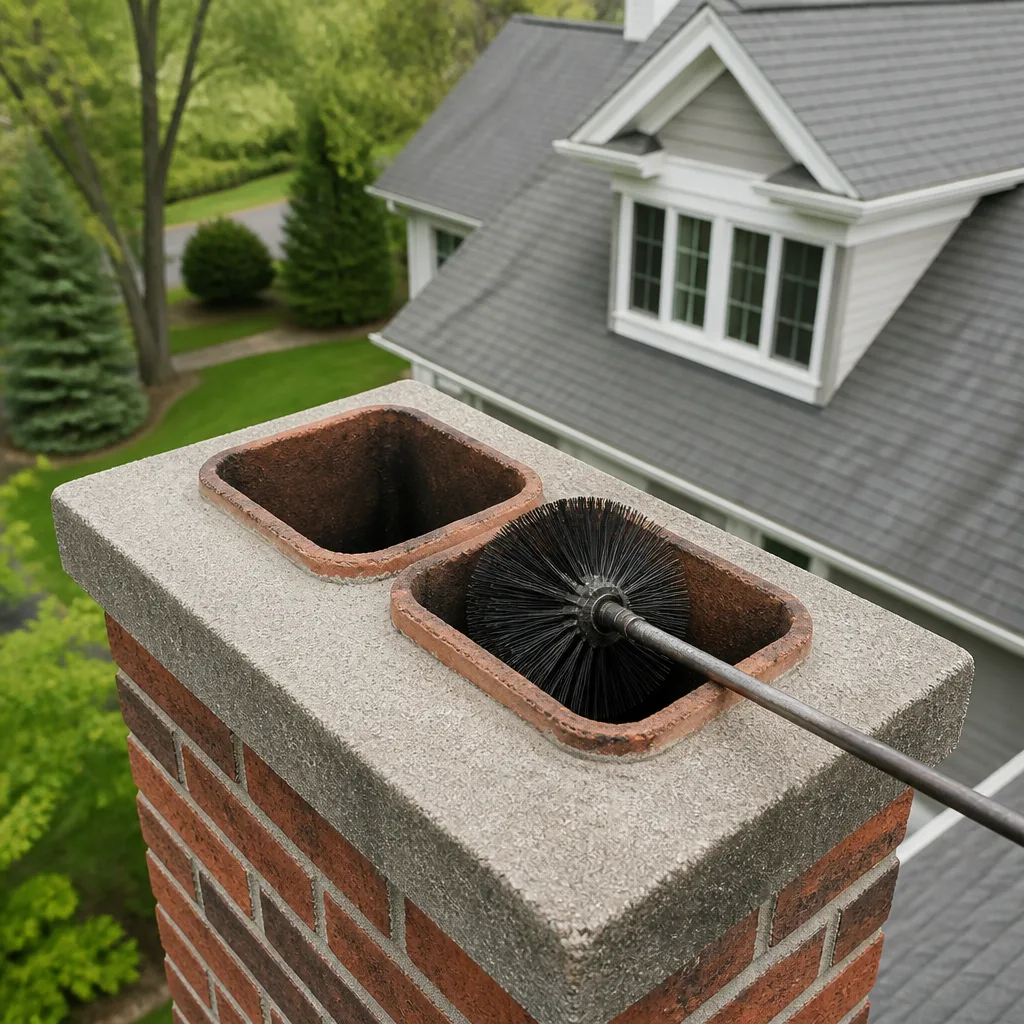
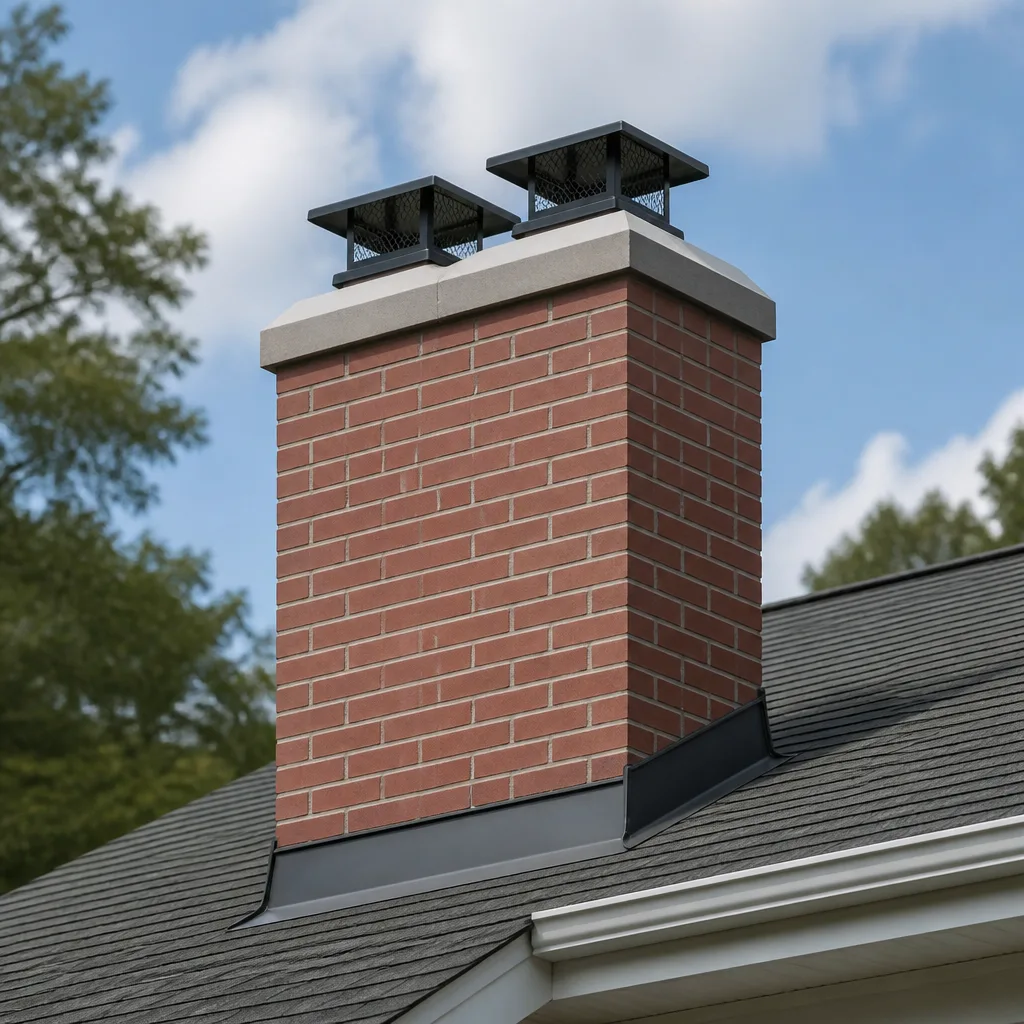
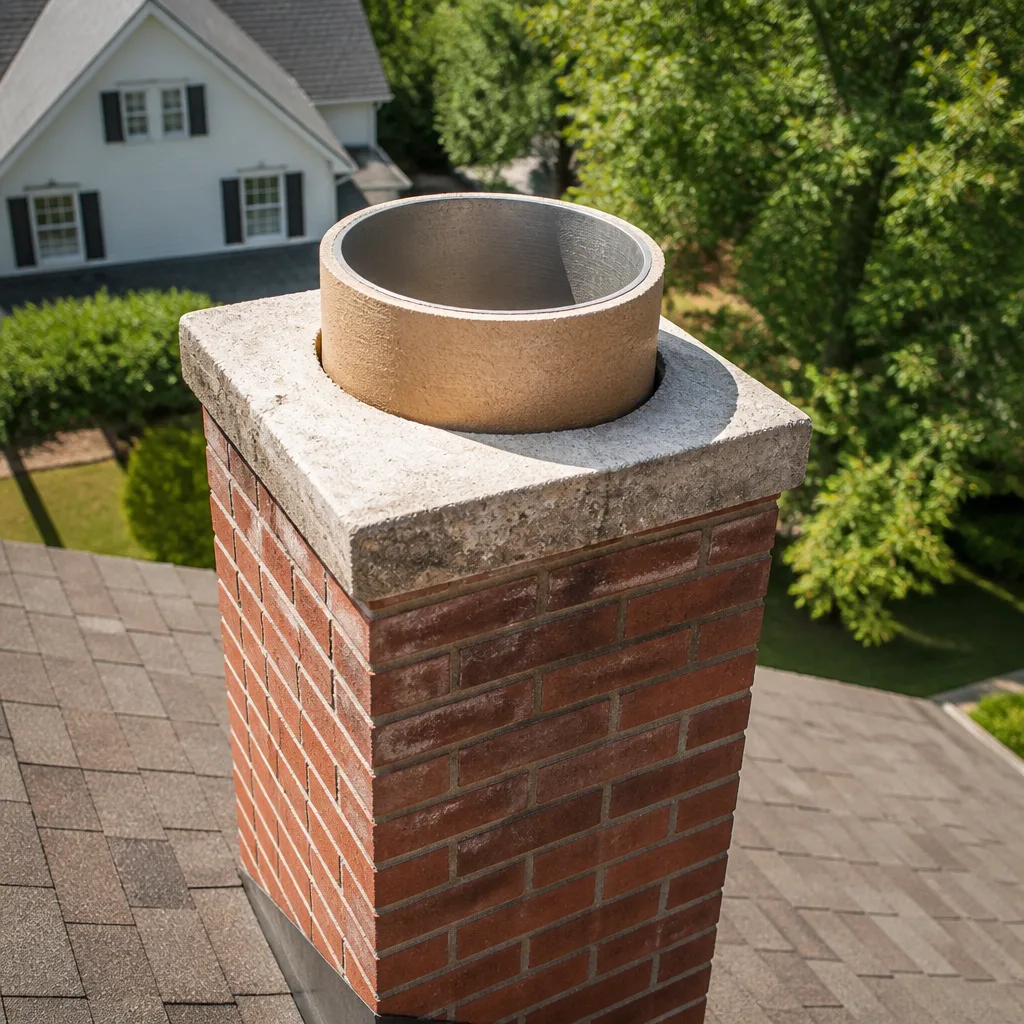
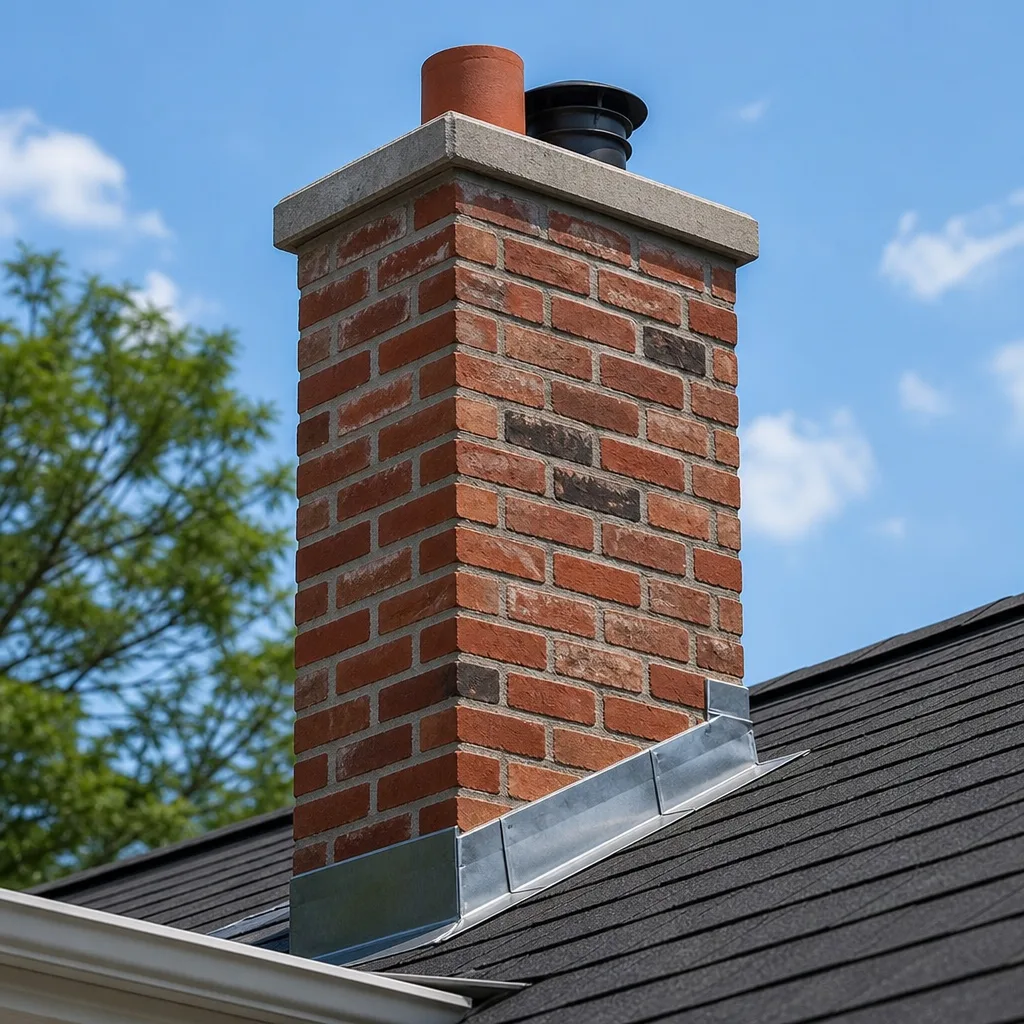
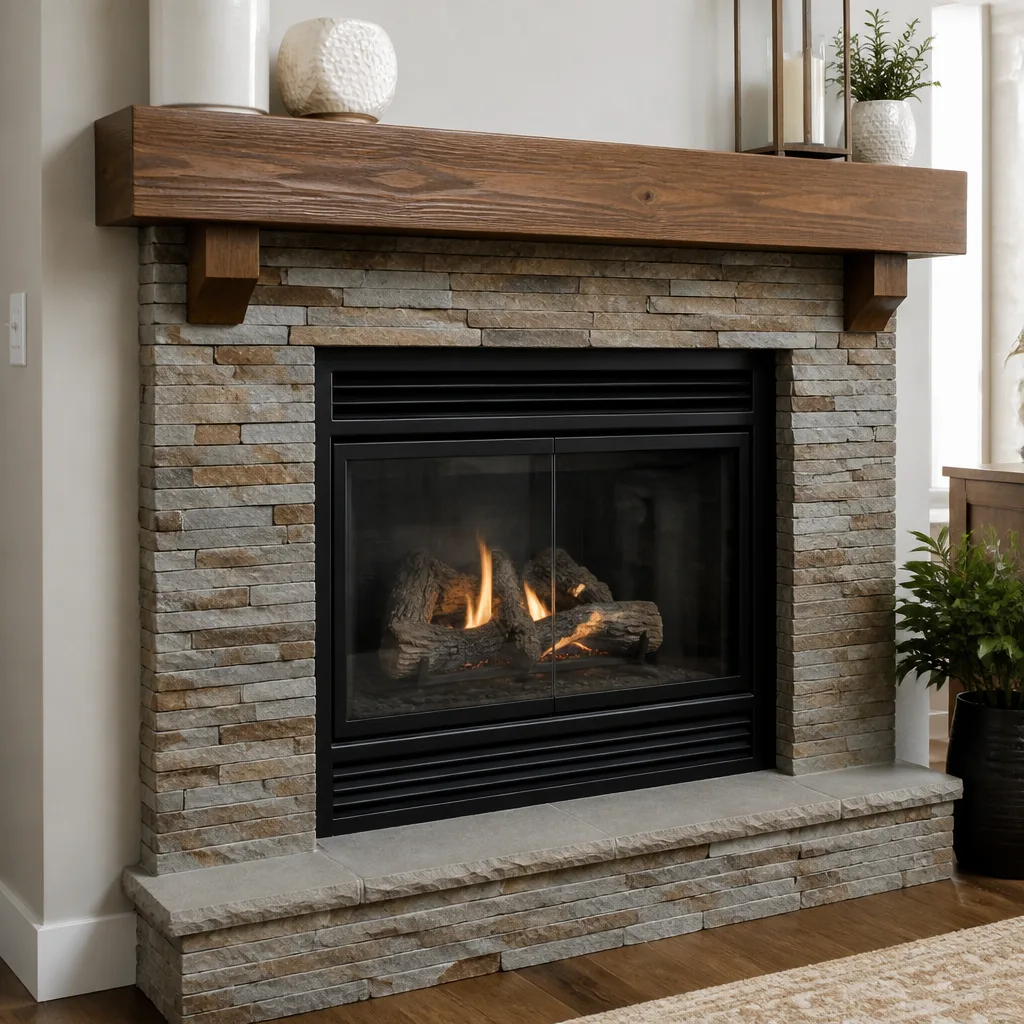
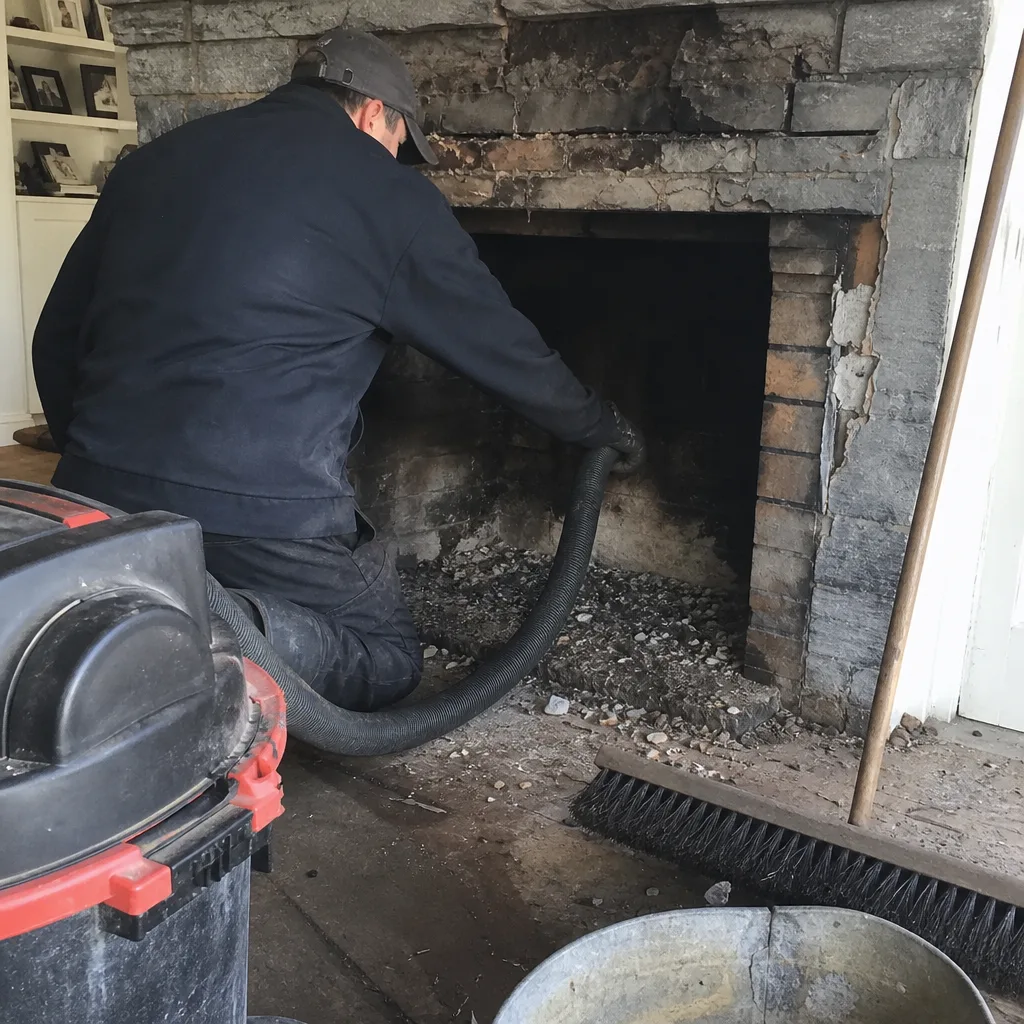 Before
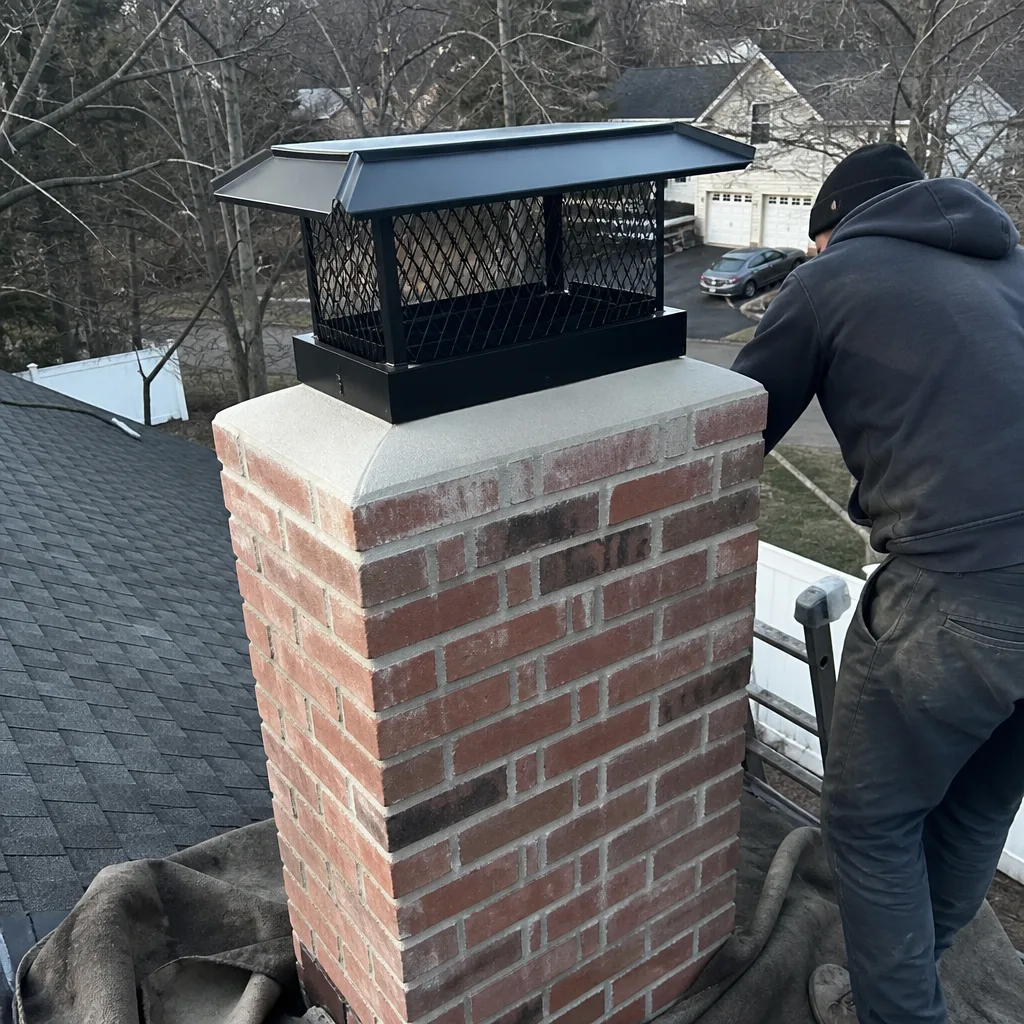 After
After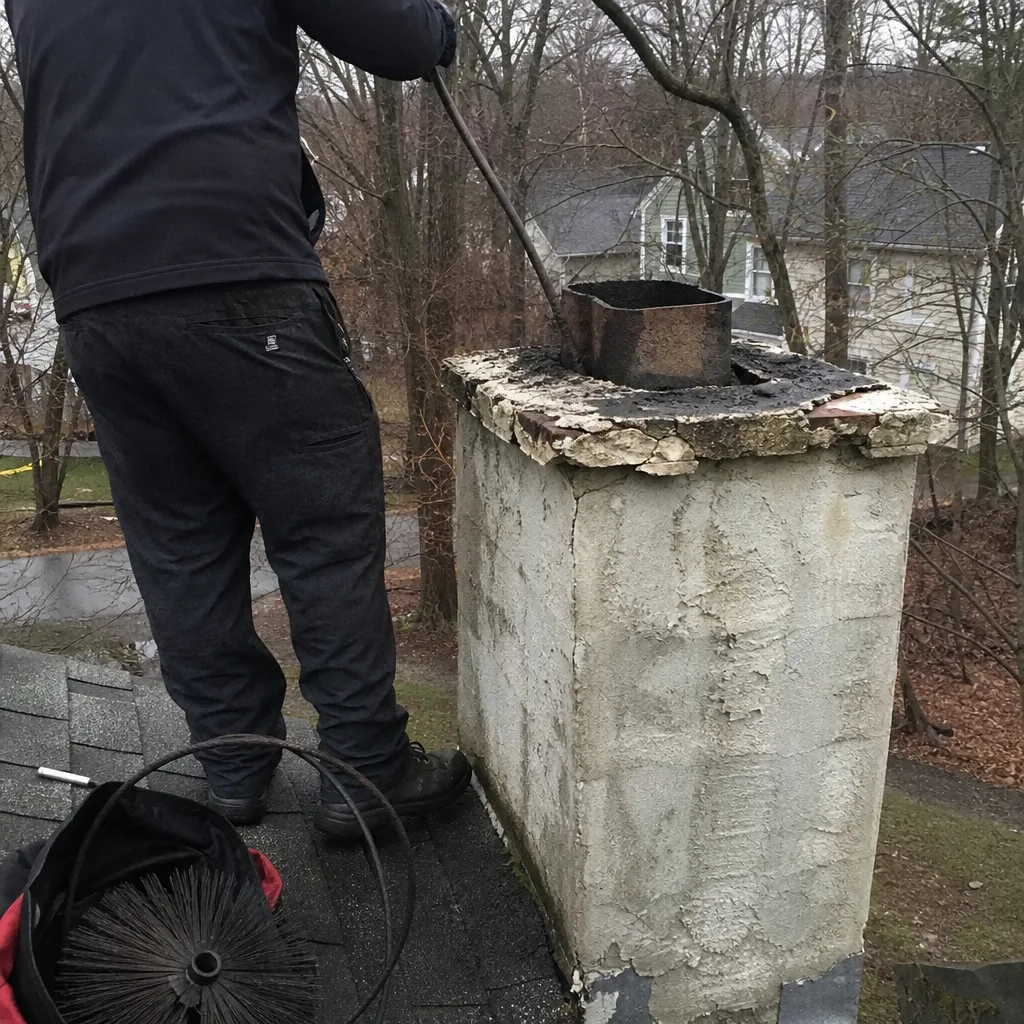 Before
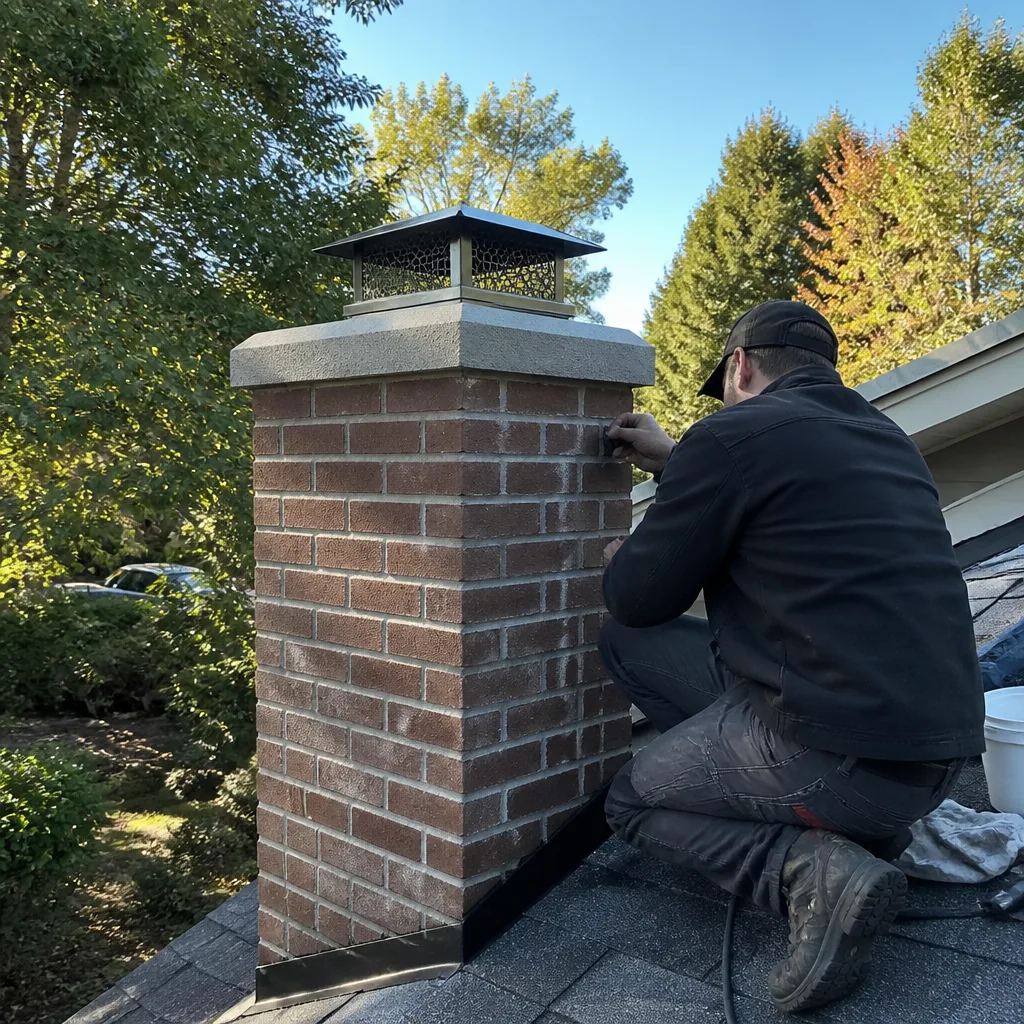 After
After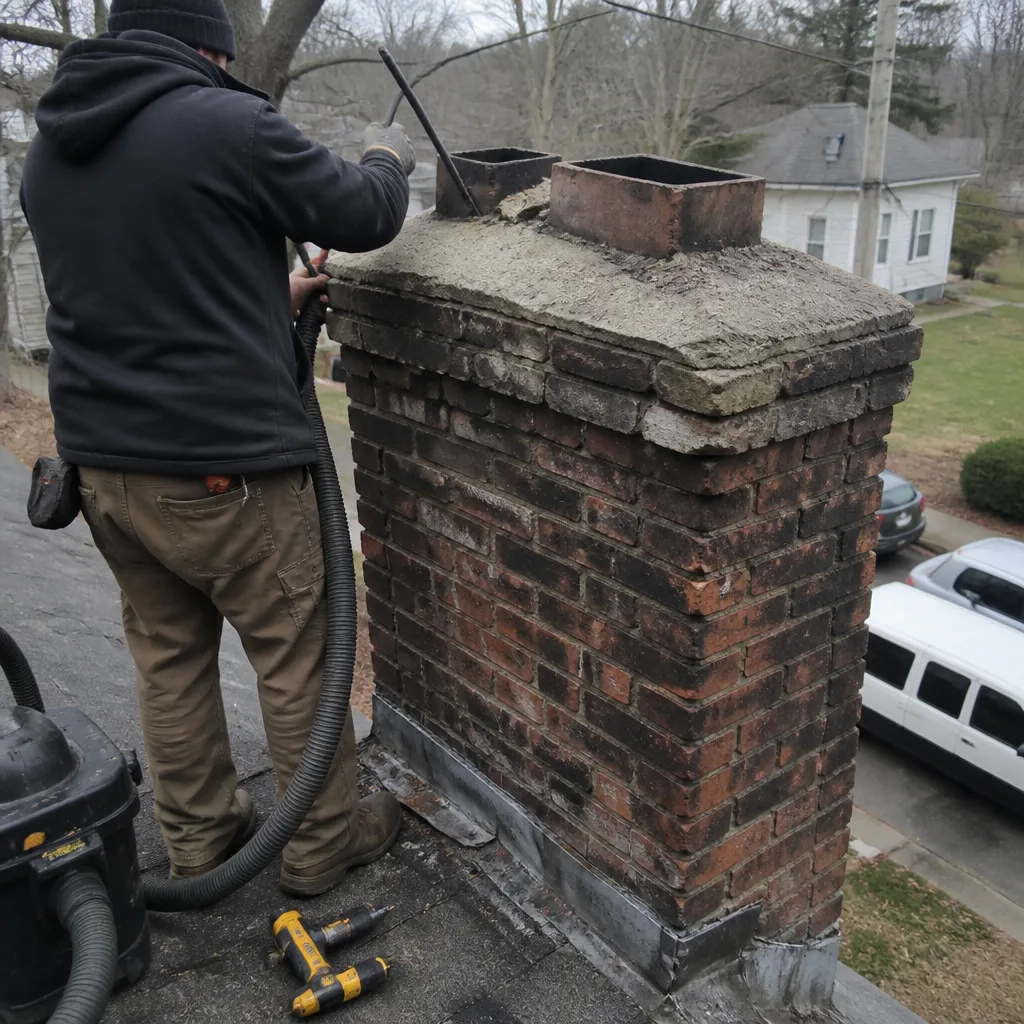 Before
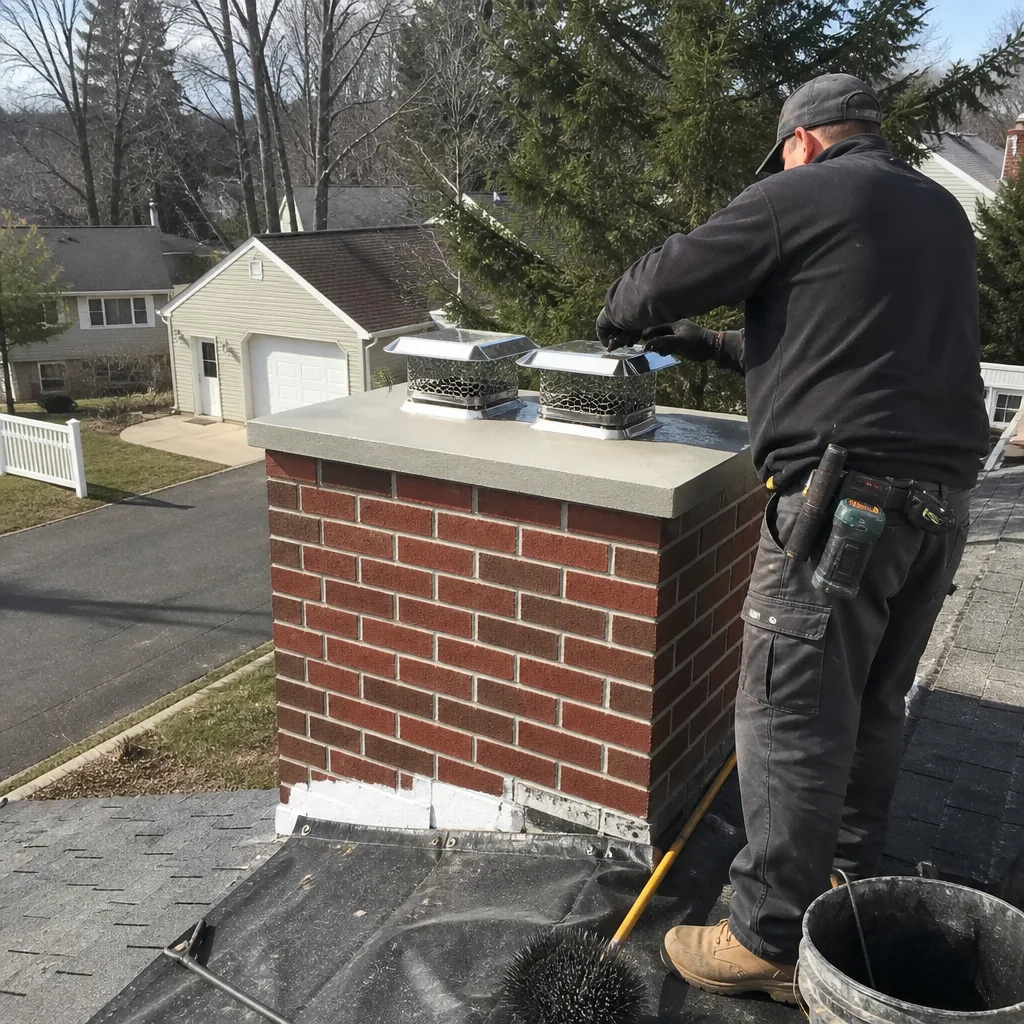 After
AfterCreosote Removal in Waterbury, CT
Creosote removal in Waterbury typically runs between $150 and $600 depending on how much has built up and which stage it’s reached. Most homeowners who burn regularly and keep up with Chimney Cleaning & Sweep services fall on the lower end. Neglect it for a few seasons – or burn a lot of unseasoned wood – and you’re looking at a much harder job and a real fire risk.
We’re Top Hat Chimney, and Wendell Pike has been pulling creosote out of Waterbury flues since 1999. If you’ve already had a national chain quote you one number on the phone and hand you a different invoice at the door, you know why people call us instead. Upfront pricing, no surprises, and the 90-Day Done Right Promise stamped on every job. If something’s off, one call brings us back – no charge, no argument. You can reach us directly at (203) 439-5655 any hour of the day or night; a live person picks up every time, and it may well be Wendell himself.
Creosote removal falls under our broader Chimney Cleaning & Sweep in Waterbury service, but it deserves its own conversation because it isn’t the same job as a routine sweep. Standard annual cleaning handles the light, powdery first-degree deposits that a stiff brush knocks loose in minutes. Creosote removal is what happens when those deposits have been allowed to harden into a glazed, tar-like coating that won’t budge with brushes alone – and that burns at temperatures capable of igniting your framing, not just your firebox.
When You Need Creosote Removal
Some of these signs you’ll notice yourself. Others only show up on a camera inspection. Either way, if any of the following apply, it’s time to call before the next fire.
- You smell smoke in rooms away from the fireplace. A strong, oily smoke odor upstairs or in an adjacent room often means creosote has built up to the point that your flue’s draft is partially blocked. In older Waterbury colonials with multiple-story flue runs, that buildup concentrates fast.
- Your fires burn sluggish or produce excessive smoke back into the room. When creosote narrows the flue’s interior diameter, combustion gases have nowhere to go but backward. It’s not a damper problem – it’s a buildup problem.
- You’ve been burning green or unseasoned wood. Waterbury winters are long, and it’s tempting to burn whatever’s available. Unseasoned wood produces more smoke, more moisture, and dramatically more creosote per cord than kiln-dried or well-seasoned hardwood. One winter of green wood can put you in second-degree territory.
- It’s been more than two years since your last sweep. Once a year is the standard. Chimneys that sit unused through an off-season can also accumulate moisture damage that bakes residue into a harder layer the following burn season.
- You’ve had a chimney fire – even a small one. Many homeowners don’t realize they’ve had a chimney fire. A sudden loud roaring or cracking sound, a strong smell, or a damper that rattled are all signs. Any chimney fire – large or small – demands a full inspection and creosote assessment before the flue is used again.
- A camera inspection shows a dark, glazed coating on the flue walls. Wendell runs a camera every time. The footage tells the story plainly – and you’ll see it with him right there on the monitor, not read about it on a form sheet three days later.
Our Creosote Removal Process
The exact approach depends on which degree of creosote we’re dealing with. First-degree is flaky and dry – a brush job. Second-degree has hardened into a crunchy, brittle coating. Third-degree is a dense glaze, sometimes almost solid, and it requires chemical treatment before mechanical removal is even possible. We’ll tell you exactly what you have before we start, and we’ll show you.
-
Visual and camera inspection of the full flue system.
Before anything else, Wendell or one of the crew runs a camera from the firebox to the crown. We’re looking at the degree of buildup, any cracks or spalling in the liner, and the condition of your damper and smoke chamber. You watch the footage with us. No guessing, no interpreting a report someone else wrote. -
Drop cloths, HEPA containment, and workspace prep.
The firebox area and surrounding flooring get covered before a single tool comes off the truck. We use industrial HEPA vacuum systems throughout the job. Waterbury homes – especially the older Cape Cods and Victorians in the Bucks Hill and Bunker Hill neighborhoods – have enough existing dust history without us adding to it. -
Mechanical removal with rotary and brush systems.
For first- and most second-degree buildup, we use heavy-duty rotary cleaning equipment alongside traditional chimney brushes sized to your specific flue tile or liner. This is what a proper sweep looks like – not a shop vac and a soft brush from the hardware store. -
Chemical treatment for advanced (third-degree) creosote.
Glazed, third-degree creosote won’t yield to brushes alone. We apply a professional-grade creosote modifier that penetrates and changes the physical structure of the glaze, making it brittle enough to be removed mechanically. This step sometimes requires a follow-up visit after the chemical has had time to work – we’ll tell you up front if that’s what your situation calls for. -
Smoke chamber and firebox cleaning.
Creosote doesn’t only collect in the vertical flue. The smoke chamber above the damper is often the heaviest accumulation point, especially in older masonry fireplaces common in Waterbury’s mid-century homes. We clean this area thoroughly – it’s where most chimney fires actually start. -
Post-removal camera pass and plain-English verdict.
We run the camera again after cleaning. You see the before and after on the same monitor. If there’s liner damage, cracking, or anything that needs a follow-up repair, we tell you what it is and what it will cost – before we ask you to decide anything. If the job is done and the flue is clean, we say so and hand you a written record of the work.
A quick safety note: third-degree creosote removal involves chemicals and rotary equipment inside a confined, soot-filled flue system. This is not a homeowner project. The exposure hazards – carcinogenic particles, toxic off-gassing from disturbed glazed creosote – are serious. If you’ve seen online guides suggesting you can handle this yourself with a pouch product and a standard fireplace brush, please don’t. Get a trained sweep in there first for a Level 2 Inspection and let the camera tell you what you’re actually dealing with.
Creosote Removal Pricing in Waterbury
Creosote removal in Waterbury costs more than a basic annual sweep because it’s a longer, harder job – often requiring specialized equipment, chemical treatments, or multiple visits for advanced buildup. Here’s an honest breakdown of what affects the number.
| Situation | Typical Range |
|---|---|
| First-degree buildup (light, flaky – routine sweep suffices) | $150 – $250 |
| Second-degree buildup (hardened, brittle coating) | $250 – $400 |
| Third-degree glaze (chemical treatment required) | $400 – $600+ |
| Follow-up visit after chemical treatment (if needed) | $100 – $200 |
| Camera inspection (included with every job) | $0 additional |
A few things that move the number up or down in Waterbury specifically:
- Flue height and accessibility. A short, single-story liner is a faster job than a three-story colonial with a tall exterior chimney. Taller flue systems common in Waterbury’s older neighborhoods on Woodtick Road and Hamilton Avenue add time and sometimes equipment.
- Liner type. Clay tile, stainless steel, and cast-in-place liners all require slightly different tools and approaches. We’ll know what you have from the camera pass before we start.
- How long it’s been neglected. This is the honest one. The homeowners who come to us after a national outfit skipped the real cleaning and just ran a brush through it quickly – sometimes twice in a row – end up with compound buildup that takes considerably more time to address.
- Smoke chamber condition. Heavy creosote in the smoke chamber alone can add to the total. It’s worth it – that’s the area most likely to ignite.
We give you the number before the work starts, always. If you have a competing written estimate from another company, bring it. We offer a free second opinion – and if your quote seems off, we’ll tell you exactly why, whether that helps us or not.
If the total repair work comes to more than $200, you get $40 off automatically. Seniors and veterans always receive 10% off. No trip charge for calls within our service county.
Call (203) 439-5655 for a free estimate. You’ll get a straight answer on what it will cost before anyone drives to your address.
FAQs – Creosote Removal in Waterbury
How dangerous is creosote buildup in a Waterbury home?
Third-degree creosote is a legitimate fire hazard – it ignites at temperatures that routine fires can produce, and it burns intensely enough to crack clay flue tiles and ignite nearby wood framing. First- and second-degree buildup is manageable with timely Fireplace Cleaning but becomes dangerous when left through multiple burn seasons. Waterbury winters are cold enough that most households burn frequently from October through March – that’s five months of accumulation every year. Annual sweeps catch it before it progresses. Call (203) 439-5655 if you haven’t had one recently.
How do I know what degree of creosote I have?
A Level 1 Inspection with a camera is the only reliable way to know. You can sometimes spot heavy buildup through the damper with a flashlight, but the degree of hardening and the condition of the flue walls up above the smoke chamber aren’t visible to the naked eye from below. When Wendell runs the camera, you see exactly what he sees, in real time, on a monitor. First-degree looks gray and powdery. Second-degree is a darker, crunchier layer. Third-degree is a glossy, tar-like glaze – sometimes black, sometimes brownish – and it reflects light differently than the surrounding tile. If you’re not sure what you have, the camera answers it in about ten minutes.
Can I use a creosote remover log instead of having a sweep come out?
Creosote remover logs – the kind you burn in your fireplace – can treat light, first-degree deposits and are sometimes useful for maintenance between annual sweeps. They do not remove second- or third-degree creosote, and they are not a substitute for mechanical cleaning. The chemicals in the log modify the deposits, but someone still needs to brush and vacuum out what’s loosened. If you’ve relied on these products for several seasons in place of a real sweep, there’s a reasonable chance you have more buildup than you realize. We’ll show you on the camera with no pressure either way.
How long does creosote removal take?
A first-degree job on a standard single-fireplace Waterbury home typically takes two to three hours from setup to cleanup. Second-degree runs three to four hours. Third-degree, when it requires chemical treatment, may take four or more hours on the first visit – and if we apply a chemical modifier, we’ll schedule a follow-up sweep once it’s had time to work, which can mean a second visit of one to two hours. We’ll tell you the honest timeline estimate when we quote the job – not after you’ve already cleared your whole afternoon. Call (203) 439-5655 and we can usually give you a ballpark over the phone once you describe what you know about your setup.
Why Waterbury Homeowners Call Top Hat Chimney
There are bigger names that operate in Waterbury. Some of them have cleaner websites. What they don’t have is Wendell Pike, who has been crawling into flues in this area since 1999 and who puts his name – and his license number – on every single job. When something’s not right after we leave, the 90-Day Done Right Promise means one call brings us back. Not a customer service number in another state. Us, back at your door, making it right.
The crew who shows up at your house in Waterbury is background-checked, arrives in uniform, and calls if the window shifts. You get a real arrival time, not a four-hour guessing game. And the price we quote you on the phone is the price on the invoice – not a starting number that grows once we’re already inside your home.
We work with quality materials when repairs are part of the picture – products like HeatShield for smoke chamber restoration and Gelco chimney caps that hold up to Connecticut winters without rusting out in three years. We’ll only recommend what the camera shows is actually needed. That’s not a policy – it’s just how Wendell has always worked.
Our broader home base covers everything from inspections and sweeps to full liner replacements – creosote removal is one piece of a much larger service picture, and we’re equipped to handle whatever the camera turns up.
Key Takeaways
- Creosote removal in Waterbury ranges from about $150 for light buildup to $600 or more for advanced third-degree glaze.
- Annual sweeps catch creosote early – before it hardens into something that requires chemical treatment.
- Third-degree creosote is a real fire risk. Don’t burn again until it’s addressed.
- Every job includes a camera inspection and a plain-English report. No forms mailed to you later.
- The 90-Day Done Right Promise means if the work isn’t right, one call brings us back at no charge.
- Seniors and veterans receive 10% off. Any repair over $200 takes $40 off automatically.
- Call (203) 439-5655 any time – a live person answers every call.
Schedule Your Creosote Removal in Waterbury Today
If you’re not sure how much has built up, or you just know it’s been too long, the honest next step is a camera inspection and a straight answer. Wendell and his crew serve Waterbury and the surrounding communities. Call (203) 439-5655 for a free estimate – upfront pricing before any work starts, no trip charge inside our service county, and a crew that shows up when they say they will. If we find something that needs attention, we’ll show it to you on the monitor and quote the fix before we touch a thing. If the flue is clean, we’ll tell you that too.
Written by Wendell Pike, Owner at Top Hat Chimney, serving Waterbury since 1999.