
Last updated September 10, 2026
Level 1 sweep and inspection to the NFPA 211 annual standard - flue, crown, cap, and flashing checked and photographed
Chimney sweep logs do not sweep chimneys. They loosen some creosote - which then falls where a brush and vacuum still have to collect it.
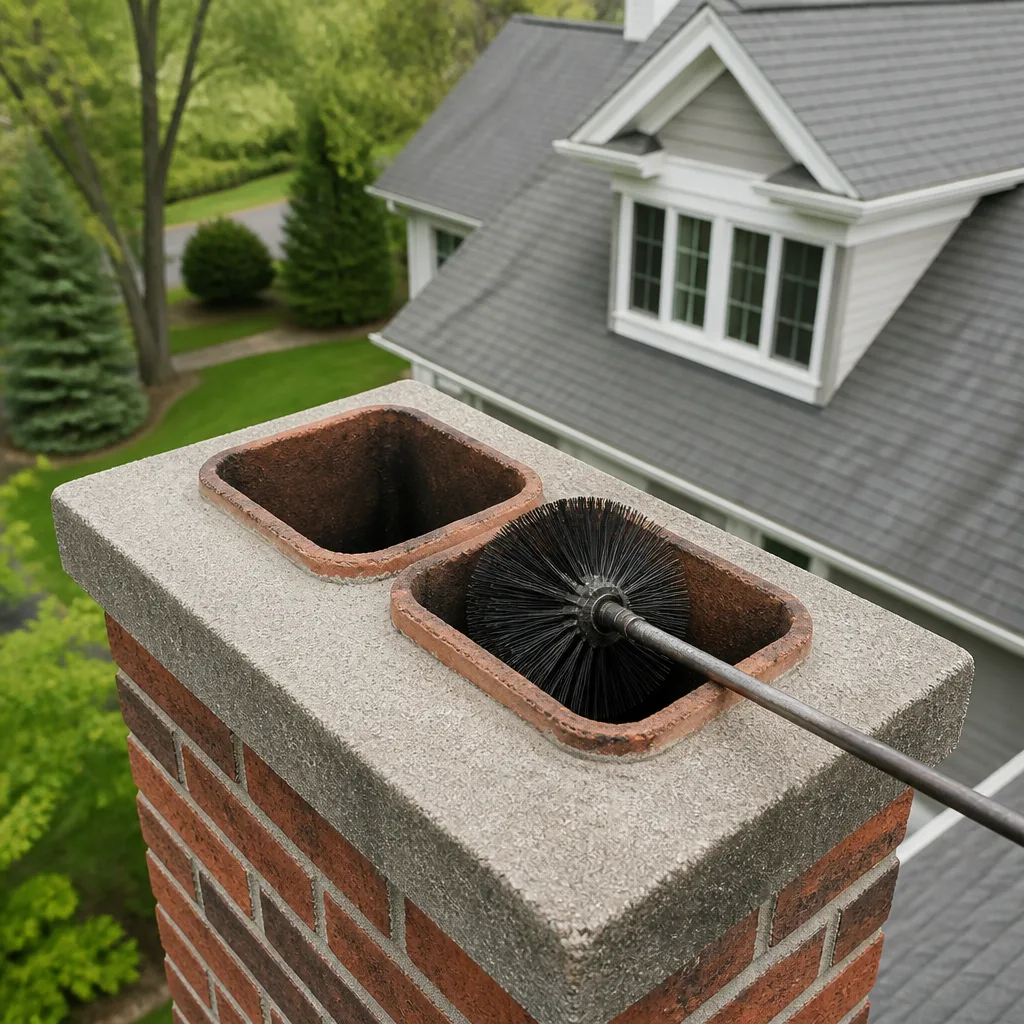
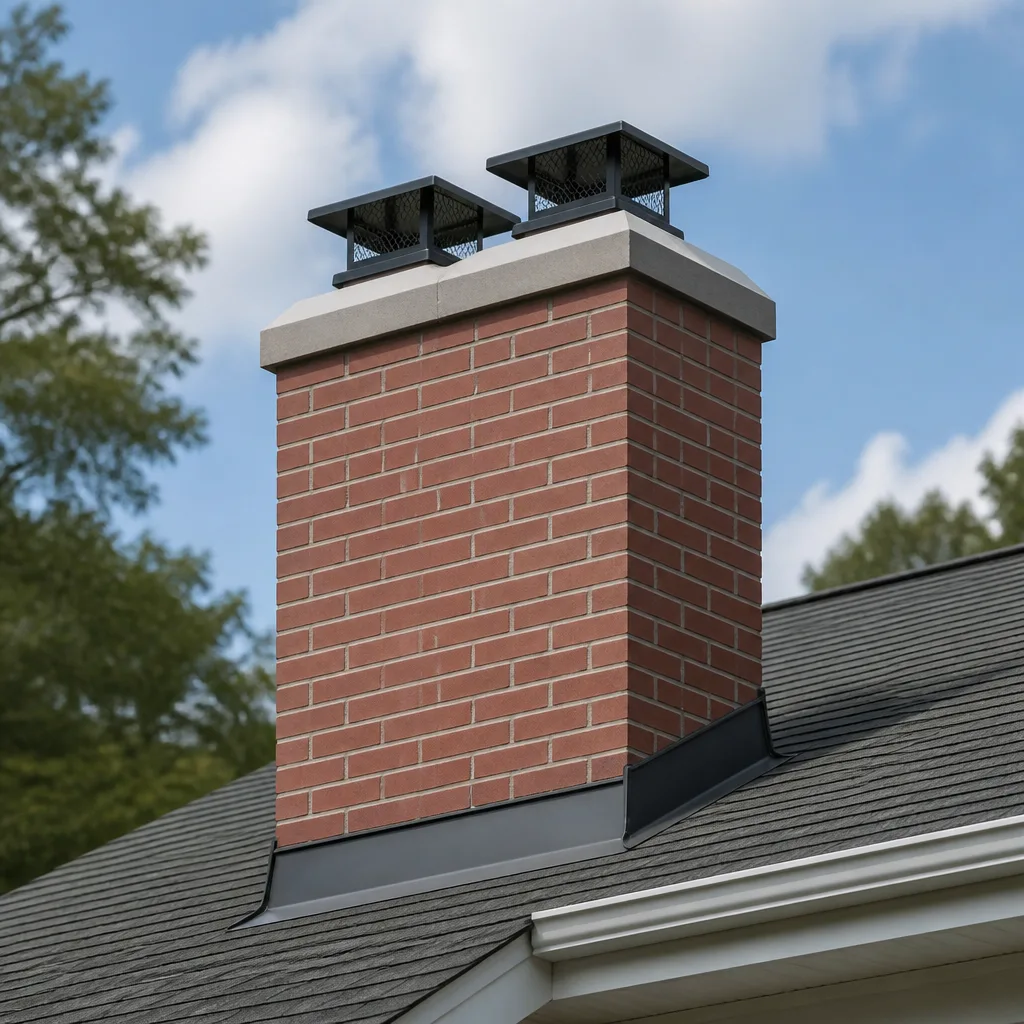
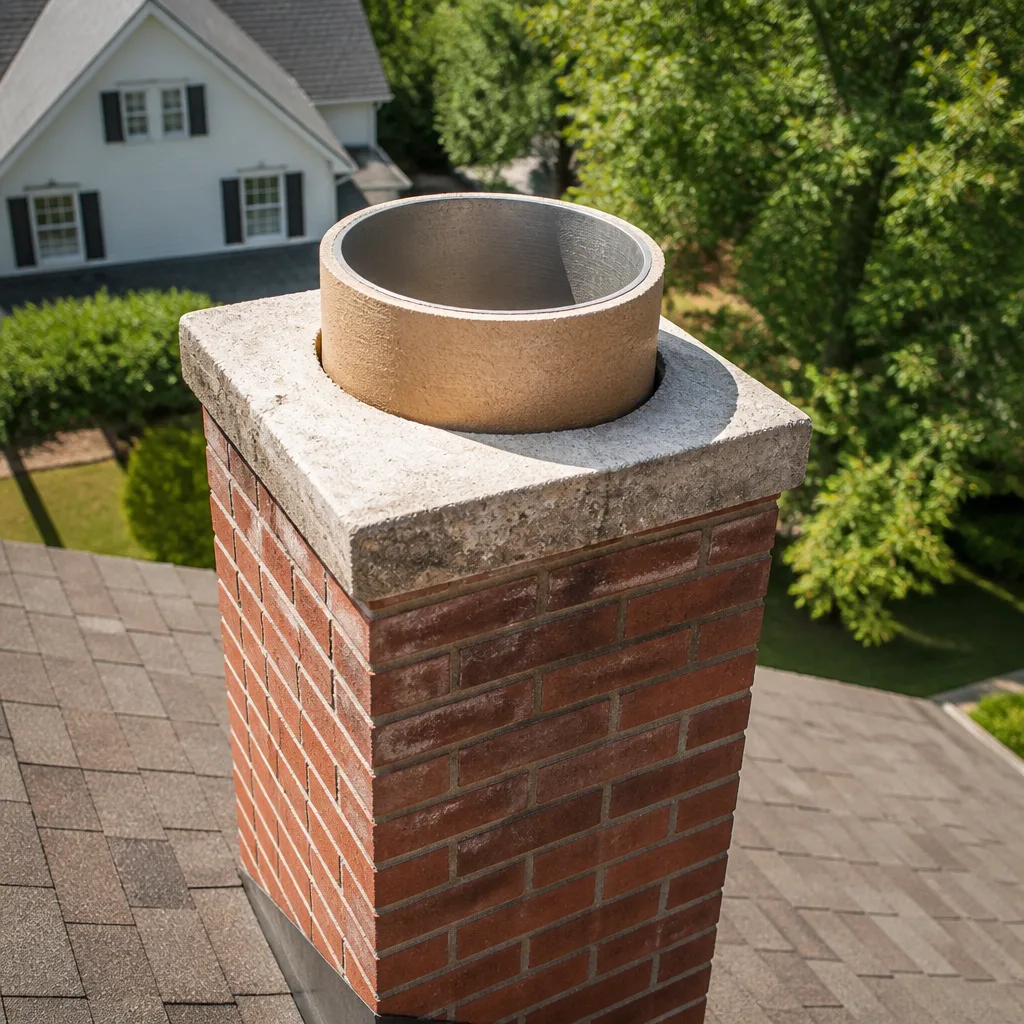
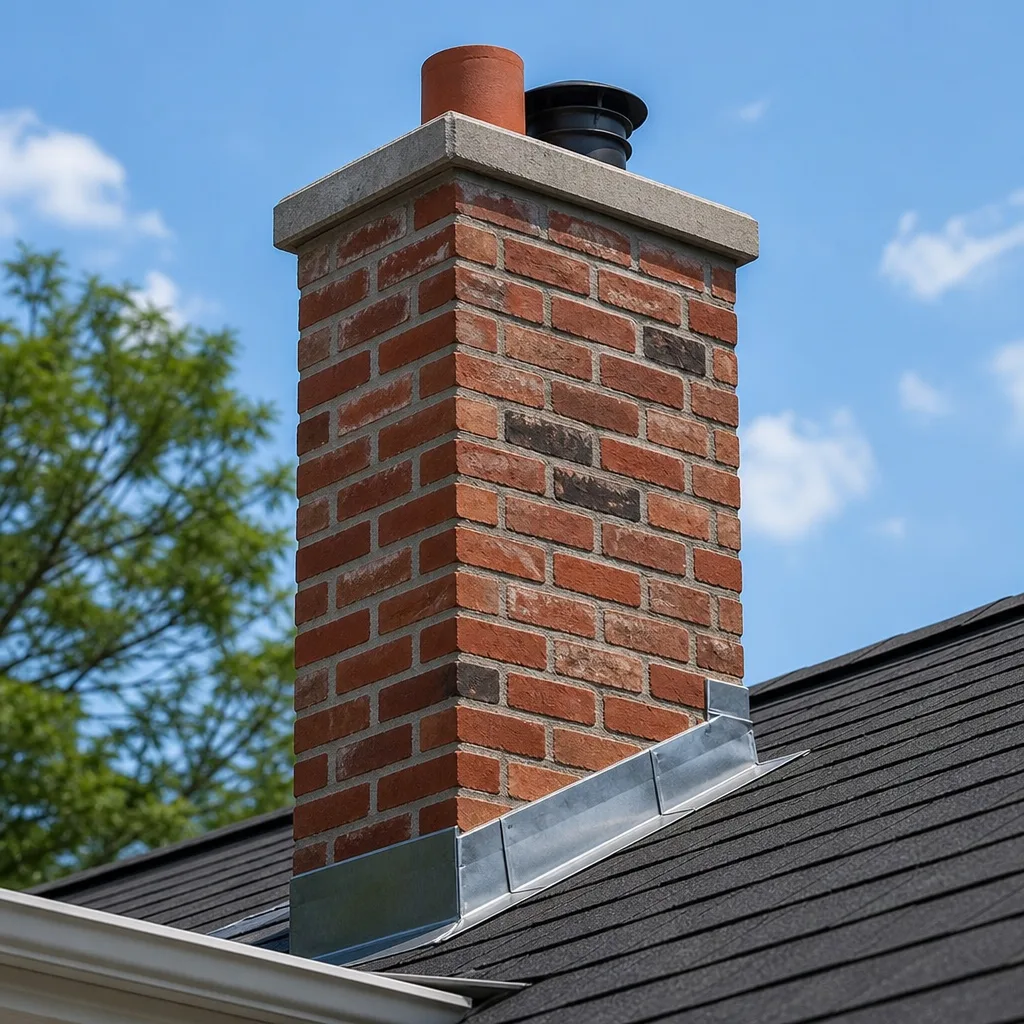
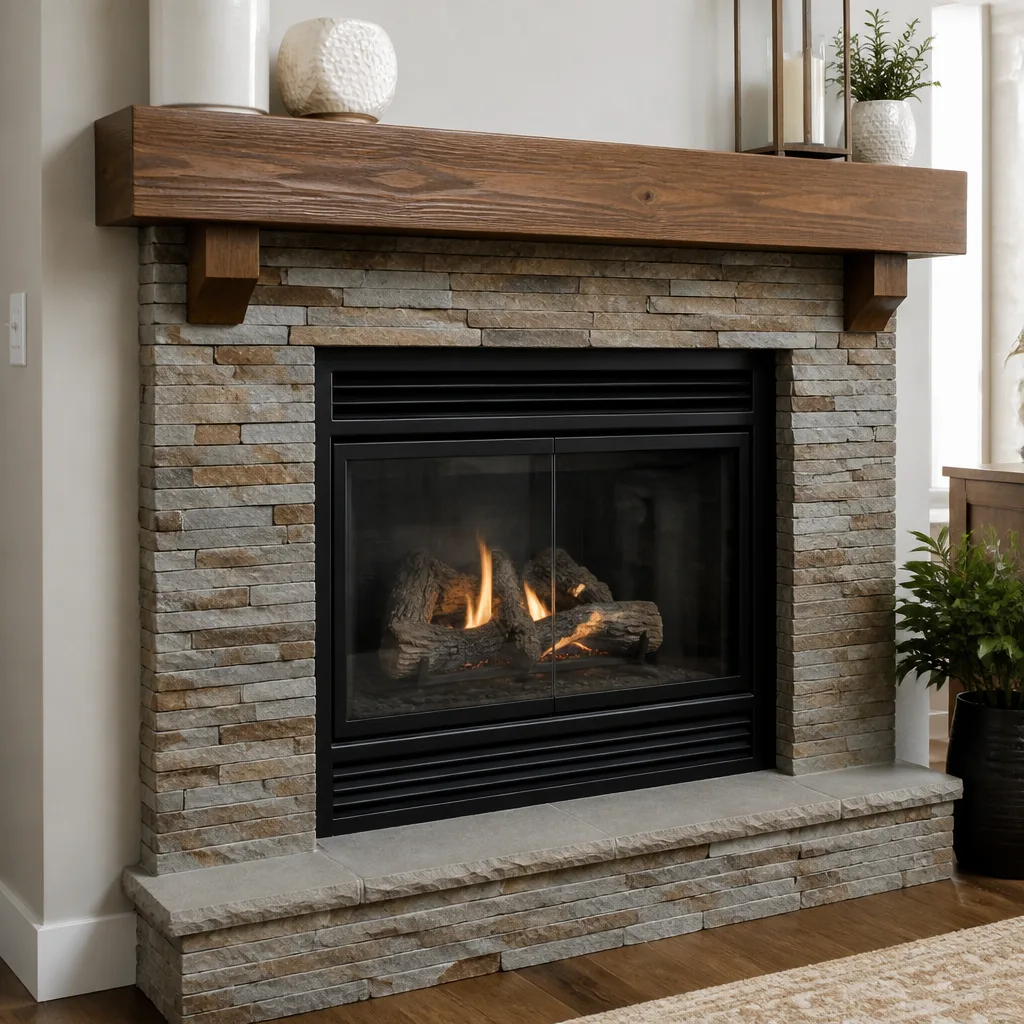
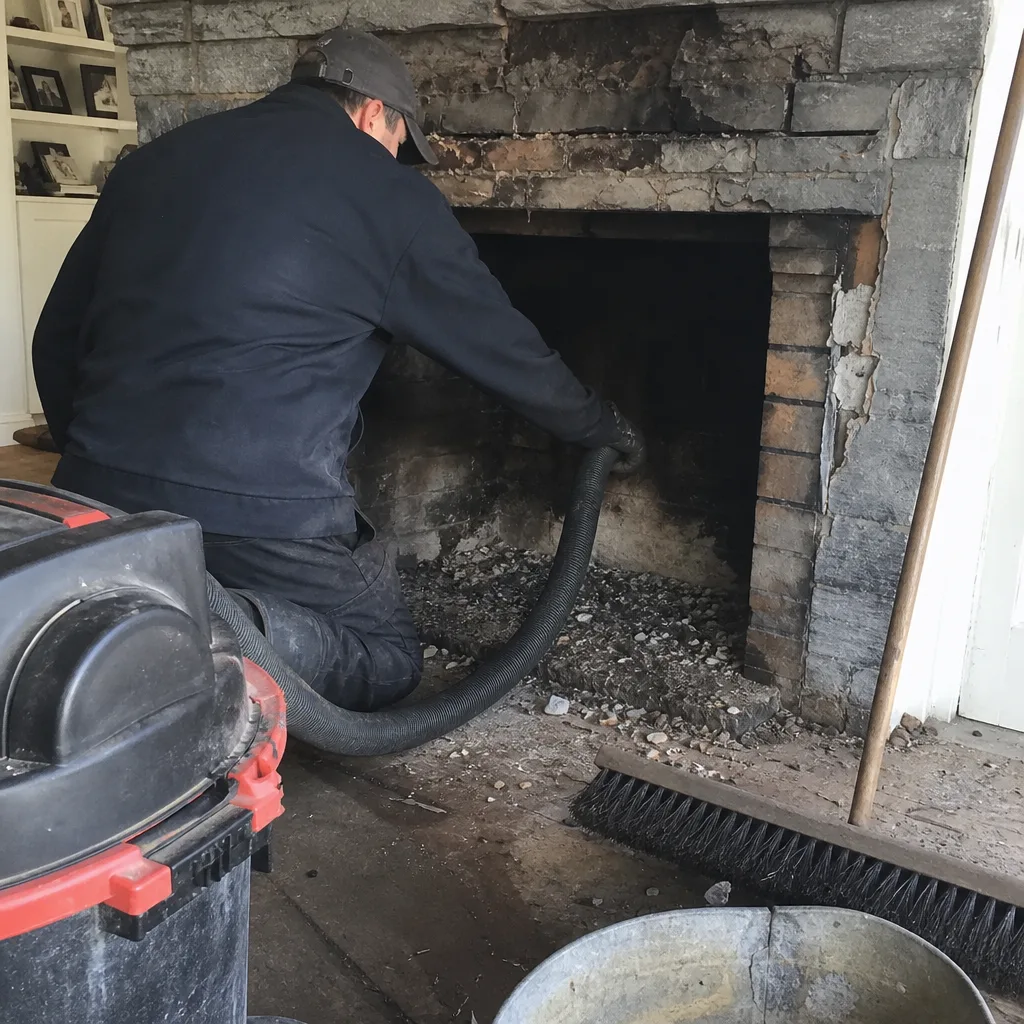 Before
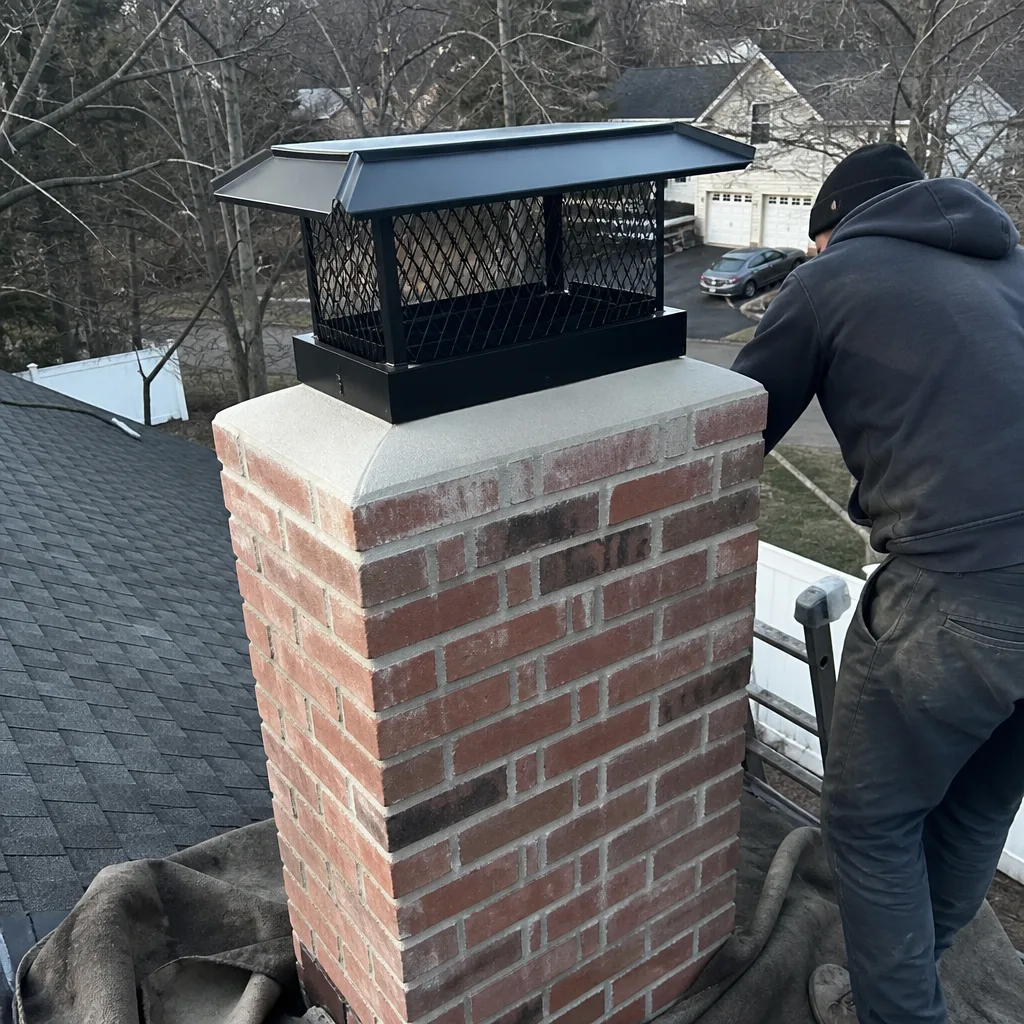 After
After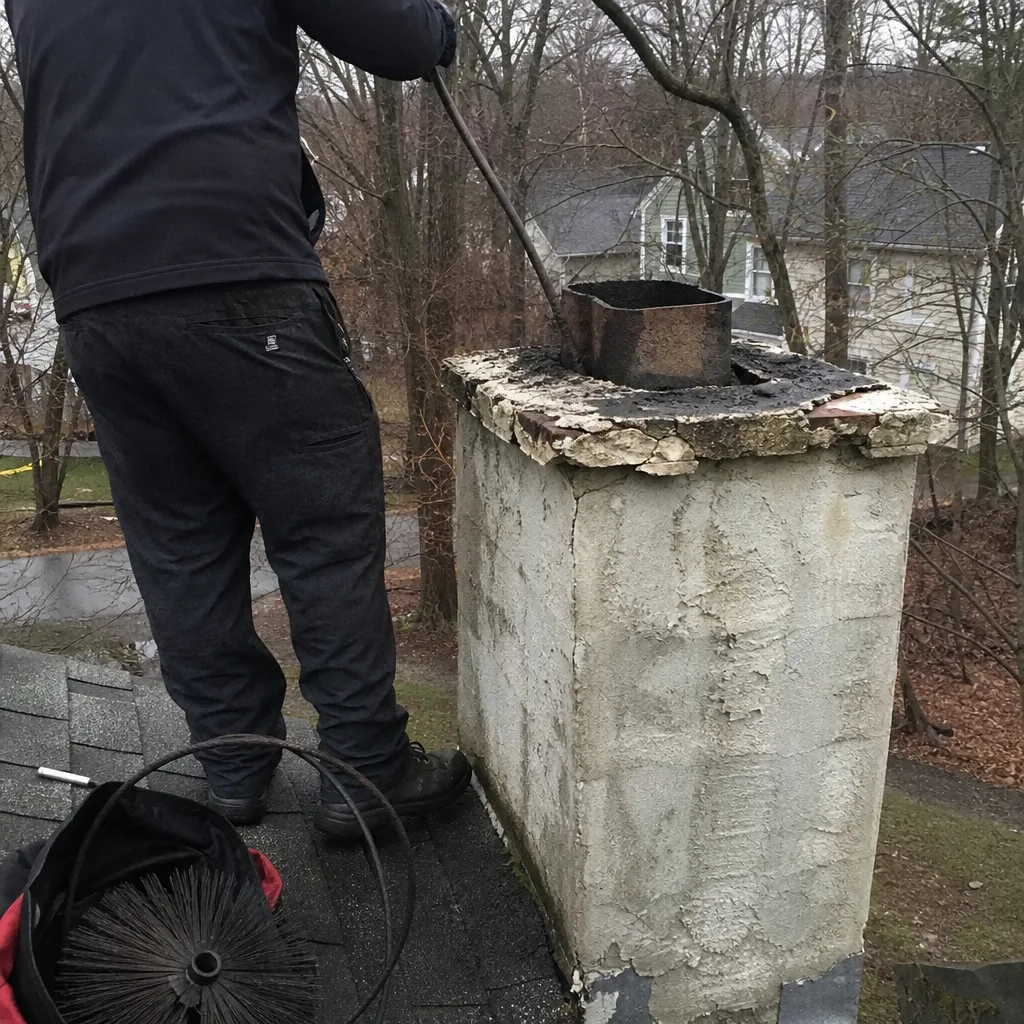 Before
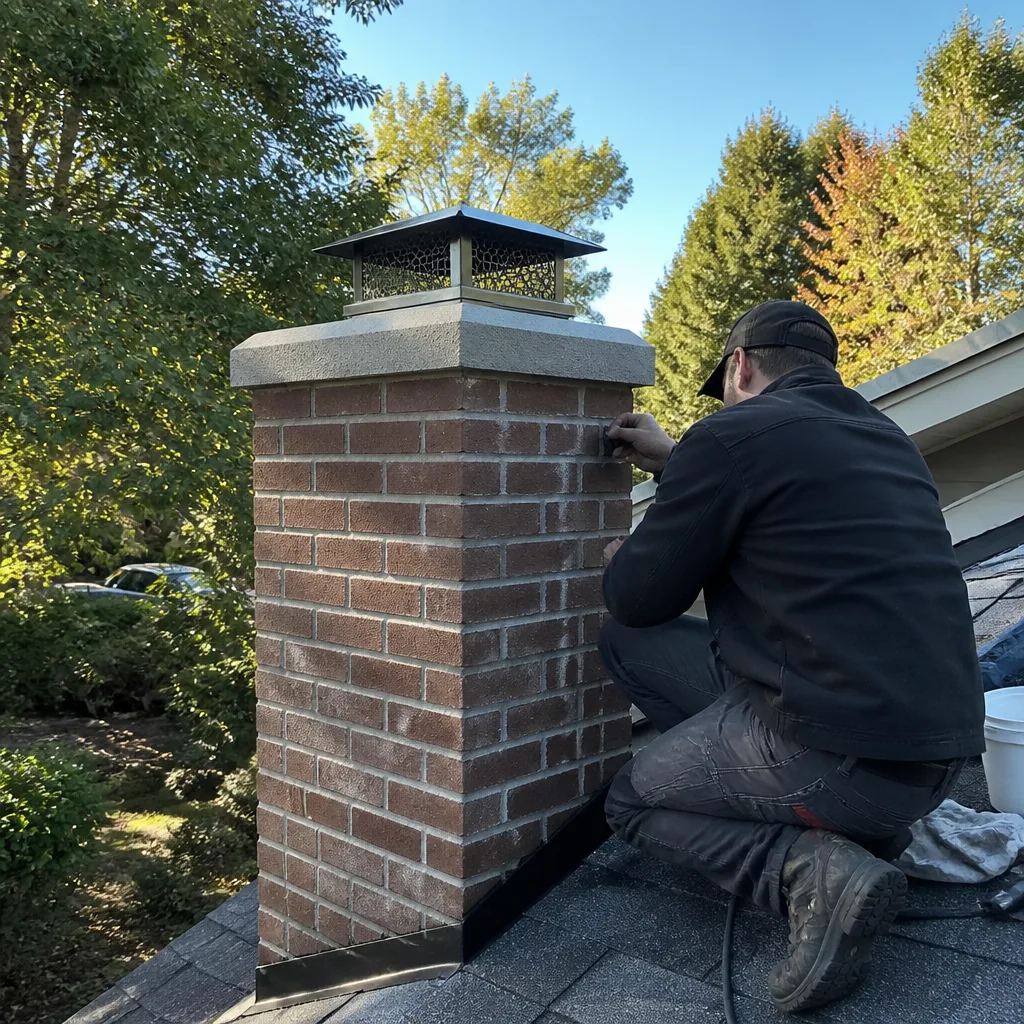 After
After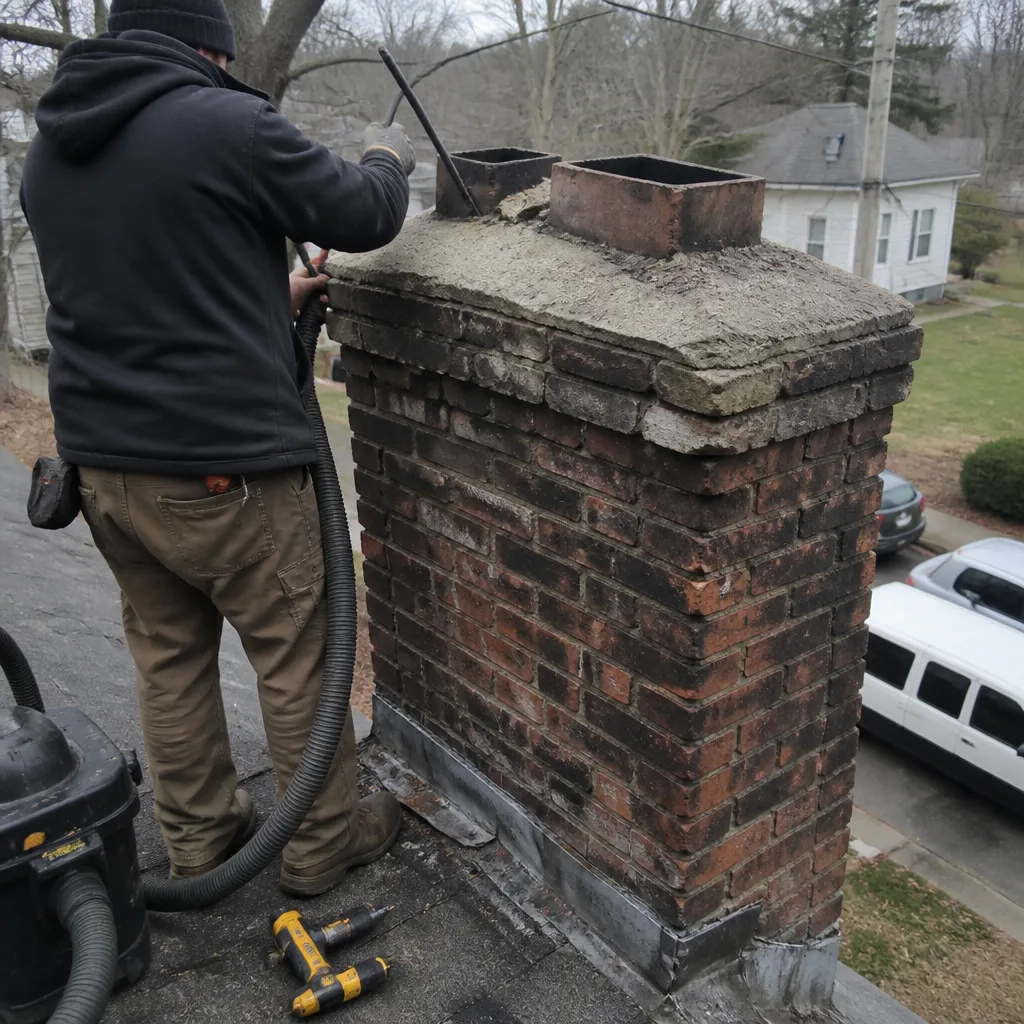 Before
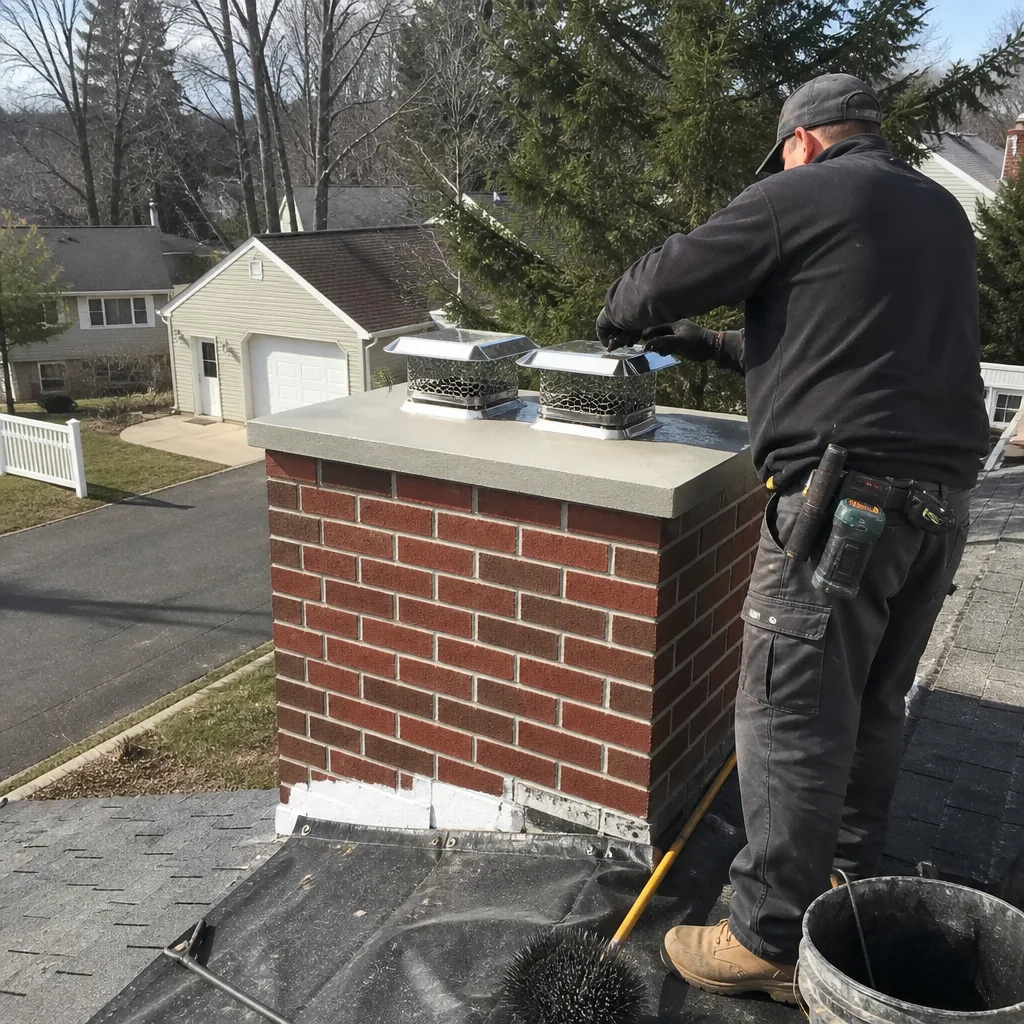 After
AfterThe Complete Guide to Chimney Cleaning in Waterbury
Here is something that surprises most homeowners in Waterbury: the calendar is the least useful tool for deciding when your chimney needs attention. In our 25-plus years sweeping flues across Waterbury, we’ve cleaned the same chimney twice in a single burning season because the homeowner was burning green, unseasoned wood. And we’ve told other folks their chimney could safely go another year because it had seen nothing but dry hardwood and a clean draft. The CSIA recommendation of “once a year” is a decent starting point, but this guide is about the variables that actually matter: what you burn, how you burn it, and what a sweep sees when the camera goes down the flue. You’ll learn what a legitimate cleaning actually involves from start to finish, what the three inspection levels mean in plain English, what creosote stages look like and why they matter, and when Wendell will tell you to save your money and wait.
Quick Answer
Chimney cleaning in Waterbury, CT typically costs between $189 and $350 for a standard sweep and Level 1 inspection, depending on flue height, accessibility, and the amount of creosote buildup. Most wood-burning fireplaces and stoves in Waterbury should be inspected annually and cleaned when creosote reaches 1/8 inch of buildup, which usually works out to every 1 to 2 years for typical use. A legitimate visit includes more than brushing: it means a camera inspection, a written report, and a straight answer about whether the flue needs work or can wait.
Table of Contents
- What Actually Affects How Often You Need a Cleaning
- The Three NFPA Inspection Levels, Explained Plainly
- Understanding Creosote: The Three Stages and Why They Matter
- What Happens During a Legitimate Chimney Cleaning
- How to Tell a Thorough Sweep From a Brush-and-Go
- What Chimney Cleaning Costs in Waterbury
- When Wendell Says You Don’t Need a Cleaning Yet
- What Makes Waterbury Chimneys Different
- Common Mistakes to Avoid
- When to Call a Professional
- Frequently Asked Questions
- The Bottom Line
What Actually Affects How Often You Need a Cleaning
Before anyone climbs onto your roof in Waterbury, let’s talk about what determines whether your chimney is dirty, dangerous, or fine to run another season. The honest answer is that four factors drive nearly every recommendation we make, and none of them are the month on the calendar.
What You Burn
The single biggest variable is the wood itself. Seasoned hardwood like oak, maple, or hickory that has dried for at least six to twelve months burns hot and relatively clean. Green wood, soft woods like pine, and anything that was never properly split and stacked produces far more smoke, more moisture, and more creosote. In our experience around Waterbury, the difference between burning properly seasoned hardwood and burning whatever was delivered last week can be the difference between an annual brushing and needing a full glaze removal twice in one season.
How You Burn It
A fire that smolders with the damper mostly closed produces cooler flue gases. Cooler gases mean more condensation inside the chimney, which means more creosote adhesion. A hot, clean-burning fire with good airflow leaves far less deposit behind. If you tend to start a fire, close the glass doors, and damp it down to stretch the wood, you are creating exactly the conditions creosote loves. If you let the fire burn actively, you’re doing your flue a favor.
The Type of Appliance
A modern EPA-certified wood stove with a properly sized stainless liner will run cleaner than an open fireplace from the 1960s. Inserts, especially older ones, often have hidden sections of flue that are harder to inspect and harder to clean thoroughly. Waterbury has thousands of homes where the original open fireplace was converted to an insert decades ago, and those conversions often used liners or connections that don’t meet today’s clearances. That’s not automatically dangerous, but it does mean more care is needed during inspection.
The Draft
A chimney that drafts poorly doesn’t just smoke back into the room. It also leaves combustion byproducts lingering in the flue longer, which allows more creosote to settle. Draft problems can come from a flue that’s oversized for the appliance, a chimney that terminates too close to a taller portion of the roof, or a cold chimney that struggles to establish an updraft. Chimneys break in the off-season too, and draft problems are often discovered during a cleaning visit when the sweep measures the flue and watches how the smoke behaves.
The Three NFPA Inspection Levels, Explained Plainly
The National Fire Protection Association defines three levels of chimney inspection, and you should understand what each one means before you pay for anything. Most routine cleanings around Waterbury should include a Level 1 inspection. Here is what each level covers in everyday language.
- Level 1: The routine check. The sweep inspects the readily accessible portions of the chimney: the firebox, the damper, the flue interior (using a camera or a mirror), and the exterior chimney structure from the roof. This is the minimum that should accompany any cleaning, and it is what Wendell does on every single visit whether you ask for it or not. If the system has not changed since the last inspection and you use the fireplace the same way you always have, Level 1 is the right scope.
- Level 2: The deeper look. This includes everything in Level 1 plus inspection of accessible attics, crawl spaces, and the chimney exterior. A Level 2 is required when there is a change to the system: a new appliance, a new liner, a change in fuel type, or after a chimney fire, weather event, or property sale. Level 2 inspections typically involve camera footage of the entire flue length. At Chimney Cleaning & Sweep in Waterbury, we recommend a Level 2 camera inspection any time a home is sold or when we see evidence of a prior fire that the homeowner didn’t know about.
- Level 3: The invasive inspection. This involves removing portions of the chimney structure, such as masonry or the chimney crown, to access hidden areas. Level 3 is reserved for when a Level 1 or Level 2 inspection reveals a likely hazard that cannot be fully evaluated without destructive access. It is rare, and any honest contractor will only recommend it with a clear explanation of what they’re looking for and why.
Here is the practical point: if a sweep quotes you a cheap price and doesn’t mention inspection at all, you aren’t getting a real job. And if a sweep tries to push you straight to a Level 3 without camera evidence showing why, find someone else. Wendell’s rule is straightforward: the camera footage and a plain-English verdict, every time, no exceptions. If we can’t show you the problem, there isn’t a problem to fix.
Understanding Creosote: The Three Stages and Why They Matter
Creosote is what forms when wood smoke condenses on the cooler walls of your flue. It is black or brown, it can be flaky, sticky, or hard as glass, and it is the reason your chimney needs attention. Not all creosote is the same, and the stage determines both the risk and the cleaning method.
Stage 1: The Flaky Stuff
First-degree creosote looks like soot or flaky black dust. It brushes off relatively easily with standard rods and a wire brush. Most routine cleanings deal with Stage 1 creosote, and honestly, this is what you want to see. It means you’re doing a lot right.
Stage 2: The Sticky/Psychedelic Crunch
Second-degree creosote is thicker, often shiny and granular, like black corn flakes or crunchy flakes that have hardened into a scale. It forms when flue temperatures are cooler, typically from smoldering fires or green wood. Stage 2 requires more aggressive brushing, and sometimes rotary cleaning heads with plastic or steel whips. It’s still cleanable with the right tools, but a basic dollar-store brush will not do it. This is the stage where most Waterbury homes end up when the wood hasn’t been seasoned properly.
Stage 3: The Glaze
Third-degree creosote is a hard, tar-like glaze that often looks like shiny black glass or lacquer. It forms when creosote has gone through repeated cycles of condensation and high heat, essentially cooking into the flue wall. A wire brush will not remove it, period. Stage 3 typically requires professional chemical treatments or mechanical removal with rotary equipment, sometimes over multiple visits. It is also the stage most likely to fuel a chimney fire, because it is concentrated fuel coating the entire flue. This is what we mean when we say first-degree creosote is a brush job, but third-degree is a glaze: catch it early. If you suspect your chimney has Stage 3 creosote, call Top Hat Chimney home for a camera inspection before you light another fire.
What Happens During a Legitimate Chimney Cleaning
Here is exactly what a proper cleaning should include when someone shows up at your Waterbury home. We walk through this because you deserve to know what you’re paying for, and because a homeowner who knows the steps can tell the difference between a two-hour thorough job and a twenty-minute brush-and-go.
- Arrival and setup. The sweep arrives in a marked vehicle, in uniform, and begins by laying down drop cloths around the hearth. The vacuum gets set up and tested before the brush goes anywhere near the flue. If the tech starts brushing before the dust control is running, that’s a red flag.
- Visual inspection of the firebox and damper. Before cleaning, the sweep looks at the firebox, the damper, and the overall condition of the firebrick and mortar. Issues here affect how the flue performs and indicate what might be happening up top.
- Roof access and top-down or bottom-up brushing. Depending on the chimney and what’s safest, the sweep cleans from the top or from inside the firebox. Either way, the correct brush size for your flue dimensions gets used. The sweep works methodically down (or up) the entire flue length. If the flue has a liner, the brush needs to be compatible with the liner material. For stainless liners, we use softer poly brushes to avoid scratching or damaging the liner walls. The same care applies to products from DuraFlex and Copperfield, which are designed to hold up for years when cleaned correctly.
- Camera inspection of the flue interior. After brushing, the camera goes in. This is the most important step. The camera shows the spot on the flue wall that the brush cannot see: cracked clay tiles, gaps between sections, pinholes in a metal liner, or damaged mortar joints. If a sweep does not offer camera footage, you are paying for a guess. At Top Hat Chimney, every cleaning includes camera inspection, and we go over the footage with you before we leave.
- Removal of debris and soot. The sweep cleans out the smoke shelf, the damper assembly, and the firebox. The vacuum traps the soot; the area around the hearth should be cleaner when they leave than when they arrived.
- Exterior check of the chimney crown, cap, flashing, and masonry. The sweep walks the roof if safe to do so and looks at the cap, the crown, and the flashing. Loose flashing lets water in. A cracked crown lets water in. A missing or damaged cap lets rain, leaves, and animals in. These are chimney problems, not fireplace problems, and they matter just as much.
- Plain-English report and honest recommendation. The sweep tells you what they found, what it means, and what needs to happen now versus what can wait. If it’s a simple Stage 1 cleaning with no findings, the report says that. If the camera found something, you get to see the footage and hear the recommendation in words you understand. Nothing gets recommended without visual evidence.
That is the standard Wendell has held at Top Hat Chimney since 1999, and it’s the same standard we bring to every job in Waterbury today.
How to Tell a Thorough Sweep From a Brush-and-Go
A cheap chimney cleaning is cheap for a reason. Our How to Hire a Chimney Cleaning Contractor in Waterbury: A Step-by-Step Guide covers what to watch for when you’re comparing services in the area.
- No camera footage. If the sweep says they “looked” but doesn’t have photos or video to show you, you’re taking their word for something you could verify yourself. The camera is the standard now. We won’t diagnose without it.
- Quote on the phone, different number at the door. This is the classic national-chain move, and it’s why so many Waterbury homeowners tell us they won’t deal with franchises anymore. Upfront pricing should be stated before work begins, and that number should be the number on the invoice. The number you hear on the phone is the number on the invoice: that is how Wendell works. Period.
- No roof access. A sweep who never goes on the roof can’t inspect the crown, the cap, the flashing, or the top section of flue. Those are prime failure points in a Waterbury winter. If they can’t access the roof safely, that should be noted and handled, not skipped.
- Ten-minute job, full price. A standard single-flue cleaning with inspection takes an hour or more when it’s done right. If someone is in and out in fifteen minutes, they brushed the easy part and skipped the rest.
- Pressure tactics for immediate repairs. A legitimate finding comes with evidence. A high-pressure sales pitch without camera proof is not a finding; it’s a sale. When Wendell shows you what the camera saw, you’ll know whether something needs doing. We never push. We show you the footage, explain the options, and let you decide.
What Chimney Cleaning Costs in Waterbury
In Waterbury, CT and the surrounding towns, a standard chimney cleaning with a Level 1 inspection typically runs between $189 and $350. The spread depends on the flue height, whether the chimney is accessible from a standard roof or requires special setup, the amount of creosote buildup, and whether there are multiple flues. Homes on the hills up toward Bucks Hill or in the older neighborhoods around downtown Waterbury often have taller chimneys or tighter roof access, which affects the price.
If a Level 2 inspection is needed, typically because of a property sale or a change in the system, expect an additional charge in the $150 to $250 range for the full camera inspection and documentation. Glaze removal for Stage 3 creosote is a separate service and typically ranges from $400 to $900 depending on severity. These are honest ranges for our market, and we’d rather give you a straight number than a vague “call for pricing.”
What Affects the Cost
- Flue height and roof pitch: A three-story chimney on a steep Waterbury hillside takes longer and requires different safety setup than a single-story ranch with a walkable roof.
- Creosote stage: Stage 1 is a straightforward brushing. Stage 2 needs more work and different tools. Stage 3 is a different service entirely.
- Access: Chimneys that are tight against neighboring structures, surrounded by trees, or above awkward rooflines take more time and care.
- Number of flues: A two-flue chimney serves two appliances and costs more than a single flue.
- Condition of the system: If the damper is rusted, the cap is missing, or the firebrick needs repair, those are separate line items. We give you the number before we start; no add-ons at the door.
Top Hat Chimney also keeps standing offers that make a real difference for Waterbury homeowners: $40 off any repair over $200, a free second opinion on any competing written estimate, and no trip charge for calls inside our own service county. Seniors and veterans always get 10% off. Call (203) 439-5655 for a straight quote.
When Wendell Says You Don’t Need a Cleaning Yet
Sometimes the most valuable thing a chimney professional can tell you is that you don’t need to spend money right now. Wendell’s done it for years, and it’s the sort of honesty that built this business in Waterbury.
Here is when we tell people to wait: if the camera shows less than 1/8 inch of Stage 1 creosote, if the flue is intact and the cap is in place, if the damper works and the fireplace draws well, and if the homeowner burns seasoned wood in an open fireplace a handful of times each winter, a cleaning can safely wait. We’ll say so plainly and tell you what to keep an eye on. Maybe the best call is another look next spring. Maybe the system is fine for two years. That is a real conversation we have all the time, and we’d rather have it than take your money for a job that doesn’t need doing.
That said, there are conditions where we won’t say “wait,” and you should know what they are: visible Stage 2 or Stage 3 creosote, any crack or gap in a clay flue liner, water staining in the firebox, a missing or damaged cap, or evidence of a past chimney fire (like puffy creosote or cracked flue tiles). Those are not “next year” items. And if you’re new to the house and have no idea when the chimney was last inspected, start fresh. Once a year, burn or no burn. Chimneys break in the off-season too.
What Makes Waterbury Chimneys Different
Waterbury’s housing stock is older than what you’ll find in the newer towns around it. Many of the homes we work in across the city were built between the 1880s and the 1960s, and a lot of them had oil heat at some point. That matters because the fireplace in that 1920s colonial on the west side was likely converted, adapted, and repurposed at least once. Sometimes that conversion was done right, with a listed stainless liner properly sized and insulated. Sometimes it was done with materials that were questionable even at the time.
We also see a lot of wood-burning inserts in Waterbury, particularly in the neighborhoods where winters are hard and fuel costs matter. An insert can be a wonderful way to heat a room, but it can also hide the flue connection behind a shroud, making inspection difficult and tempting less careful sweeps to skip it. We don’t skip it. The camera goes in and the viewer gets watched, even when it takes an extra twenty minutes.
Waterbury’s hills also create microclimates that affect chimney performance. Homes on the higher slopes get more wind, which affects draft. Homes down in the hollows get inversion layers in cold months where smoke doesn’t dissipate as well. A chimney that works fine at one elevation may behave differently at another. We adjust for that, and it’s part of why a local sweep who knows the city’s streets and hillsides is worth more than a national call center routing a subcontractor.
Snow and ice matter too. Freeze-thaw cycles along the Naugatuck Valley are hard on masonry. Water gets into the brick, freezes, expands, and spalls the face of the chimney. By the time you see the brick flakes on the ground, the crown and the top courses have often been failing for years. A chimney cap that is properly installed with a good crown is the best insurance against Waterbury winters. We service and install caps from brands we trust, including Gelco and Copperfield, and we’ll tell you honestly whether your existing cap has life left in it.
Common Mistakes to Avoid
- Cleaning on a schedule instead of on condition. The calendar is a starting point, not the whole story. If the camera shows no buildup, a cleaning can wait. If the wood is green, you may need two cleanings in one Waterbury winter. Let the evidence decide.
- Burning unseasoned wood to save money. Green wood burns cooler, creates more creosote, and costs you more in sweeping and potential repairs than it ever saves at the woodpile. Season your wood for six to twelve months, split and stacked off the ground.
- Running the damper closed to stretch the fire. That smoldering fire deposits creosote faster than anything else. Burn actively or let it go out; don’t choke it down for hours.
- Skipping the inspection because the fireplace “works fine.” You can’t see a cracked flue liner from the living room. The camera sees it every time. Chimneys break in the off-season too.
- Choosing the cheapest sweep without checking for camera inspection. A lowball price usually means no camera, no roof access, and no real report. You’re paying for a brush through the flue and a handshake. That’s not a cleaning.
- Ignoring water damage signs. A water stain on the ceiling near the chimney, white efflorescence on the brick, or a rusty damper all mean water is getting in. Waiting only makes the repair more expensive.
- Assuming a new home’s chimney is clean because the seller said so. A home inspection from a generalist doesn’t include a camera through the flue. If you bought your Waterbury home in the last year and haven’t had a Level 2 inspection, do it. A Chimney Repair in Waterbury visit is cheaper than relining a fire-damaged flue.
When to Call a Professional
Some chimney situations are safe to monitor, and some are not. Call a professional if you see any of these in your Waterbury home: visible creosote buildup that is shiny or tar-like, a smoky fireplace that sends smoke into the room even with the damper open, a strong odor coming from the fireplace when it’s not in use, evidence of water intrusion around the chimney, a loose or missing cap, or any sign of a past chimney fire like cracked flue tiles or puffy creosote. If you’ve bought a home and don’t know its chimney history, start clean with a Level 2 inspection. Top Hat Chimney offers free estimates in Waterbury, and you’ll talk to a live person when you call, around the clock. Reach us at (203) 439-5655.
Frequently Asked Questions
A standard chimney cleaning with a Level 1 inspection in Waterbury typically costs between $189 and $350 depending on flue height, roof access, creosote buildup, and the number of flues. The number you hear on the phone is the number on the invoice when you work with Wendell at Top Hat Chimney. Call (203) 439-5655 and you’ll get a straight quote before anyone climbs on your roof.
The practical answer for most Waterbury homeowners is every 1 to 2 years, based on what the camera shows rather than the calendar alone. Burning seasoned hardwood in a properly drafting fireplace can stretch that to two years; burning green wood or smoldering fires on a regular basis may require cleaning twice in a single season. Once a year, burn or no burn: at minimum, have it inspected annually.
Only if the camera shows you the reason. A cracked clay tile, a rusted-through metal liner, or gaps between flue sections are real findings that justify a new liner. If a sweep recommends a liner without showing you the footage, get a second opinion. We use DuraFlex, HeatShield, and Copperfield products when a liner is genuinely needed, and we’ll show you exactly what the camera saw first.
Creosote accumulates, the flue narrows, and the risk of a chimney fire climbs steadily. Stage 1 creosote becomes Stage 2, then Stage 3, and by the time you smell smoke or see glaze, you’ve got a fuel problem that brushing alone won’t solve. In the worst case, a chimney fire can crack the flue and spread into the house. A $250 cleaning is the cheapest insurance policy in home ownership.
Yes. A proper insert cleaning includes protecting the hearth and surrounding area with drop cloths, running a vacuum designed for the fine soot, and cleaning the flue connection behind the insert, not just the visible firebox. We clean behind the shroud where other sweeps skip, because that’s where the dangerous creosote hides. Call (203) 439-5655 to ask about your specific insert model.
Yes, we serve the entire city: Bunker Hill, Town Plot, Overlook, East End, Bucks Hill, and every neighborhood in between. We’ve worked in Waterbury since 1999, and Wendell still runs into customers at the hardware store on Saturday. That’s the relationship we want with every customer.
The Bottom Line
Chimney cleaning in Waterbury is not a calendar ritual. It’s a condition-based decision, driven by what you burn, how you burn it, and what the camera shows when a qualified sweep looks. The annual inspection is the baseline; the cleaning happens when the buildup says it should. A real cleaning includes camera inspection, roof access, a written report, and an honest recommendation, and you should expect nothing less. For more guides & resources, find a local sweep who puts their name on the work, who will show you the footage, and who will tell you when the job can wait. Wendell Pike has been doing exactly that in Waterbury since 1999, and every job is backed by a 90-Day Done Right Promise in writing. Call (203) 439-5655 for a free estimate and a straight answer.
Written by Wendell Pike, Owner at Top Hat Chimney, serving Waterbury since 1999.