
Last updated September 10, 2026
Level 1 sweep and inspection to the NFPA 211 annual standard - flue, crown, cap, and flashing checked and photographed
Chimney sweep logs do not sweep chimneys. They loosen some creosote - which then falls where a brush and vacuum still have to collect it.
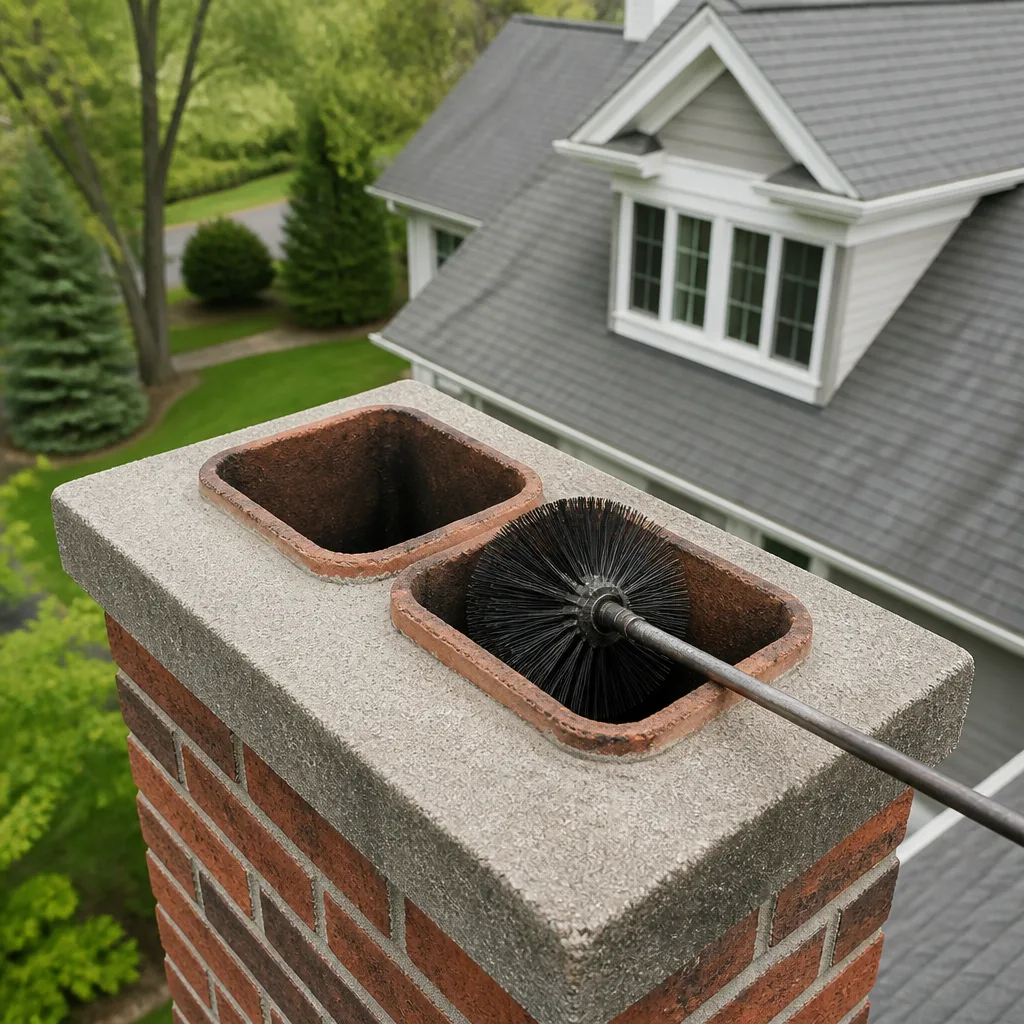
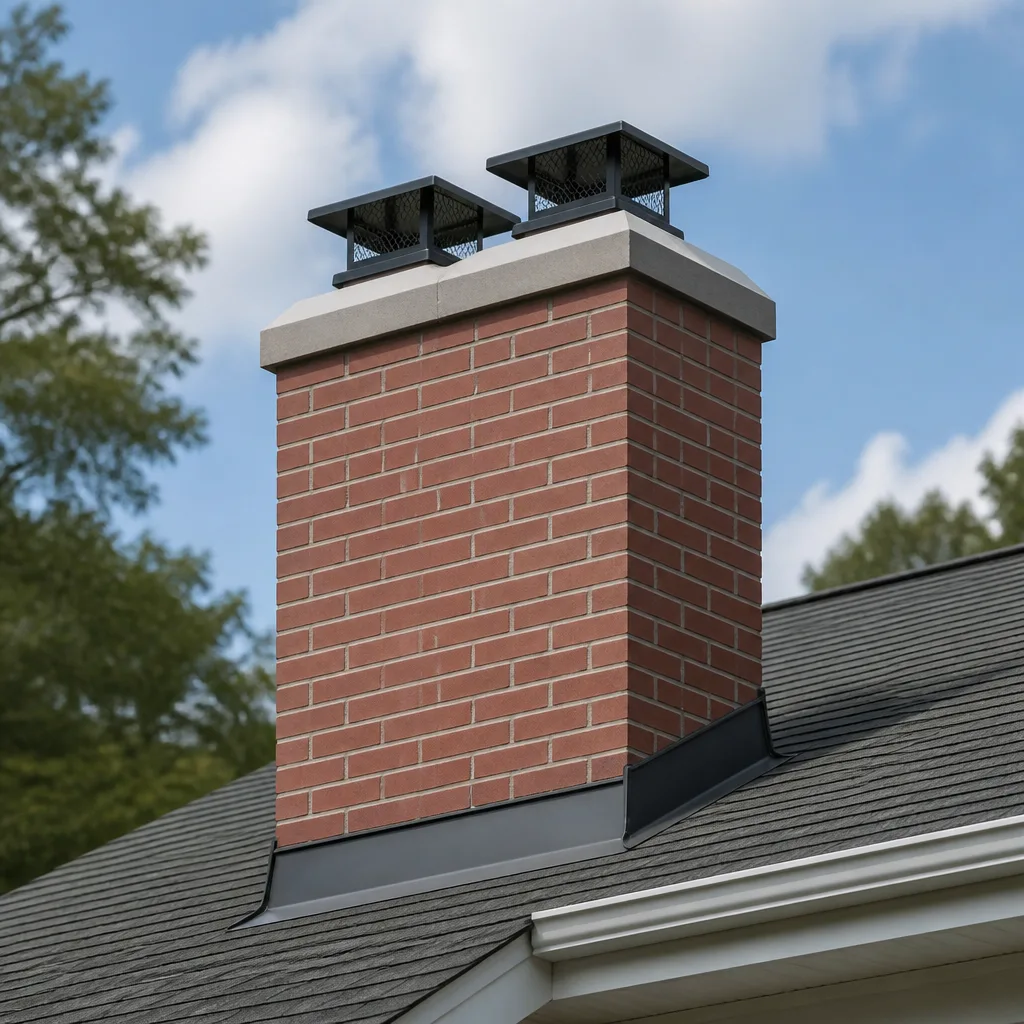
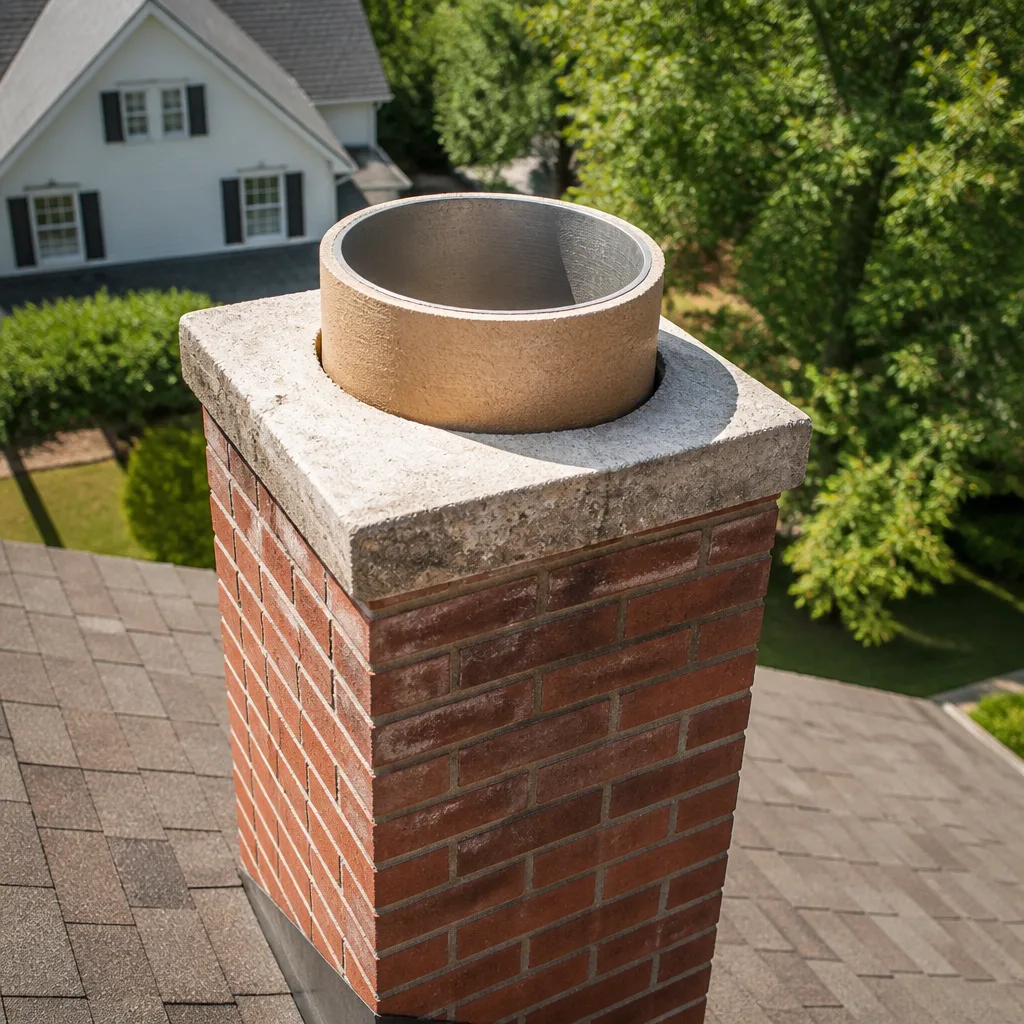
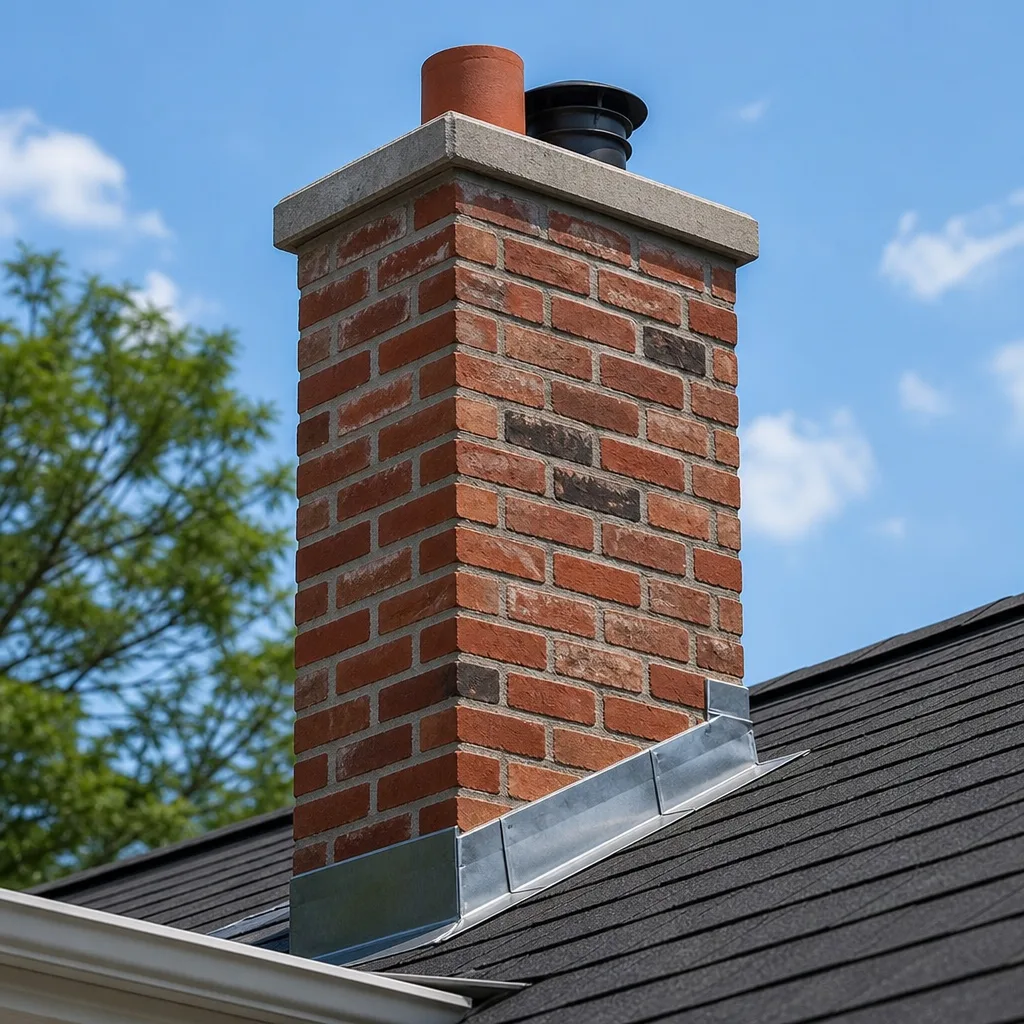
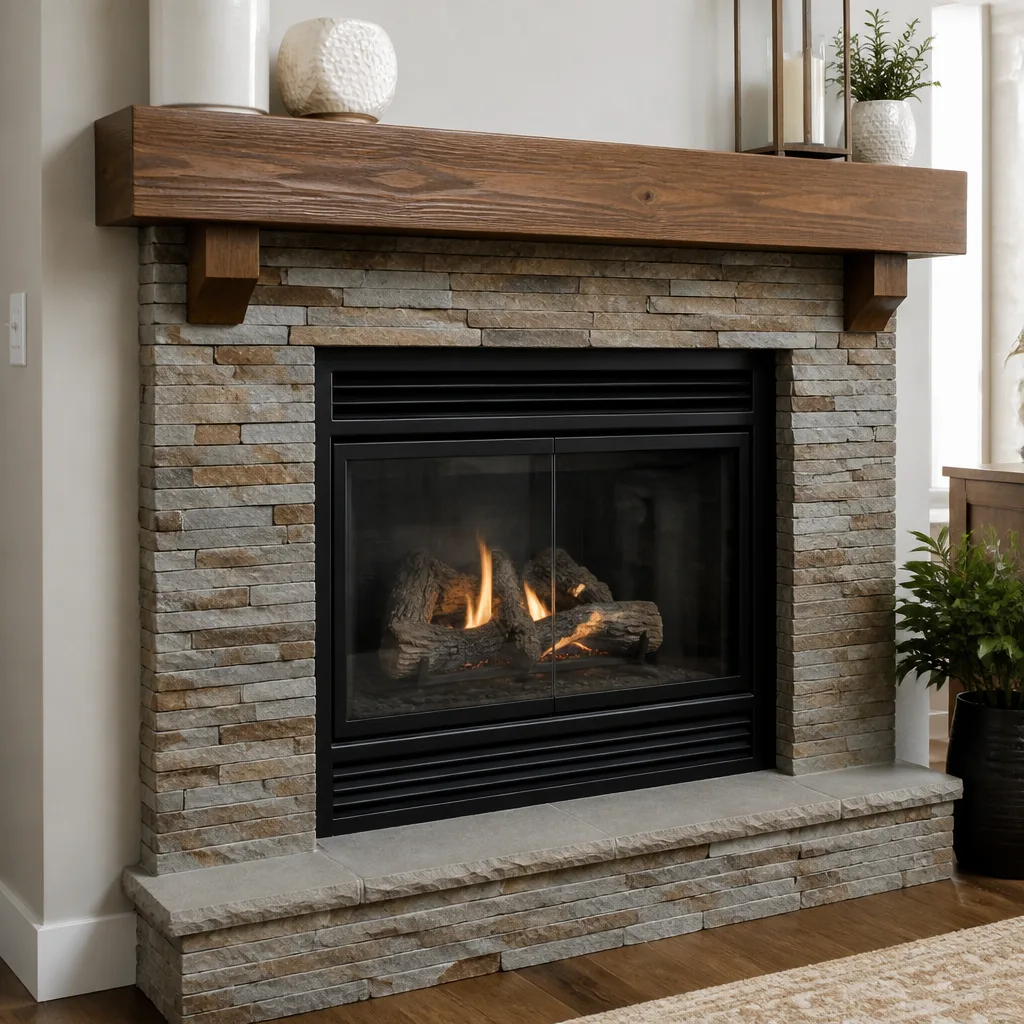
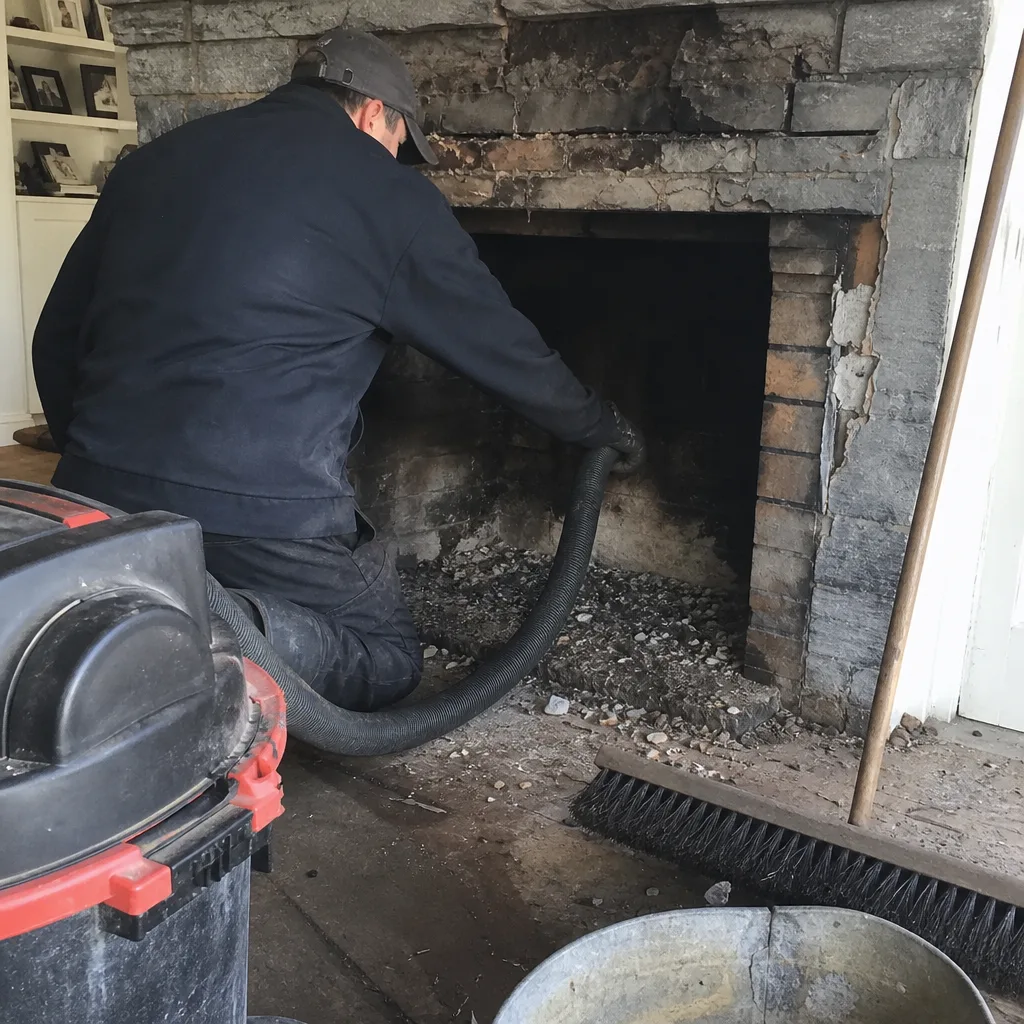 Before
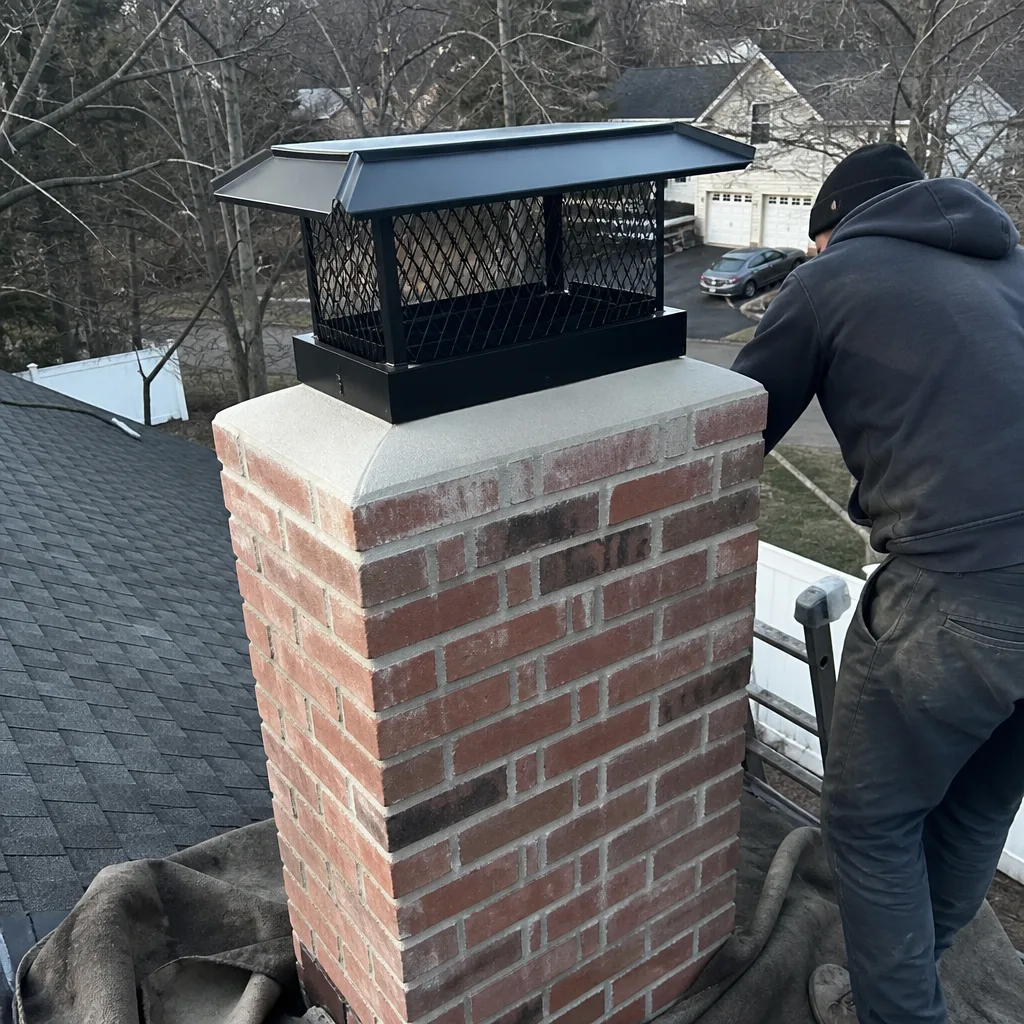 After
After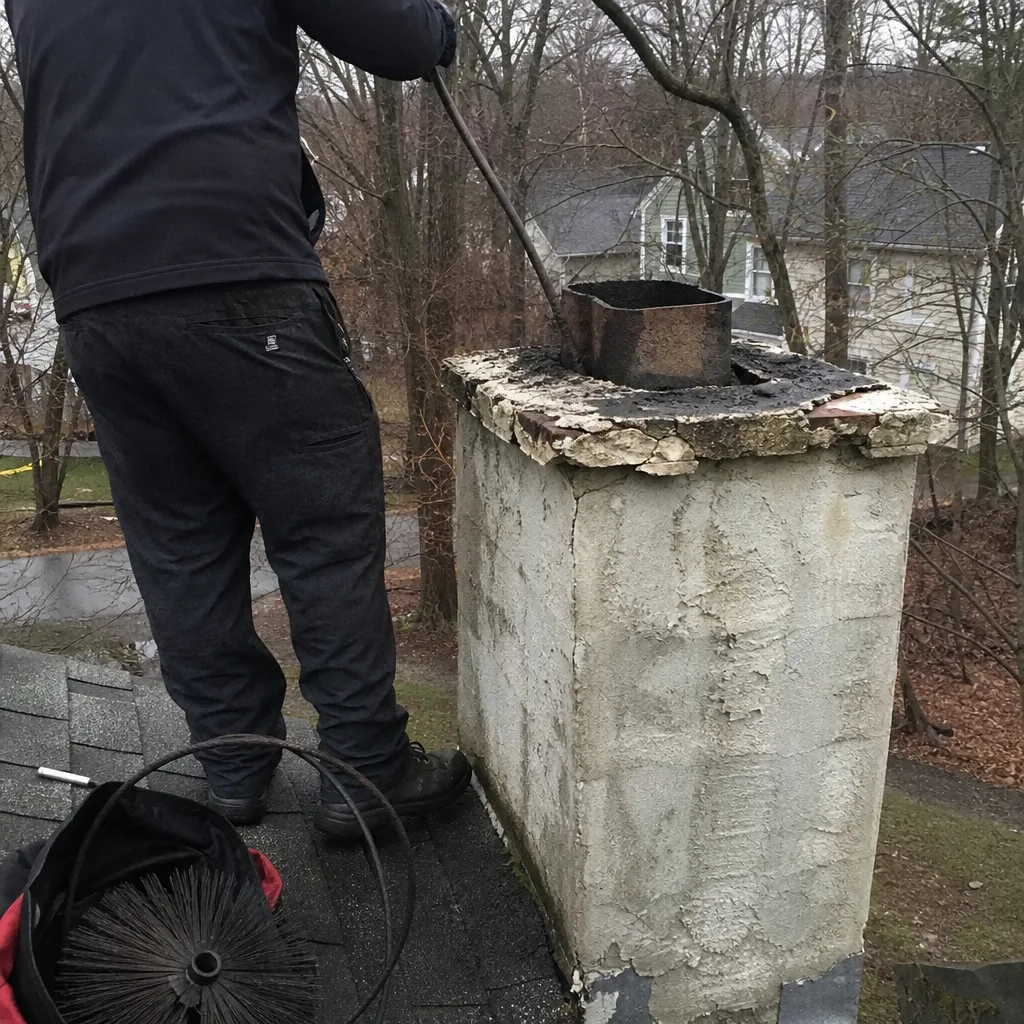 Before
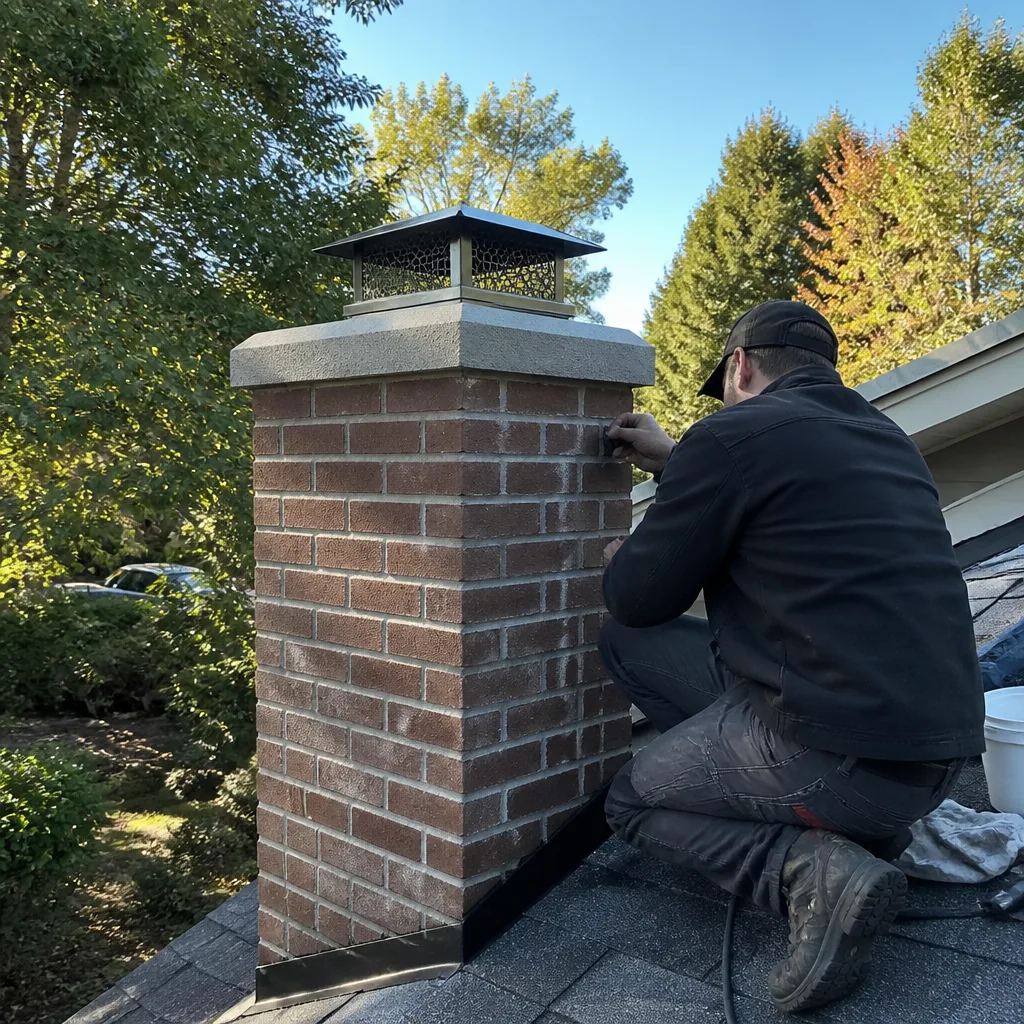 After
After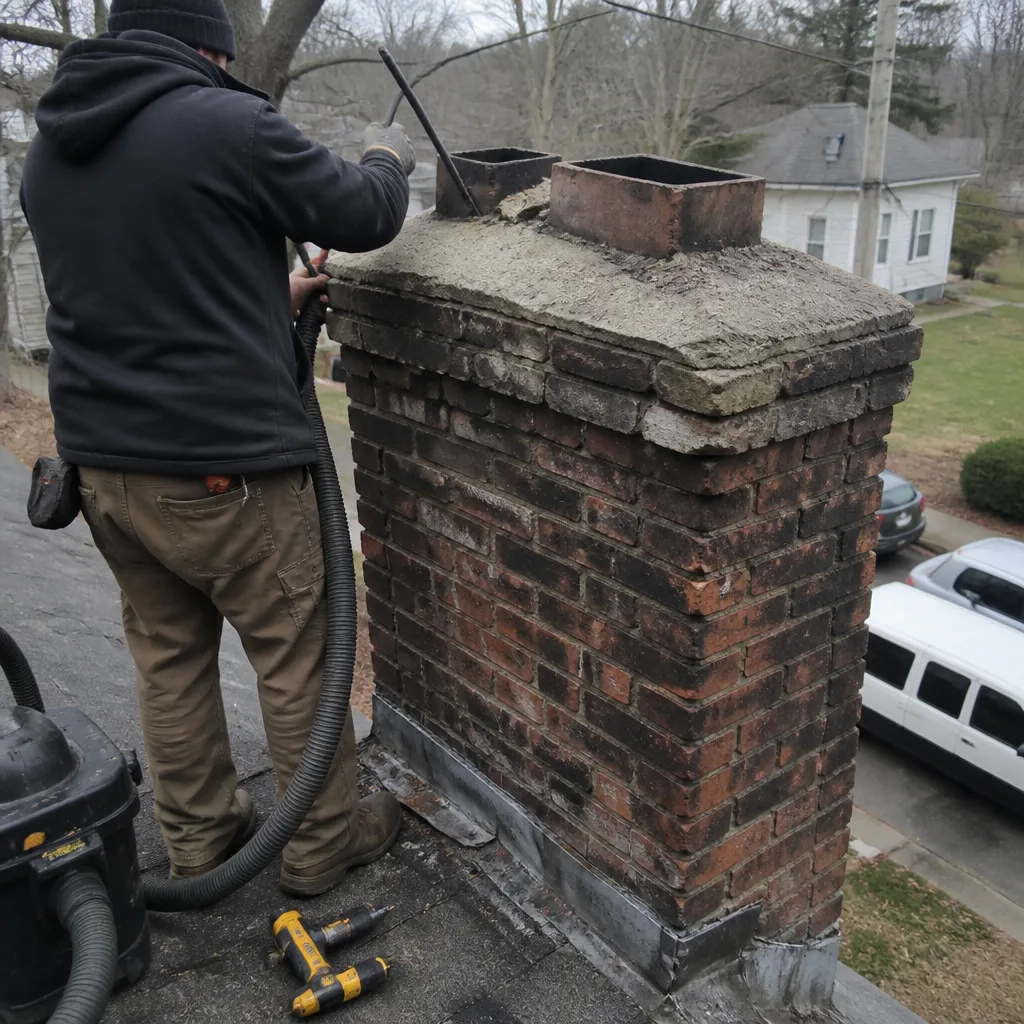 Before
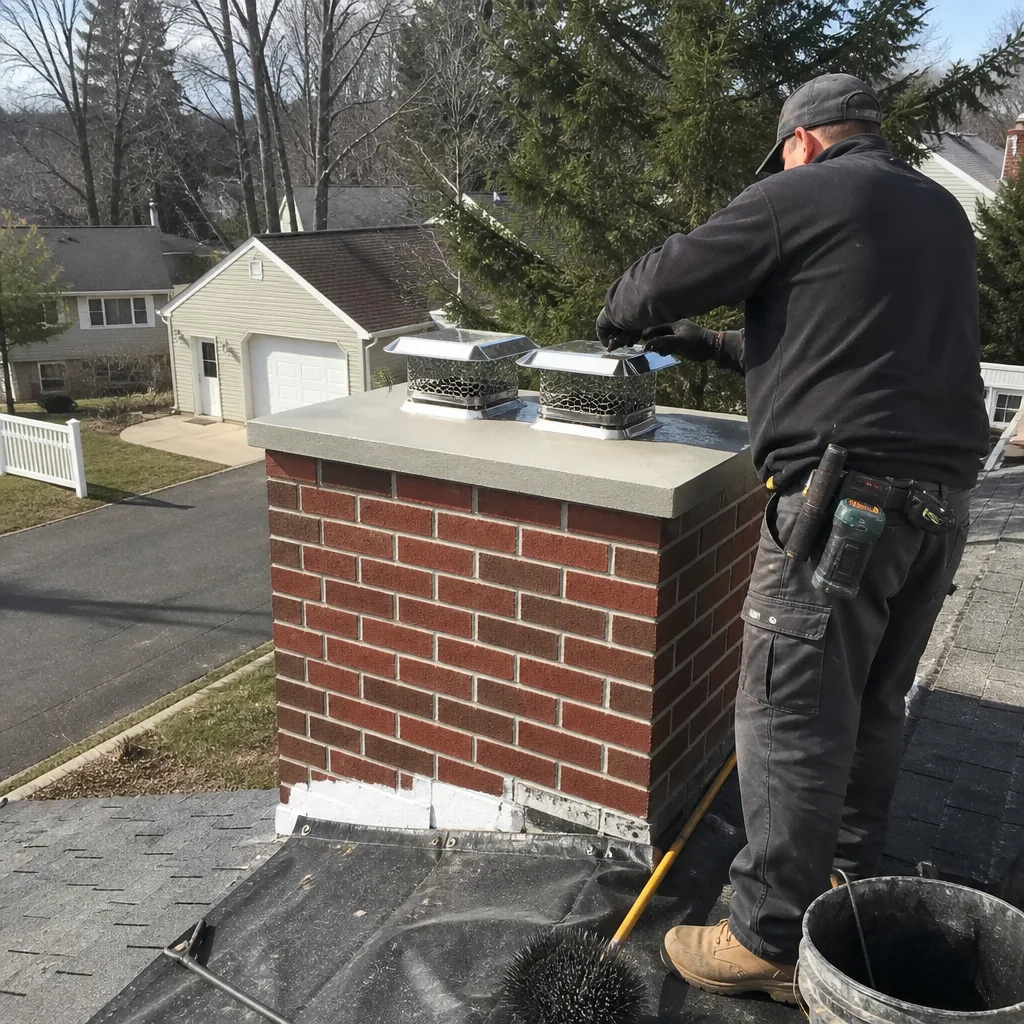 After
AfterSeasonal Chimney Cleaning Care for Waterbury: Year-Round Homeowner’s Guide
The worst time to discover your chimney has an animal nest is the first cold Saturday in October when you go to light the season’s first fire. In Waterbury, that’s exactly when it happens most often, because chimney swifts and raccoons both time out with the same weather you do. This guide follows the actual calendar Wendell uses for his own customers here in the Brass City, not a generic national template. You’ll learn what to do in each season, when cleaning actually makes sense, and which months you can safely leave the chimney alone.
Quick Answer
Seasonal chimney care in Waterbury means scheduling your annual sweep in spring (April is ideal), testing your draft before first fire in October, monitoring smoke and odor during winter burns, and using summer for moisture and animal checks. A working chimney needs attention roughly twice a year: one professional cleaning, and one homeowner inspection before burning season.
Table of Contents
- Why Waterbury’s Climate Changes the Rules
- Fall: Draft Testing Before the First Fire (Not After)
- Winter: What to Watch From Inside the House
- Spring: Why April Is the Better Cleaning Window
- Summer: The Moisture and Animal Window
- Adjusting the Schedule by Fuel Type
- Common Mistakes to Avoid
- When to Call a Professional
- Frequently Asked Questions
- The Bottom Line
Why Waterbury’s Climate Changes the Rules
Most chimney advice online was written for places with four predictable seasons. Waterbury doesn’t work that way. The Naugatuck Valley traps moisture, the hills make wind patterns irregular, and the temperature swings in October and March are wider than what you’ll find in flatter, drier parts of Connecticut. All of that affects how creosote forms, how drafts behave, and when animals decide your flue looks like a good place to raise a family.
Here’s what that means in practice. Creosote builds up differently depending on how hot and how often you burn. A chimney in Waterbury that gets used from October through March, with the occasional cold-snap fire in April, will accumulate more glazed creosote than the same chimney would in a milder climate, because our fires run hotter when the mercury drops into the teens. Hot fires with wood that isn’t fully seasoned produce a tar-like residue that hardens into glaze. That glaze is the stuff that chimney fires are made of.
Wind is another factor. Waterbury sits in a valley, and the wind doesn’t blow steadily the way it does on the coast. It gusts. A chimney that drafts fine on a still day may backdraft when the wind whips around the hill and presses down on the cap. That’s why we test draft on breezy days in fall, not on calm ones. The chimney has to work when the weather is bad, not just when it’s convenient.
The freeze-thaw cycle matters too. Waterbury gets enough winter days above and below freezing that any water sitting in brick or mortar expands and contracts dozens of times each season. A hairline crack in October becomes a visible spall by March. That’s not a cleaning issue, but it’s a reason the seasonal rhythm matters: you catch the crack during the spring sweep, before another winter makes it worse.
Fall: Draft Testing Before the First Fire (Not After)
In Waterbury, October is the month when everything changes. Daytime highs can sit in the 60s while nighttime lows drop into the 30s. That swing means your chimney is cooling down and warming up in ways it hasn’t all summer. Metal flues expand and contract. Masonry shifts slightly. And animals that spent the summer in your flue are now looking for somewhere warmer, which is exactly when you’re about to light a fire and smoke them out, or worse, ignite their nest.
The single most useful thing you can do in fall is test the draft before you light the first fire. Not after you’ve filled the living room with smoke. Here’s the sequence we recommend to every Waterbury homeowner:
- Look up from inside. Open the damper and use a flashlight to look up the flue. If you see nesting material, animal droppings, or the flue looks narrower than it should, stop. Do not light a fire. Call a sweep.
- Check the cap from the ground. Binoculars work fine. You’re looking for a missing cap, a dented screen, or a cap that’s leaning. If you can see it’s damaged, water has been getting in.
- Test the draft with a match or a piece of newspaper. Light the paper, hold it in the firebox, and watch where the smoke goes. If it rises up the flue, good. If it curls into the room, you have a draft problem: blocked flue, cold chimney, or wind pressure. That’s a fix-before-burn situation.
- Smell the firebox. Get your nose in there. A strong creosote smell in October means the buildup from last season is still there, and it will only get more noticeable once the heat hits it.
In Waterbury specifically, October’s temperature swings mean a cold flue is common even when the house feels warm. The chimney is a column of cold air when it hasn’t been used in six months, and cold air sinks. That’s why the paper test matters: it tells you whether the chimney is ready to reverse that flow when you add heat. If the paper test fails, sometimes it’s a simple fix like warming the flue with a lit roll of newspaper held up near the damper for 30 seconds. But if it fails repeatedly, the flue may be blocked or the chimney may need a repair. That’s not something to guess at.
One more fall note for Waterbury: October is also when squirrels start looking for winter shelter. They’ll chew through a damaged chimney cap screen faster than you’d think. If you heard scratching in September, deal with it before November. Once the snow flies, the animals are settled in and the work gets harder for everyone, including the critters.
Winter: What to Watch From Inside the House
During burning season, the most useful maintenance is observation. You don’t need to get on a ladder to know something’s wrong. The chimney tells you, if you know what to listen and look for. Here’s what we tell our Waterbury customers to pay attention to from the warmth of their living room:
- Smoke behavior. Smoke that enters the room instead of rising up the flue, even intermittently, is a problem. Intermittent backdrafting often means wind pressure or a partial blockage. Consistent backdrafting means something is seriously wrong, and you should stop burning until it’s checked.
- Odor changes. A chimney that smells faintly of campfire is normal during burning season. A sharp, acrid, or chemical smell is not. That’s often glazed creosote heating up, and it needs attention.
- Draft feel. Hold the back of your hand near the top of the firebox opening while the fire is burning. You should feel a steady draw upward. A fluttering or reversing draft means airflow is inconsistent.
- Strange sounds. Hissing, popping, or a deep rumble from the chimney are not normal wood-fire sounds. A rumble can indicate a chimney fire in progress. If you hear it, close the damper if you can do so safely, call 911, and get everyone out.
- Soot accumulation in the firebox. More soot than usual collecting on the hearth or visible in the firebox after a few burns can mean incomplete combustion, which in turn means more creosote forming up the flue.
The flue cares how it breathes, not how pretty the fire looks. A fire that burns lazily with orange flames and lots of smoke is producing creosote at a rapid clip. A hot, active fire with more blue in the flame is burning cleaner. If your fire always looks lazy no matter how much dry wood you feed it, the issue is airflow, and airflow problems are flue problems, not firewood problems.
Winter is also when you’ll notice water problems that summer hid. Water streaking down the firebox wall, efflorescence on the face of the chimney outside, or dripping sounds during rain all point to a cap or crown issue. In Waterbury, where winter precipitation alternates between snow and rain, a small leak becomes a big one faster than you’d expect. Make a note of what you see, take a photo of anything visible, and mention it during your spring sweep.
Spring: Why April Is the Better Cleaning Window
Conventional advice says clean in late summer or early fall, right before burning season. We think that’s wrong for Waterbury. April is the better month for most homeowners, and here’s why. For a detailed look at pricing, see our Chimney Cleaning Cost Breakdown: The Waterbury Homeowner’s Reference for 2026.
First, the creosote from winter burning is fresh. It hasn’t had a full summer to harden into glaze. Fresh creosote comes off with a brush. A season-old, heat-baked, humidity-cured layer sometimes needs chemical treatment or rotary cleaning, which costs more and takes longer. April’s sweep is cheaper and more thorough than September’s.
Second, spring cleaning means you’re not competing with everyone else in September and October. Every sweep in Connecticut is booked solid the week before Thanksgiving. In April, you get an appointment on your schedule, not the sweep’s schedule.
Third, and this is the part most guides miss: April is when you can actually repair what the sweep finds. If the chimney cap is rusted through or the crown is cracked, you have all summer to get the repair done properly, with warm weather and dry conditions. Find those same problems in September, and now you’re trying to get masonry work done in October with the clock running. In Waterbury, fall weather can turn wet and cold fast, and masonry doesn’t cure well in the cold.
The one exception to the April rule: if you only burn a handful of fires each winter, a spring sweep every year is overkill. A light user with a clean-burning fireplace can go two years between professional cleanings. But you still need an inspection. And if you burned wood daily from November through March, once a year is not negotiable. That’s the rhythm: burn or no burn, chimneys break in the off-season too.
For Waterbury homeowners who burn wood as a primary or frequent secondary heat source, our recommendation is this: book the sweep for April or early May, have the inspection done then, and let any repairs happen over the summer. You’ll face the fall with a chimney that’s already clean, already inspected, and ready to work on day one. That’s how you avoid the October scramble.
Summer: The Moisture and Animal Window
Summer is when homeowners ignore chimneys, and that’s precisely when the problems that show up in October actually happen. The chimney sits unused, the flue stays warm and quiet, and the local wildlife is actively looking for safe places to nest. In Waterbury, chimney swifts are protected under federal law, and they are remarkably good at finding uncapped or under-capped flues. Raccoons are less subtle but equally happy to move in.
Summer is also the moisture window. In Waterbury, summer humidity runs high, and thunderstorms roll through the Naugatuck Valley with regularity. A chimney cap that lost its screen over the winter lets rain in all summer. That water soaks into the masonry, and when temperatures spike in July, the moisture expands. By fall, you have spalling brick and deteriorated mortar, and the repair is now more than a cap replacement.
What to do in summer, then? Three things:
- Do a visual check after a storm. Walk outside and look at the chimney. You don’t need to get on the roof. Look for dark streaks, missing mortar, or a cap that’s shifted. If water is getting in, it leaves marks.
- Listen for activity. Scratching, chirping, or the sound of wings at dusk means something has taken up residence. Call a sweep or a wildlife pro before burning season. Do not try to smoke animals out, especially chimney swifts, which are protected and will not leave until their young fledge.
- Keep the damper closed. A closed damper keeps animals from entering the living space and keeps humid summer air out of the flue. If you forgot whether the damper is open or closed, reach in and feel. Then close it.
Summer is also the right time to handle liner work. If your spring inspection showed a cracked flue liner or deteriorating mortar joints between the flue tiles, summer’s heat and humidity make the repair conditions more forgiving. A stainless liner from a brand like Olympia Chimney or Famco installs cleaner in the summer, when the masonry is dry and the crew isn’t fighting ice on the roof. The same job in December is slower and harder.
Adjusting the Schedule by Fuel Type
Not every Waterbury home burns the same fuel, and each fuel type has its own service rhythm. Here’s the practical breakdown we use when talking to homeowners at the hardware store or on the phone:
Cord Wood (Open Fireplace or Wood Stove)
This is the heavy-use fuel, and it produces the most creosote. Burn seasoned hardwood, not construction lumber or pine, and you’ll reduce buildup, but you won’t eliminate it. The rhythm: annual sweep, spring being ideal, with a fall draft test if the spring sweep didn’t happen. If you burn every day through a Waterbury winter, you may actually need a mid-season check in January, especially if you’re burning in an older stove without modern combustion controls.
Pellets
Pellet stoves burn cleaner but produce fine ash that coats the flue. Pellet flues are usually smaller diameter than wood flues, and a fine layer of ash builds quickly. The rhythm: sweep annually, and the timing matters less than consistency. What matters more for pellet stoves is the auger, burn pot, and exhaust fan, which need regular cleaning by the homeowner. The chimney itself can go 18 months if the stove is clean, but we still recommend annual.
Gas Logs
Gas logs produce almost no creosote, but they produce moisture. A gas fire puts a lot of water vapor up the flue, and if the flue is unlined or the liner is cracked, that moisture condenses inside the masonry and accelerates deterioration. The rhythm: sweep less often, perhaps every two to three years, but have the flue inspected annually. The inspection is the important part for gas. A gas leak is a different problem entirely, and if you ever smell gas, leave the house and call the gas company. That is not a chimney sweep’s work.
One note that applies to all fuel types in Waterbury: whatever you burn, the chimney is a system, not just a tube. The cap, the crown, the flashing, the liner, and the damper all work together. When one piece fails, the rest follow. The seasonal rhythm is about catching the failures before they cascade.
Common Mistakes to Avoid
- Waiting until fall to schedule a cleaning. Every sweep in Waterbury is booked solid by late September. Book in spring and you get the appointment you want. Book in October and you get what’s left, or you wait until December.
- Burning unseasoned wood. Green wood produces smoke, not heat, and that smoke leaves creosote on your flue walls. In our experience, more chimney problems come from wet wood than from any other single factor. Wood should be split and stacked for at least six months, ideally twelve.
- Closing the damper too early after a fire. The fire is out but the coals are still warm. Closing the damper traps warm, moist air in the flue, and that moisture condenses on the creosote, which accelerates the tar formation. Wait until the coals are cool.
- Assuming a gas fireplace needs no maintenance. The flue still gets moisture, animals still find their way in, and the cap still degrades. Annual inspection, even if not an annual sweep.
- Ignoring the cap. The chimney cap is the cheapest part of the system and the one that prevents the most expensive damage. A missing or damaged cap in Waterbury means rain in the flue all year and animals in the flue all summer.
- Delaying repairs found in spring. A cracked crown found in April becomes a spalled brick face by December. Water and freeze-thaw cycles do not wait. The money you save by waiting is a fraction of the cost of the larger repair later.
When to Call a Professional
Some things you can see and note from inside. Some require a professional. Call a sweep if your paper draft test fails repeatedly, if you see animal nesting material in the flue, if you hear a rumble or see sparks exiting the chimney during a fire, if you notice water streaking in the firebox, or if your chimney has not been inspected in more than two years. The camera footage from an inspection tells you what’s really in there, and the plain-English verdict tells you what actually needs doing, in what order, and what can wait. Top Hat Chimney offers free estimates in Waterbury. Call (203) 439-5655 and Wendell or one of his crew will come out, put eyes and a camera on it, and tell you straight what the situation is.
Frequently Asked Questions
Once a year if you burn wood regularly, even a few fires a week through the winter. If you only burn occasionally, every two years may be enough, but an annual inspection is still worth it. Pellet stoves should be swept annually. Gas fireplaces can go two to three years between sweeps but should still be inspected every year.
April’s creosote is fresh and softer, which means it brushes off more easily. The weather is mild enough for a thorough job without the fall rush. And if the sweep finds damage, you have all summer to repair it before burning season. Waterbury’s fall weather can turn cold and wet quickly, which makes masonry work harder.
Creosote builds up, and the longer it sits through a summer, the harder and more difficult to remove it becomes. Hardened, glazed creosote requires rotary cleaning or chemical treatment, which costs more than a standard brush sweep. If you burn daily, skipping a year can create enough glaze to pose a chimney fire risk. The risk isn’t worth the hundred-dollar savings.
Yes, but for different reasons. Gas produces moisture in the flue, which deteriorates brick and mortar over time. Gas fireplaces also accumulate dust and debris that can clog the burner and affect performance. The flue should be inspected annually for moisture damage, and the fireplace itself should be serviced according to the manufacturer’s schedule.
You’ll hear it. Scratching, chirping, or flapping sounds are the telltale signs. Chimney swifts are most active around dusk in Waterbury in summer. Raccoons are most active at night. If you hear activity, do not light a fire. Call a sweep to inspect the flue and, if needed, refer you to a wildlife professional.
A standard chimney sweep in the Waterbury area typically runs between $149 and $249, depending on the chimney’s size and condition. That usually includes a basic inspection. If the flue has heavy glazed creosote or hasn’t been cleaned in years, the price can go higher because of the extra time and equipment. Call (203) 439-5655 for an exact quote. Estimates are free, and the number you hear on the phone is the number on the invoice.
The Bottom Line
The seasonal rhythm for a Waterbury chimney is not complicated: sweep in spring, watch it during winter, check it in summer, and test it before the first fire in fall. Burn or no burn, chimneys break in the off-season too. The families who follow that rhythm are the ones who never find an animal nest on the first cold Saturday in October, never watch smoke curl into the living room during a snowstorm, and never pay for a full liner rebuild that a splash of mortar in May would have prevented. If you haven’t had your chimney looked at in a while, or if you’re not sure what the last sweep actually found, give us a call. We’ll come out, show you the camera footage, and tell you the truth. The number is (203) 439-5655.
Written by Wendell Pike, Owner at Top Hat Chimney, serving Waterbury since 1999.