
Last updated September 10, 2026
Level 1 sweep and inspection to the NFPA 211 annual standard - flue, crown, cap, and flashing checked and photographed
Chimney sweep logs do not sweep chimneys. They loosen some creosote - which then falls where a brush and vacuum still have to collect it.
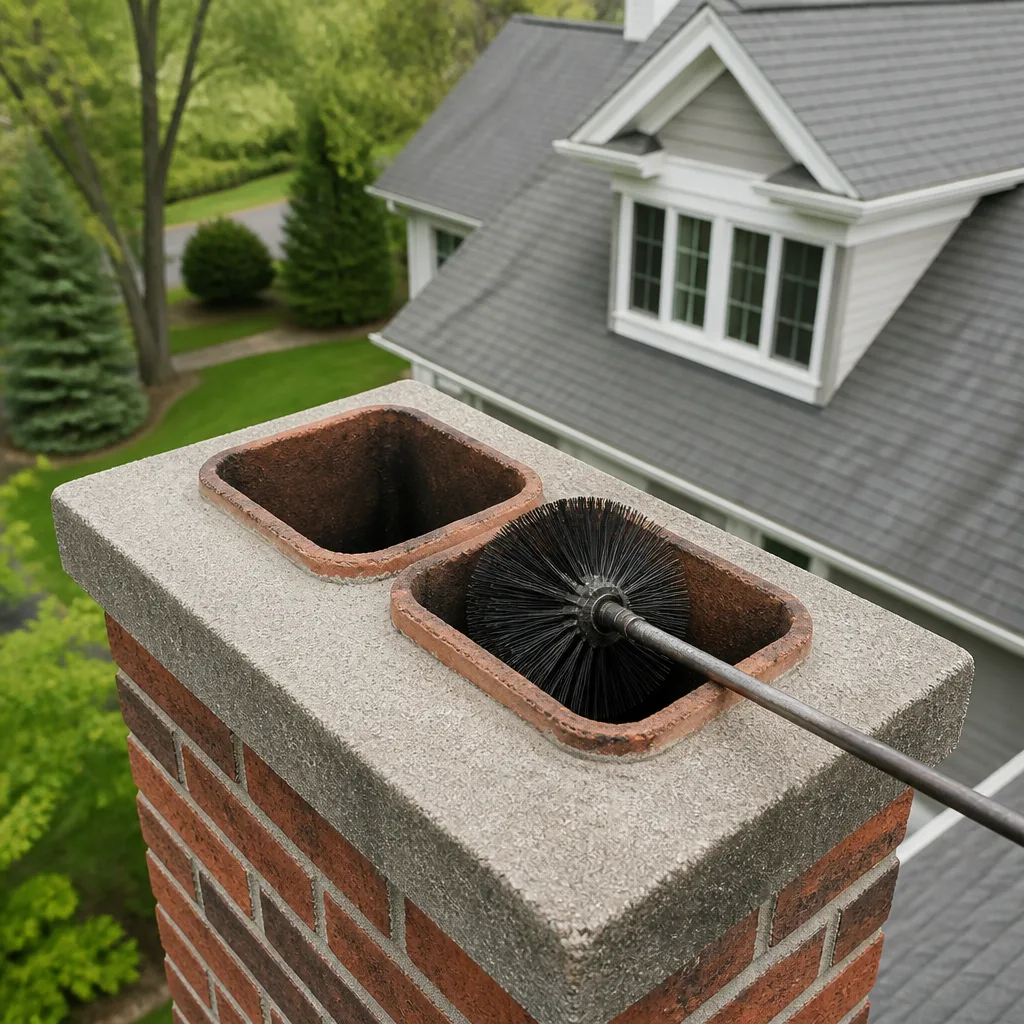
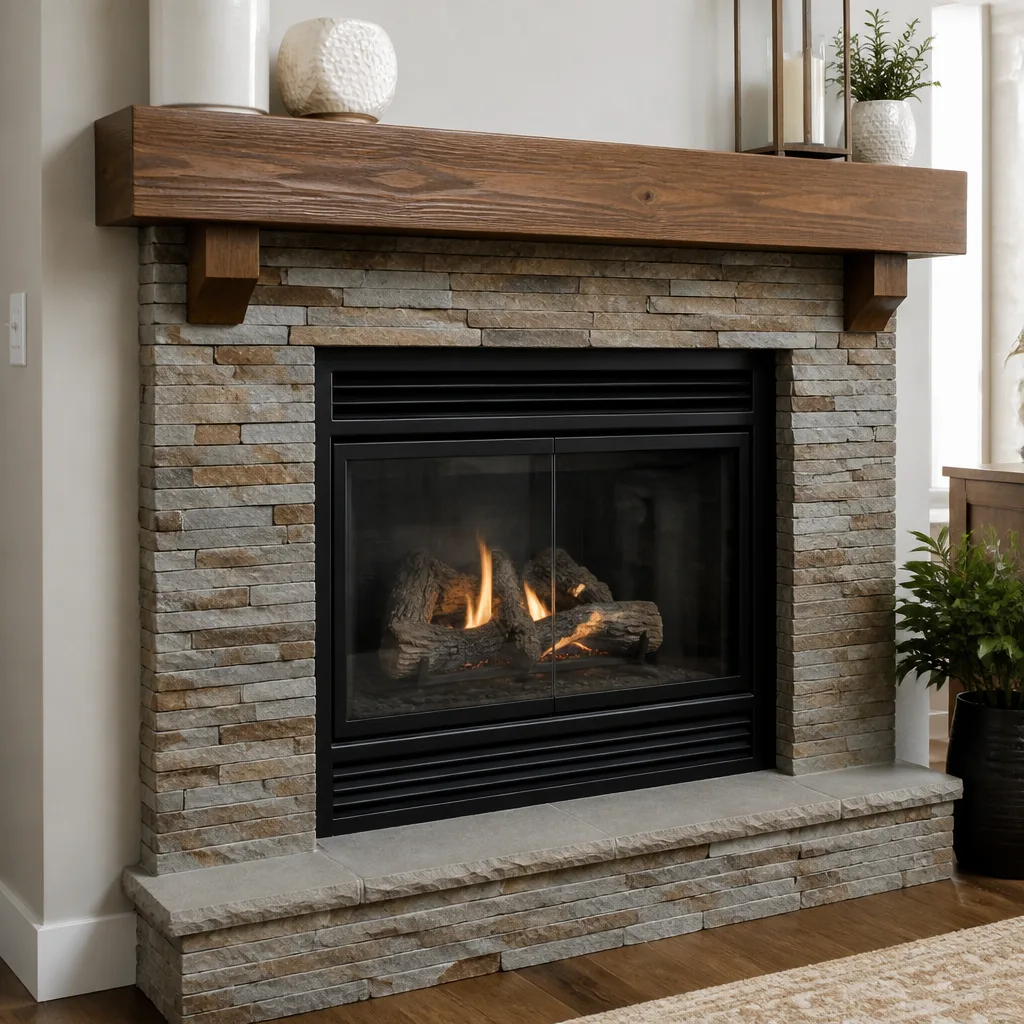
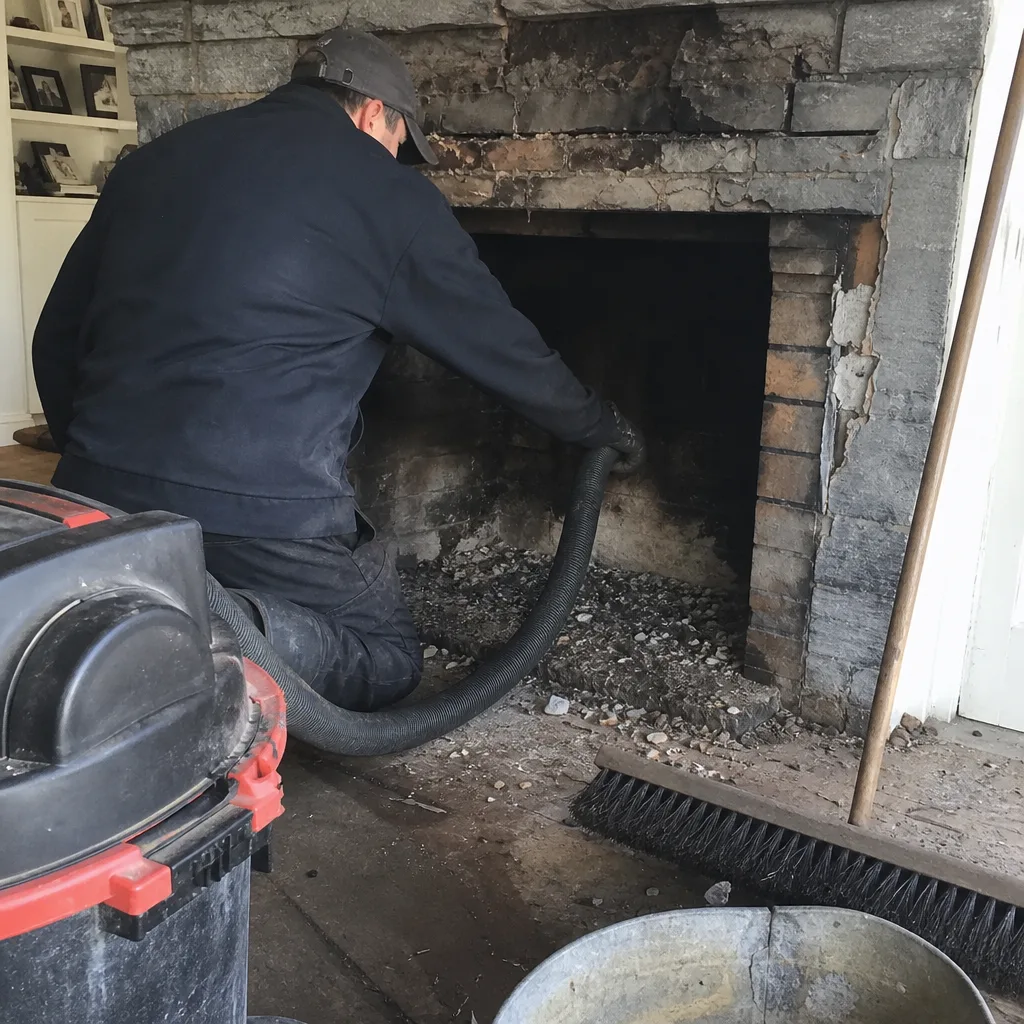 Before
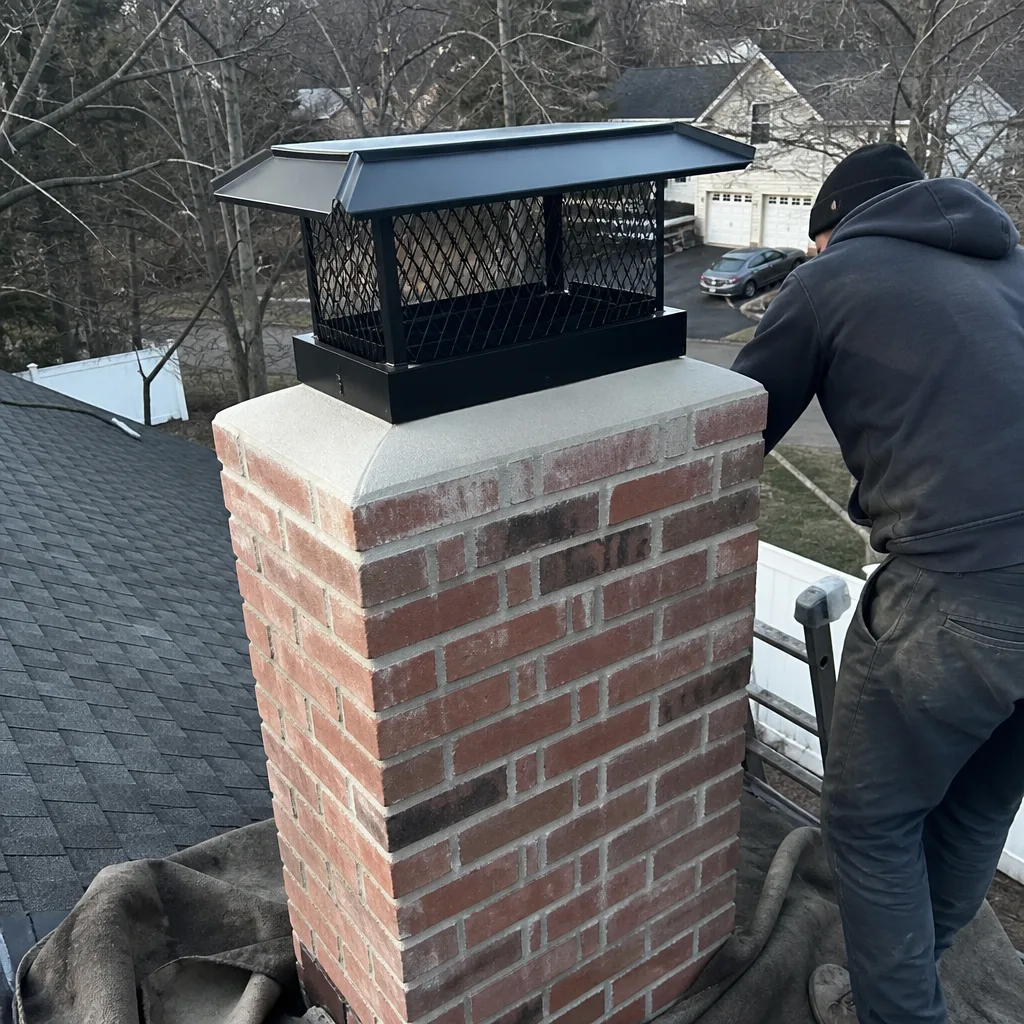 After
After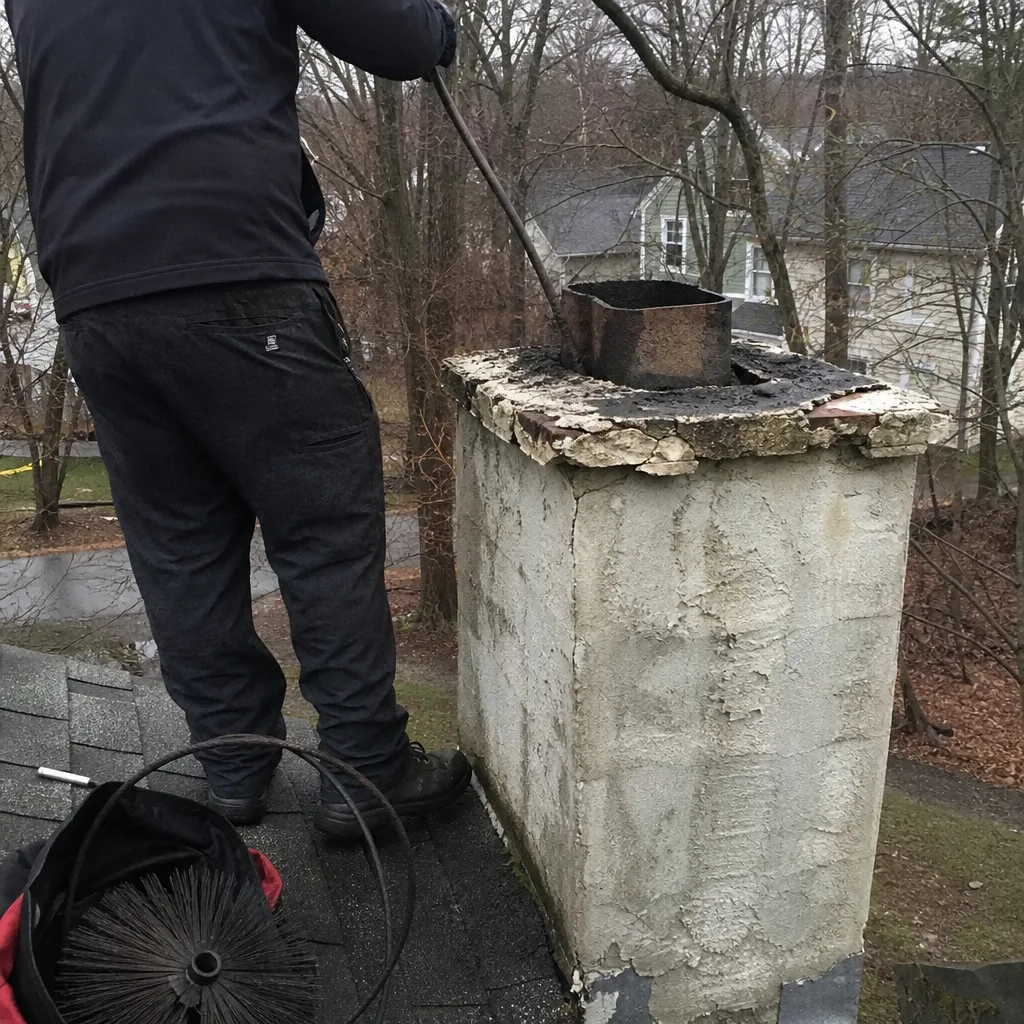 Before
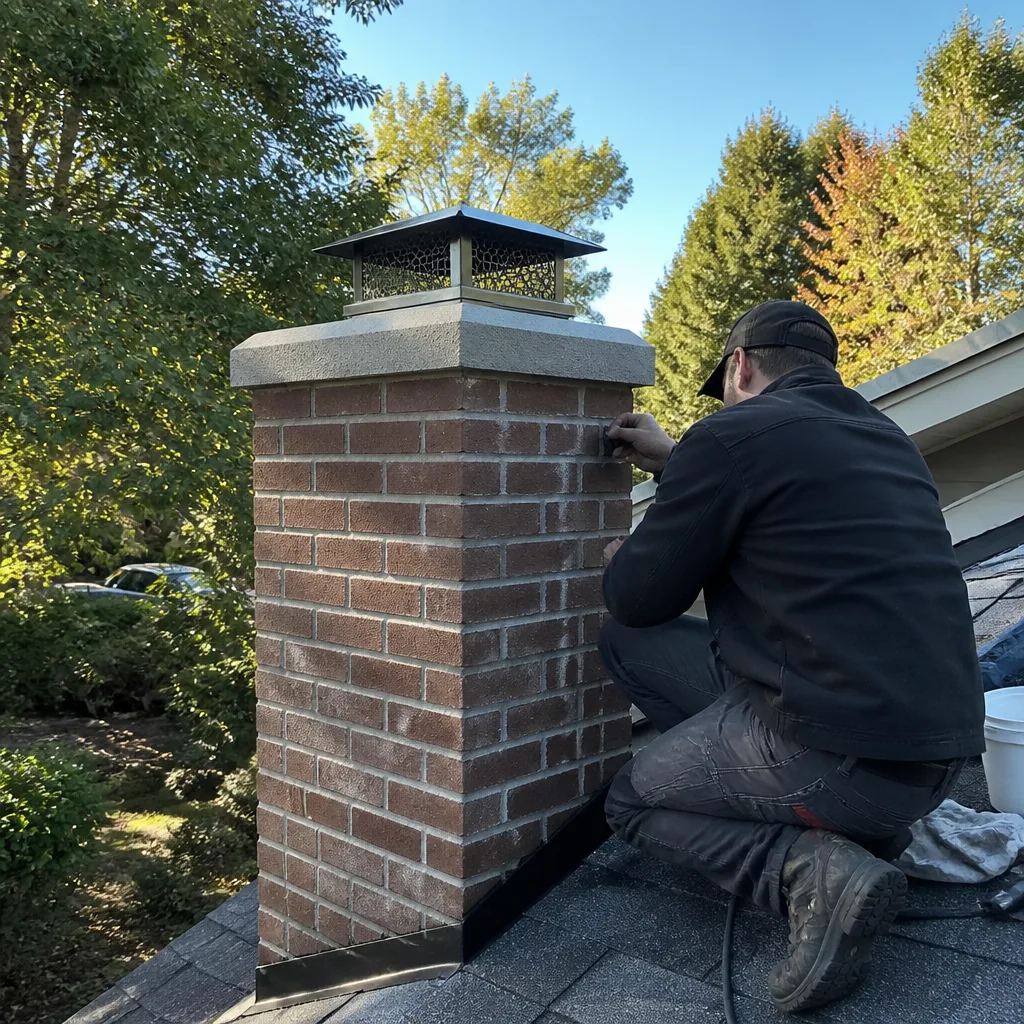 After
After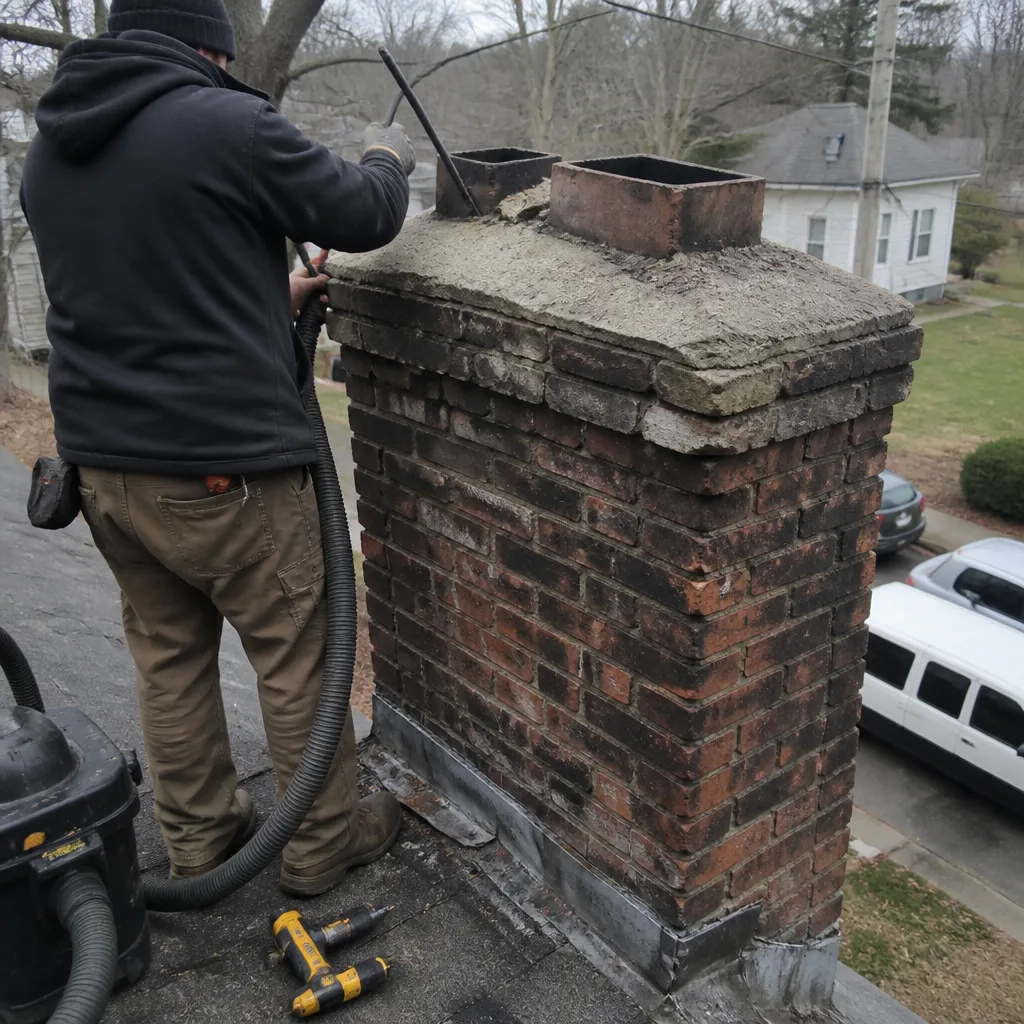 Before
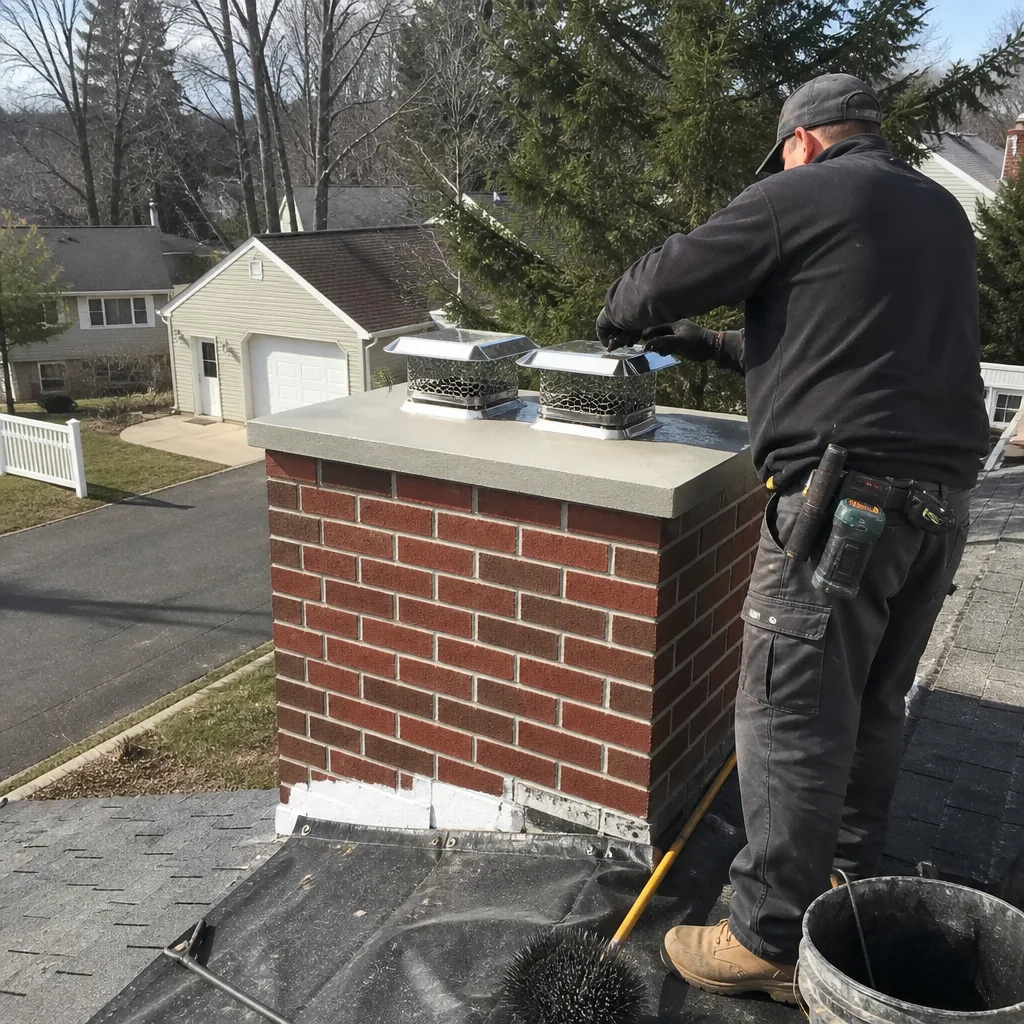 After
AfterChimney Cleaning & Sweep Maintenance Checklist for Waterbury Homeowners
Most printable chimney checklists tell you to “look for cracks,” which is a lot like a doctor handing you a stethoscope and telling you to “listen for illness.” A crack in a chimney crown matters more than a crack in the brick face below it, and a hairline fissure you can’t see from the ground can be the one that lets water in all winter. This guide - along with our Complete Guide to Chimney Cleaning in Waterbury - gives you the same mental framework Wendell Pike uses before he ever picks up a brush at a Waterbury home: what to look at, where to look, what it actually means, and when it can wait. You’ll learn the difference between cosmetic wear and structural trouble, which checks you can do safely from the ground, and how to keep a simple record so you’re not starting from scratch every September.
Quick Answer
A Chimney Cleaning & Sweep maintenance checklist for Waterbury homeowners should cover exterior masonry and cap condition, interior flue inspection, appliance-specific checks (wood stove insert, open fireplace, or gas log set), and seasonal timing - with the exterior walk-around in early September before the first fire and the post-season review in April. For most Waterbury homes, a professional chimney cleaning once a year, plus a homeowner walk-around at the start and end of each burning season, catches the freeze-thaw damage that’s common in Connecticut before it becomes a structural repair. Top Hat Chimney has been sweeping chimneys in Waterbury since 1999 and offers free estimates at (203) 439-5655.
Table of Contents
- The Exterior Walk-Around: What Freeze-Thaw Actually Does to Waterbury Chimneys
- The Interior Check: What You Can See Without a Camera, and What You Can’t
- Appliance-Specific Checks: Wood Stove Inserts, Open Fireplaces, and Gas Log Sets
- Seasonal Timing: The September Checklist and the April Checklist
- The Record-Keeping Column: Tracking Changes Year Over Year
- Understanding Creosote: What the Glaze Actually Is
- Water Intrusion: The Slow Killer of Waterbury Chimneys
- Common Mistakes to Avoid
The Exterior Walk-Around: What Freeze-Thaw Actually Does to Waterbury Chimneys
Waterbury sits right in the middle of a freeze-thaw band that punishes masonry more than almost anything else in New England. The pattern works like this: daytime temperatures climb above freezing, meltwater and rain seep into hairline openings in brick and mortar, and then nighttime temperatures drop back below 32 degrees. The water freezes, expands by roughly 9 percent, and wedges those hairline openings wider. Repeat that cycle forty or fifty times between November and March, and a pinhole becomes a crack, a crack becomes a spall, and a spall becomes a brick face lying in your yard come April. This is the single most common chimney problem we see in Waterbury - not chimney fires, not liner failure, but water working its way into masonry over repeated freeze-thaw cycles.
Here is the exact exterior sequence Wendell runs before he ever touches a brush:
- Stand at the base and look up the chimney line. Is the structure plumb? A lean of even half an inch over four feet of chimney height suggests a footing or flashing problem, and that’s a structural call, not a sweep call. You can check this roughly with a level held against the base.
- Look at the mortar joints between bricks. Run your eyes over the joints, especially the top three feet of the chimney - that’s where wind-driven rain and ice do their worst work. If the mortar looks recessed, crumbly, or has visible gaps where you can fit a flathead screwdriver blade, the pointing is failing. In Waterbury, we see this first on the north and west faces, which take the brunt of winter storms.
- Look for spalling on the brick faces. Spalling is when the surface of the brick flakes or pops off in thin layers, leaving a rough, recessed patch. It’s not just cosmetic - it means water has penetrated the brick and the freeze-thaw cycle has broken the face loose. Spalled brick holds more water, which means more freeze-thaw damage, which means the cycle accelerates.
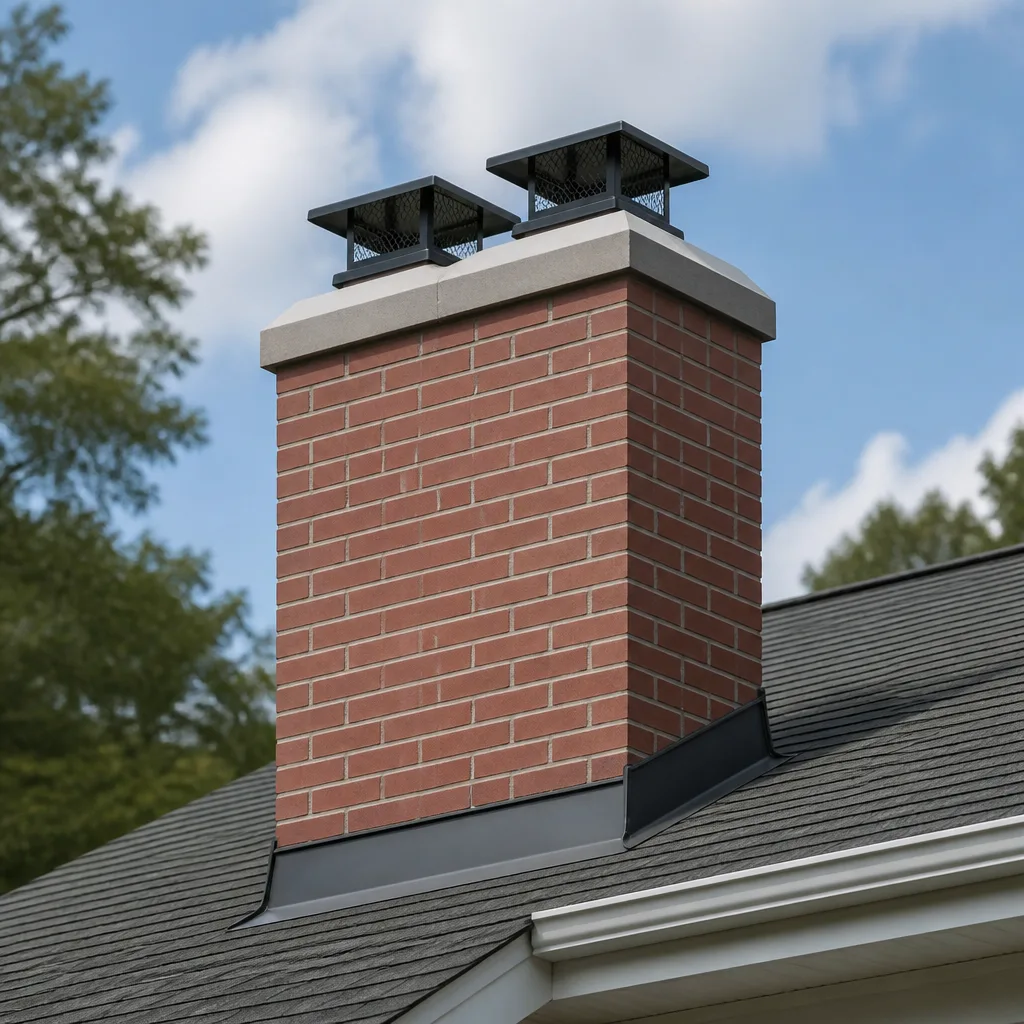
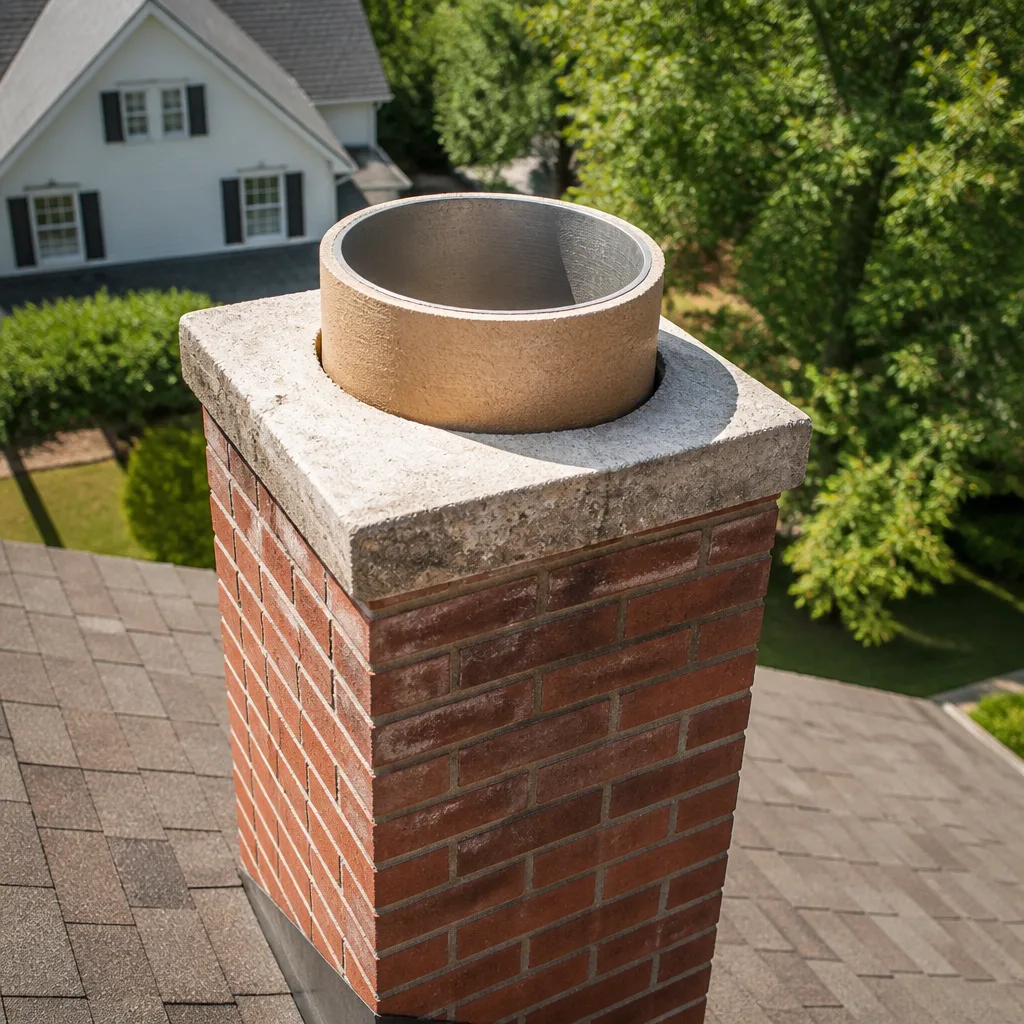
- Check the chimney crown. The crown is the concrete or mortar slab at the very top that seals the top of the chimney around the flue opening. It’s the most important exterior surface and the one most homeowners never look at. From the ground, you may see a cement cap that’s cracked, pitted, or missing pieces. Crown damage after January ice storms is extremely common across Waterbury - ice builds up, expands in cracks, and chunks break loose. A cracked crown lets water run directly down into the chimney structure, and that’s a repair that costs far less than the rebuild that follows if you ignore it.
- Check the chimney cap and spark arrestor. The metal cap that sits on top of the flue keeps rain, snow, birds, and squirrels out. If the cap is missing, rusted through, or tilted, you’ve got an open flue inviting water and animals. A replacement cap from brands like Copperfield or Gelco is a simple fix; a water-damaged flue liner is not.
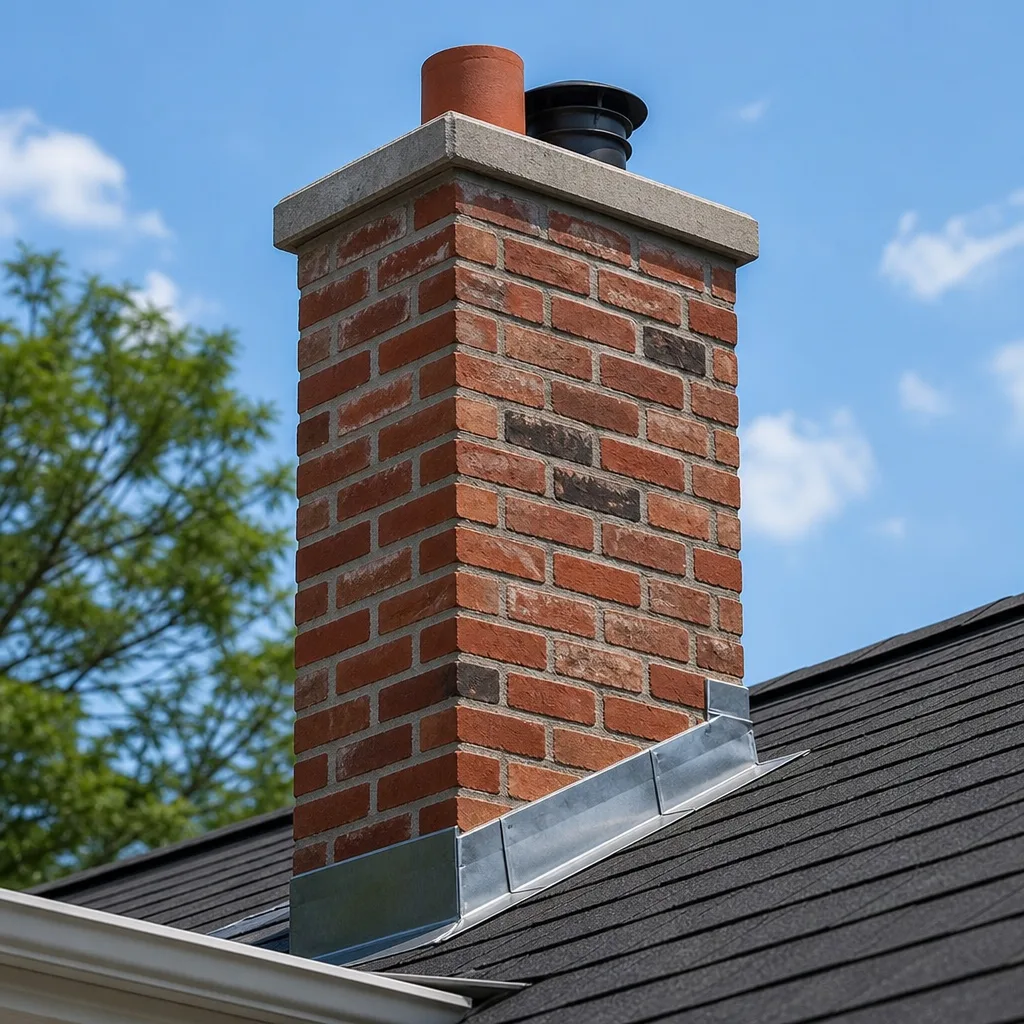
- Look at the flashing where the chimney meets the roofline. Flashing is the metal seal that runs around the chimney base. From the ground, look for lifting, rusting, gaps, or old caulk peeling away. Flashing fails slowly, and it’s the second-biggest water entry point after the crown.
If all of that sounds like a lot, the short version is: look at the top third of the chimney twice as hard as the bottom two thirds. That’s where Waterbury’s weather does the damage.
The Interior Check: What You Can See Without a Camera, and What You Can’t
The inside of a chimney is a deep, dark shaft, and the honest truth is that a homeowner can’t see much of it without a camera and a light source that reaches twenty feet up. But there are things you can check from inside the house that tell you whether a professional inspection is urgent or routine.
Start with these homeowner-safe interior checks:
- Open the damper and look up with a strong flashlight. What you’re looking for is not a perfect view - you’re looking for obvious problems: a heavy accumulation that looks like black, crusty, or shiny tar on the flue walls; a flue tile that’s cracked or missing; a damper that’s rusted and seized. If you can’t see the damper clearly or it doesn’t open and close smoothly, that’s a problem worth a call.
- Run your hand (when the fireplace is completely cold) along the firebox walls and floor. Feel for crumbling mortar, loose firebrick, or gaps where the firebox meets the floor. The firebox takes the direct heat of every fire, and deteriorated firebrick exposes the framing behind it to heat it was never designed to take.
- Check for water stains on the ceiling around the chimney chase or the ceiling near the fireplace. Brown rings or paint peeling around the chimney area usually mean water is getting in somewhere in the chimney system. It might be the crown, the flashing, or a cracked flue - but water inside means a problem you don’t want to postpone through another winter.
- Sniff the fireplace in July. A properly functioning chimney doesn’t smell in the off-season. If you get a damp, musty, smoky odor coming from the fireplace in summer, it usually means creosote is absorbing humidity and off-gassing, which means it’s time for a cleaning - burn or no burn.
- Look at the smoke chamber if you can see it. That’s the angled area just above the damper. It’s often the most creosote-loaded section of the chimney because smoke slows and cools there. You may not be able to see much, but if you see heavy black deposits, a professional cleaning and camera inspection is the right next step.
What you cannot safely or practically check yourself: the full length of the flue interior, the condition of the flue liner (especially if it’s clay tile), the smoke chamber in detail, and anything above the roof line from the inside. That’s where a professional chimney sweep with a camera system comes in. We run a camera up every flue we clean in Waterbury, and we show you the footage before we tell you anything is wrong. The camera footage and a plain-English verdict - every time, no exceptions.
If you want to get a head start on the interior before calling someone, our Chimney Cleaning & Sweep in Waterbury page walks through what a professional sweep includes and what a camera inspection shows.
Appliance-Specific Checks: Wood Stove Inserts, Open Fireplaces, and Gas Log Sets
Your flue doesn’t care how the fire looks. It cares how it breathes. But different appliances put different loads on a chimney, and what you check on a wood stove insert is not what you check on a gas log set. Here’s the breakdown for Waterbury homes with each common setup.
Open Masonry Fireplace
This is the classic Waterbury colonial or Cape setup, and it’s the one that needs the most frequent attention. Open fireplaces burn wood inefficiently - a lot of the heat goes up the flue, and with it a lot of creosote-forming smoke.
- Check the firebrick and mortar in the firebox before the first fire each year. Hairline cracks in firebrick are normal and generally cosmetic; missing chunks or gaps you can fit a finger into are not.
- Inspect the damper for rust, warping, or seized hinges. A damper that doesn’t close tightly lets heated house air escape all winter, and one source estimates that an open damper can cost $200 or more per heating season in lost heat.
- Check the hearth clearance. Combustibles (rugs, furniture, firewood stacks, newspapers) should sit at least 36 inches from the fireplace opening. A stray ember can travel farther than you think.
- Look for the “smoke rollout” test. This is a real diagnostic: on a cold day with no fire lit, hold a lit incense stick or a piece of newspaper smoke near the fireplace opening and watch which way the smoke goes. If the smoke pulls into the fireplace and rises, the draft is working. If it drifts into the room, the chimney is likely cold, blocked, or in need of cleaning.
Wood Stove Insert
Wood stove inserts are more efficient than open fireplaces, which means they produce less creosote per cord of wood - but they also run hotter and can hide problems longer. We see plenty of inserts in Waterbury’s older neighborhoods, especially in homes built before central heating was upgraded.
- Check the gasket seals on the door. A dollar bill closed in the gasket should pull out with firm resistance all the way around the door. If it slides out easily in spots, the gasket is worn, and a worn gasket lets in too much air, which changes the burn temperature and increases creosote formation.
- Check the firebrick and baffle inside the insert. The baffle is a metal or ceramic plate near the top of the firebox that redirects heat for a secondary burn. Baffles warp and crack over time, and a failed baffle makes the insert run inefficiently and produces more creosote.
- Inspect the liner connection. An insert should be connected to the flue with a stainless steel liner, not venting into the open smoke chamber. If you can see daylight or gaps around the connection, or if the liner looks corrugated and crushed, call for an inspection. We install and service DuraFlex liners in Waterbury, and a proper liner is the difference between a safe insert and one that’s heating the framing around the fireplace.
Gas Log Set
Gas logs get the least respect in most chimney checklists, because everyone assumes gas burns clean. It doesn’t create creosote like wood, but gas combustion produces acidic condensation that attacks flue liners, especially in older clay-tile chimneys.
- Check that the damper is clamped open if the gas logs are vented. A gas log set should never be run with the damper closed, even though gas doesn’t create visible smoke - carbon monoxide is invisible, and a closed damper sends it into the house.
- Look for white or gray deposits on the flue walls or visible corrosion on the damper and firebox metal. Acidic condensation is a slow, quiet problem, and an older chimney with a gas log set may need more frequent visual checks, not fewer.
- Check the manufacturer’s clearance and installation requirements. Gas logs must be sized to the firebox and installed according to the manufacturer’s venting requirements. If you’re not sure whether the set was installed correctly, have it looked at.
For more detail on maintaining and servicing each appliance type, see our Fireplace Services in Waterbury page.
Seasonal Timing: The September Checklist and the April Checklist
Once a year, burn or no burn. Chimneys break in the off-season too. That’s the rule Wendell has been repeating since 1999, and Waterbury’s weather is exactly why: the wet, freeze-thaw months do as much damage as the burning months do, and you catch different problems at different times of year.
The September Checklist (Before the First Fire)
- Run the full exterior walk-around described above: brick faces, mortar joints, crown, cap, and flashing. After a Connecticut summer of humidity and thunderstorms, new cracks may have opened.
- Do the interior homeowner checks: damper operation, firebox condition, water stains, off-season odor.
- Check the cap and spark arrestor for bird nests, squirrel debris, or leaf blockage from the fall. Waterbury’s trees drop a lot of material, and a nest built over the summer can turn the first fire into a smoky, drafting disaster.
- Schedule the professional chimney cleaning if the chimney hasn’t been swept in the past 12 months, or if you see heavy creosote, or if you’re not sure when it was last done. September is the right time in Waterbury - you’re not competing with the rush that comes after the first cold snap, and any problems can be fixed before burning season starts. Top Hat Chimney offers no trip charge for calls inside the county, and a live person answers the phone twenty-four hours a day at (203) 439-5655.
The April Checklist (After the Season Ends)
- Re-run the exterior walk-around. The freeze-thaw damage from the past winter will now be visible: spalled brick, widened mortar joints, a chunk missing from the crown. April is when Waterbury homeowners see what the winter actually did.
- Check for water infiltration signs inside: new water stains on the ceiling, damp smell, crumbling firebox mortar. Water intrusion that started in January often shows up as visible damage by spring.
- Clean out the firebox ash completely before summer humidity sets in. Ash is acidic and draws moisture, which corrodes metal firebox components and accelerates mortar deterioration. Remove the ash, but leave the damper open slightly for summer airflow if your setup allows it safely.
- Check the cap and chase cover for rust or storm damage from winter ice and wind. Ice storms in Waterbury take a toll on exposed metal.
- Make notes for next season. Write down what you observed, any repairs you scheduled, and any changes since last year. That record is the difference between guessing and knowing.
This twice-a-year rhythm catches most problems while they’re still small. A chimney that gets a September walk-around and an April review is a chimney that rarely surprises its owner with a four-figure repair bill.
The Record-Keeping Column: Tracking Changes Year Over Year
Most chimney checklists are one-time tools. You print them, you check the boxes, you throw them away, and next year you start from scratch with no memory of what you saw last September. That’s the flaw this guide is designed to fix.
Here’s a simple record-keeping system that takes less than ten minutes per walk-around:
- Photograph the chimney from the ground at the same two angles every time: one from the front of the house, one from the side where the chimney is most visible. A smartphone photo is good enough. Twelve months later, you’ll have a direct visual comparison of any changes.
- Note the date, the condition of the crown, the condition of the mortar joints, and any spalling in a simple note on your phone or a paper card kept near the fireplace. Use the same terms each time so the comparison is apples-to-apples: “Crown: small crack on west edge, about 1 inch long, no change from last year.” “North face mortar: minor erosion, no change.”
- Record the date of the last professional cleaning and any findings from the camera inspection. When the sweep runs the camera and shows you the footage, write down the date of the cleaning and what was found. If a liner issue was noted, a year-old note telling you it hasn’t progressed is worth its weight in fireplace ash.
- Track any water stains, odors, or draft changes by date and severity. A faint musty smell noted in July that gets worse by September tells you something specific: water is entering and not drying out.
The point of all this record-keeping is not to turn you into an amateur chimney inspector. It’s to give you a baseline so that when a professional tells you something has changed, you know whether it changed last winter or whether it’s been sitting there for the past ten years. It also makes every professional visit faster and more productive, which saves you money in the long run. When Wendell arrives at a Waterbury home and the homeowner hands him a note card with two years of observations, the whole job goes smoother.
Understanding Creosote: What the Glaze Actually Is
Creosote is the reason chimney cleaning exists. It’s the black, tar-like substance that condenses on flue walls when wood smoke cools too quickly before it exits the chimney. But not all creosote is equal, and knowing the difference changes how urgent your cleaning is.
Creosote is generally classified in three stages:
- First-degree creosote: black, dusty, flaky soot that brushes off easily. This is normal accumulation from wood fires, and it’s what a professional chimney sweeping removes during a routine cleaning. It’s not an emergency, but it shouldn’t be left to build up year after year.
- Second-degree creosote: crusty, tar-like flakes that stick to the flue walls. This forms when the chimney runs cooler, perhaps from burning green wood or from a chimney on an exterior wall in a cold Connecticut winter. It’s harder to remove than first-degree and can contribute to a chimney fire if it builds up thickly.
- Third-degree creosote: a hard, shiny, glass-like glaze that fuses to the flue liner. This is what forms after a flue has been running hot and then has creosote baked into a dense layer. Third-degree creosote is a serious fire risk and can’t be brushed off - it often requires chemical treatment or a professional-grade rotary cleaning system.
First-degree creosote is a brush job. Third-degree is a glaze - catch it early. That’s one of Wendell’s favorite refrains, and it’s the best single sentence on the economics of chimney maintenance. A routine sweep costs a fraction of what you’ll pay to treat or remove glazed creosote, and the chimney fire risk is on a completely different scale. In Waterbury’s older housing stock, where flues may have been in service for forty or fifty years, third-degree creosote is not rare. If you haven’t had the chimney cleaned in several years and you burn wood regularly, assume the creosote has advanced beyond first-degree and schedule a professional assessment.
Our Chimney Repair in Waterbury page explains what’s involved when creosote damage or liner damage has moved beyond a routine cleaning.
Water Intrusion: The Slow Killer of Waterbury Chimneys
More chimneys in Waterbury are damaged by water than by fire. It’s not a close contest. Water is slow, quiet, and relentless, and by the time you see a stain on the living room ceiling, the water has often been working inside the chimney for months or years.
The three primary water entry points, in order of frequency in Waterbury, are:
- The chimney crown. The crown is the flat or gently sloped concrete slab at the top of the chimney, and it should extend beyond the chimney face by at least two inches on all sides, with a drip edge, so water sheds away from the brick. Crowns built too small, without overhang, or without proper concrete formulation crack and erode under freeze-thaw, and those cracks channel water directly into the chimney core. Crown damage after ice storms is one of the most common repair calls we get each spring.
- The flashing. The metal seal around the chimney base at the roofline is exposed to wind, rain, and temperature changes more than any other chimney component except the crown. Flashing that lifts, rusts, or separates lets water run down the chimney chase inside the house. Old caulk that cracked and peeled is a common culprit.
- The masonry itself, via spalled brick and eroded mortar joints. Water doesn’t just sit on the surface of brick; it soaks in through pores and small cracks. Once the freeze-thaw cycle starts spalling and the mortar starts eroding, the face of the chimney becomes an open sponge.
What this means for your checklist is that every exterior walk-around, in September and April, should prioritize crown, flashing, and mortar joints. If you catch crown cracking when it’s a hairline, the fix is a professional resurfacing or rebuild of the crown - a few hundred dollars. If you catch it two years later, when water has frozen and thawed its way through the chimney core and the flue liner is cracked, you’re looking at a liner rebuild or a partial chimney rebuild, and the price has multiplied. Products like HeatShield resurfacing can restore flue integrity in some cases, but the better strategy is never to need the restoration in the first place.
Common Mistakes to Avoid
- Burning green or unseasoned wood and wondering why the chimney gets dirty so fast. Green wood produces cooler, smokier fires, which means more creosote condensation in the flue. In Waterbury’s humid climate, wood needs at least 12 months of proper seasoning. Burning green wood is the single most common reason we see excessively dirty flues in homes that only burn occasionally.
- Ignoring the chimney because you don’t burn often. A fireplace that gets three fires a year still gets damp, still absorbs humidity, and still hosts animals. The chimney doesn’t stop needing attention because you burned less. Once a year, burn or no burn.
- Painting or sealing the brick as a DIY fix for spalling or water penetration. Paint and non-breathable sealants trap moisture inside the brick, making freeze-thaw damage worse, not better. The right fix for a water-absorbing chimney is a professional water repellent that allows vapor to escape, not a coat of latex paint.
- Closing the damper too early after a fire and going to bed. Embers can smolder for hours and release carbon monoxide into the house. Wait until the fire is completely out and the ashes are cool before closing the damper.
- Skipping the cap because you don’t think birds and squirrels are a problem. Waterbury has plenty of wildlife that would love a warm, dry chimney. A missing cap means an open flue, and an open flue means water, animals, and debris. A simple cap from Copperfield or Gelco is one of the cheapest protective measures you can buy.
- Assuming a gas log set means you never need the chimney cleaned or inspected. Gas combustion produces acidic condensation that corrodes flue liners over time. Gas log chimneys need visual checks and cleanings too, just for different reasons than wood chimneys.
- Hiring the cheapest sweep without checking who actually shows up. The chimney industry in Connecticut has its share of outfits that send a subcontracted stranger who quotes one price on the phone and another at the door. Check for a published name, a license number, and a local address. Ask anyone on your street who they use.
When to Call a Professional
Call a chimney professional when you see heavy creosote accumulation you can’t brush off; when the crown is cracked, pitted, or missing chunks; when you notice new water stains on the ceiling near the chimney; when a chimney has gone two or more years without cleaning; when an appliance insert’s liner connection looks compromised; or when you smell a musty odor coming from the fireplace in summer. Any of these conditions means something is happening inside the chimney that a homeowner can’t fully diagnose from the ground. Top Hat Chimney has been serving Waterbury since 1999, and Wendell Pike puts his name on every job. We offer free estimates in Waterbury - call (203) 439-5655. A live person answers, around the clock, and the price you hear on the phone is the price on the invoice.
Frequently Asked Questions
At least once a year, burn or no burn, and more often if you burn wood regularly - say, more than a cord per season - or if you notice heavy creosote buildup, drafting problems, or a smoky odor in the off-season. Waterbury’s damp New England climate and freeze-thaw cycles make off-season moisture a real factor, so an annual professional cleaning and inspection is the baseline. Call (203) 439-5655 for a free estimate on chimney cleaning in Waterbury.
In Waterbury, a standard chimney cleaning and inspection typically ranges from $175 to $350, depending on the fireplace type, appliance setup, flue length, and how much creosote has accumulated. A wood stove insert with a stainless liner is usually a different job than an open masonry fireplace. Top Hat Chimney offers upfront, no-hassle pricing before a single tool comes off the truck - the number you hear on the phone is the number on the invoice. Call (203) 439-5655 for an exact quote; estimates are free.
Creosote accumulates, hardens from first-degree soot to second-degree tar to third-degree glaze, and the risk of a chimney fire rises sharply. Water damage is also more likely to go unnoticed, since the annual walk-around is the main way homeowners catch crown cracks and flashing failures early. A chimney that goes three or four years without professional cleaning often needs a much more expensive service than a routine sweep by the time it’s finally addressed. Call (203) 439-5655 to schedule an inspection and find out what the camera reveals before it becomes a bigger repair.
You can brush a chimney yourself if it’s a straight, single-story flue and you have the proper equipment, safety harness, and drop cloths - but the risk of a fall from a Waterbury rooftop, a broken flue tile, or an incomplete job is high. A professional chimney sweep is a trained trade for a reason, and a trained sweep also runs a camera inspection, which is the only way to see the full flue interior. In our experience, DIY chimney cleaning ends up costing more when a missed problem turns into a structural repair.
A cracked or deteriorating flue liner is not a cosmetic issue - it lets heat, sparks, and combustion gases reach the surrounding masonry and framing. If a camera inspection shows cracked clay tiles or a liner that’s spalling and flaking, the liner needs attention. Some cases can be restored with HeatShield resurfacing rather than a full replacement, but a full stainless liner from DuraFlex is the standard fix for many Waterbury chimneys. Top Hat Chimney offers a free second opinion on any written estimate, so if someone else told you a liner replacement is necessary, call (203) 439-5655 and Wendell will show you the camera footage and give you a plain-English verdict.
Yes, though for different reasons than a wood-burning chimney. Gas combustion produces acidic condensation that corrodes clay flue liners and metal components over time, and the damper and cap still collect debris and animal activity during the off-season. A gas log chimney in Waterbury should be inspected regularly to verify the damper is properly clamped open, the flue is clear, and acidic corrosion hasn’t damaged the liner. Call (203) 439-5655 to schedule a gas fireplace inspection.
The Bottom Line
A chimney maintenance checklist only works if it matches the actual conditions in Waterbury: freeze-thaw cycles that crack crowns and spall brick, humid summers that draw moisture into masonry, and older housing stock where flues have decades of history behind them. Run the exterior walk-around twice a year, in September before the first fire and in April after the last one. Understand what creosote looks like and why it matters. Check the specific components that match your appliance setup, whether it’s an open fireplace, a wood stove insert, or a gas log set. Keep a simple record with photos and notes. And when something looks wrong - or when it’s been more than a year since a professional camera inspection - call someone who will tell you the truth. For more guides & resources, visit our blog. Top Hat Chimney has been serving Waterbury since 1999, with upfront pricing and free estimates. Reach Wendell Pike’s crew at (203) 439-5655.
Written by Wendell Pike, Owner at Top Hat Chimney, serving Waterbury since 1999.