
Last updated September 10, 2026
Level 1 sweep and inspection to the NFPA 211 annual standard - flue, crown, cap, and flashing checked and photographed
Chimney sweep logs do not sweep chimneys. They loosen some creosote - which then falls where a brush and vacuum still have to collect it.
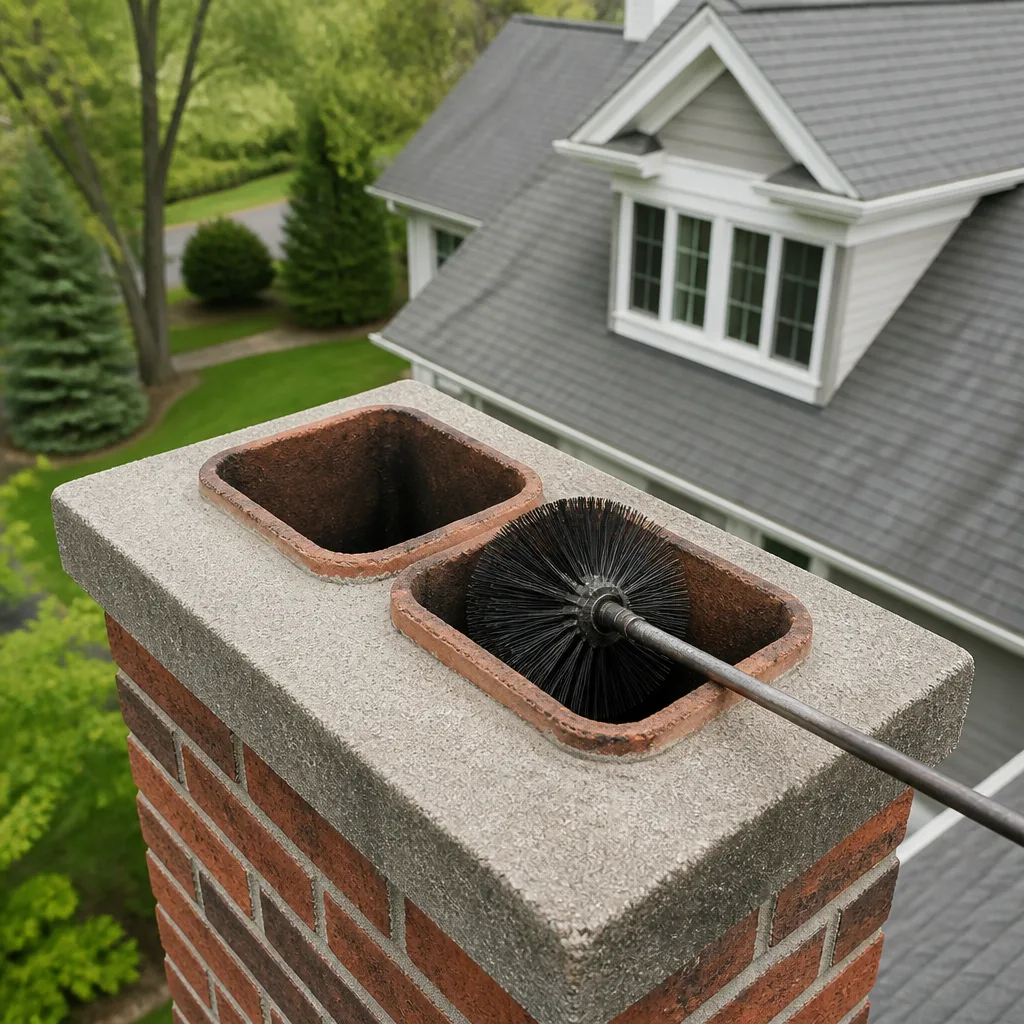
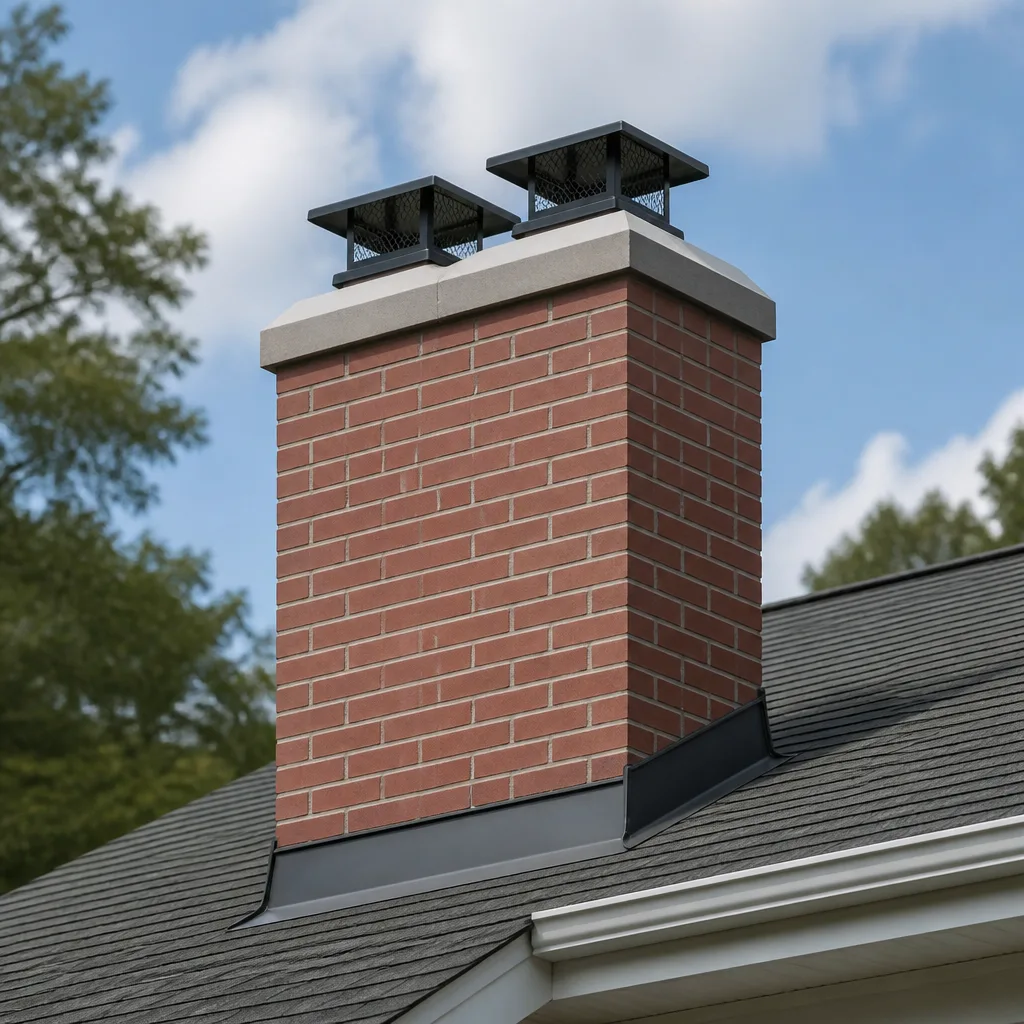
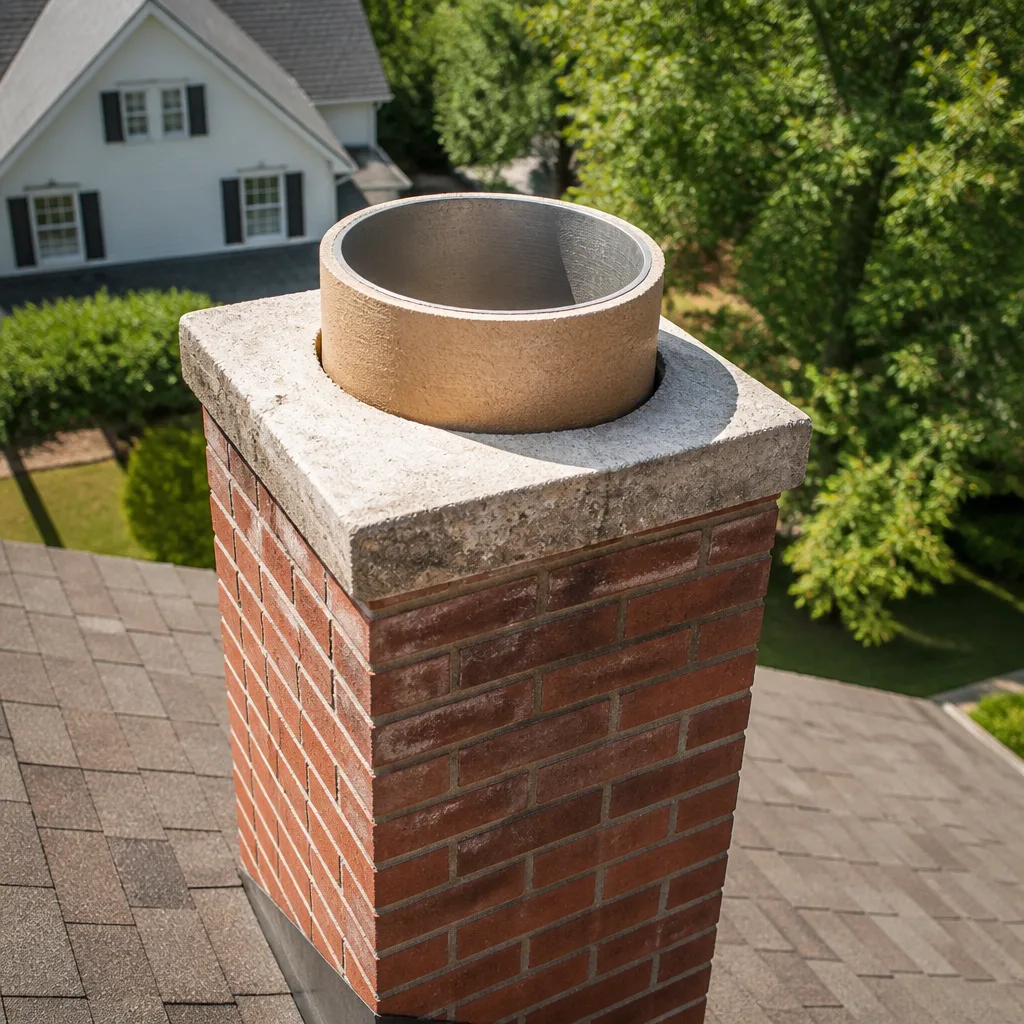
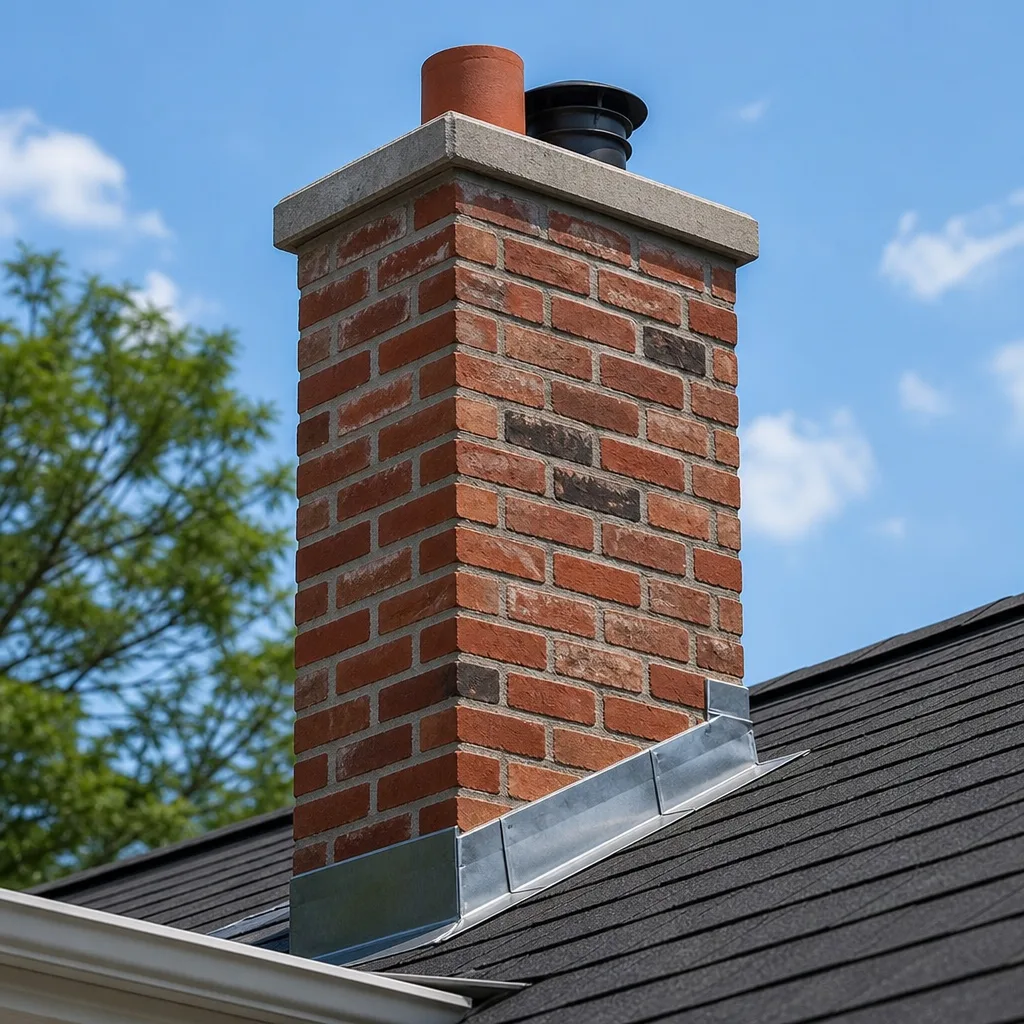
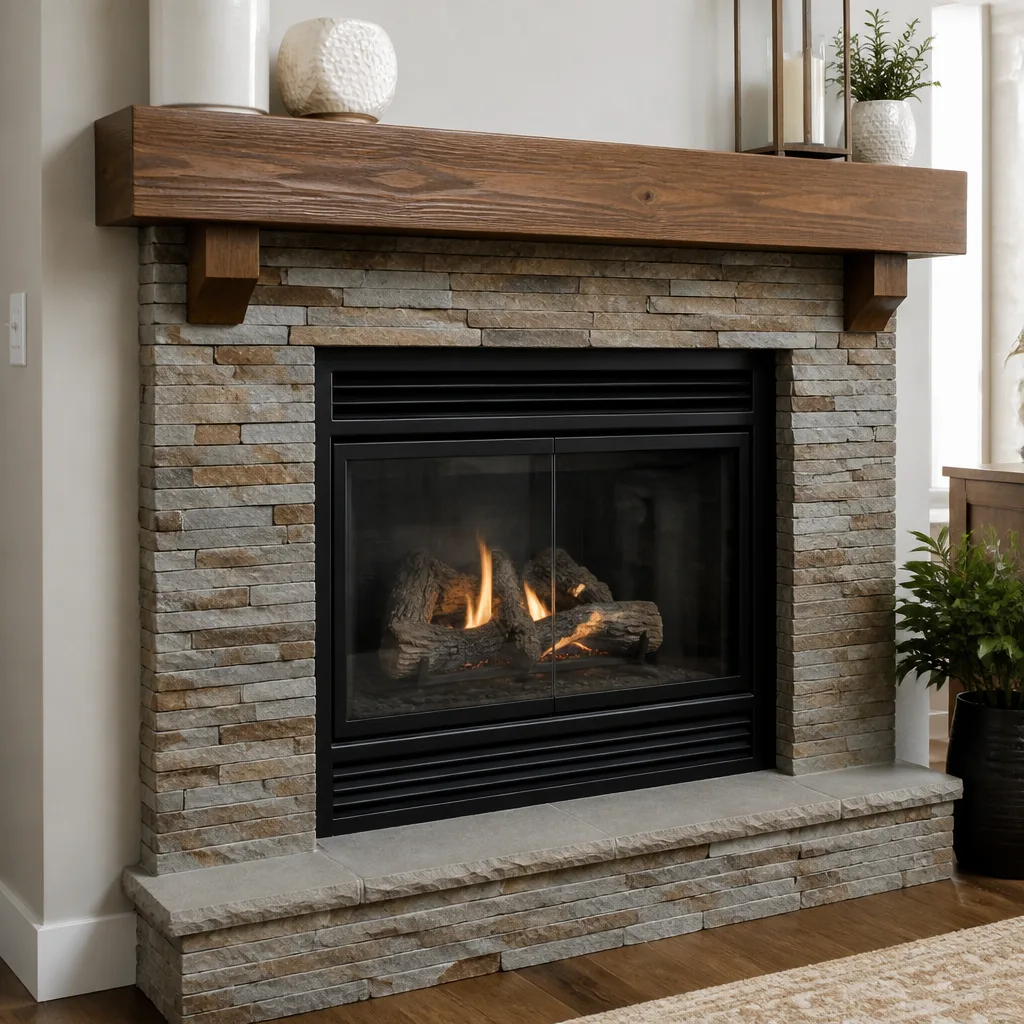
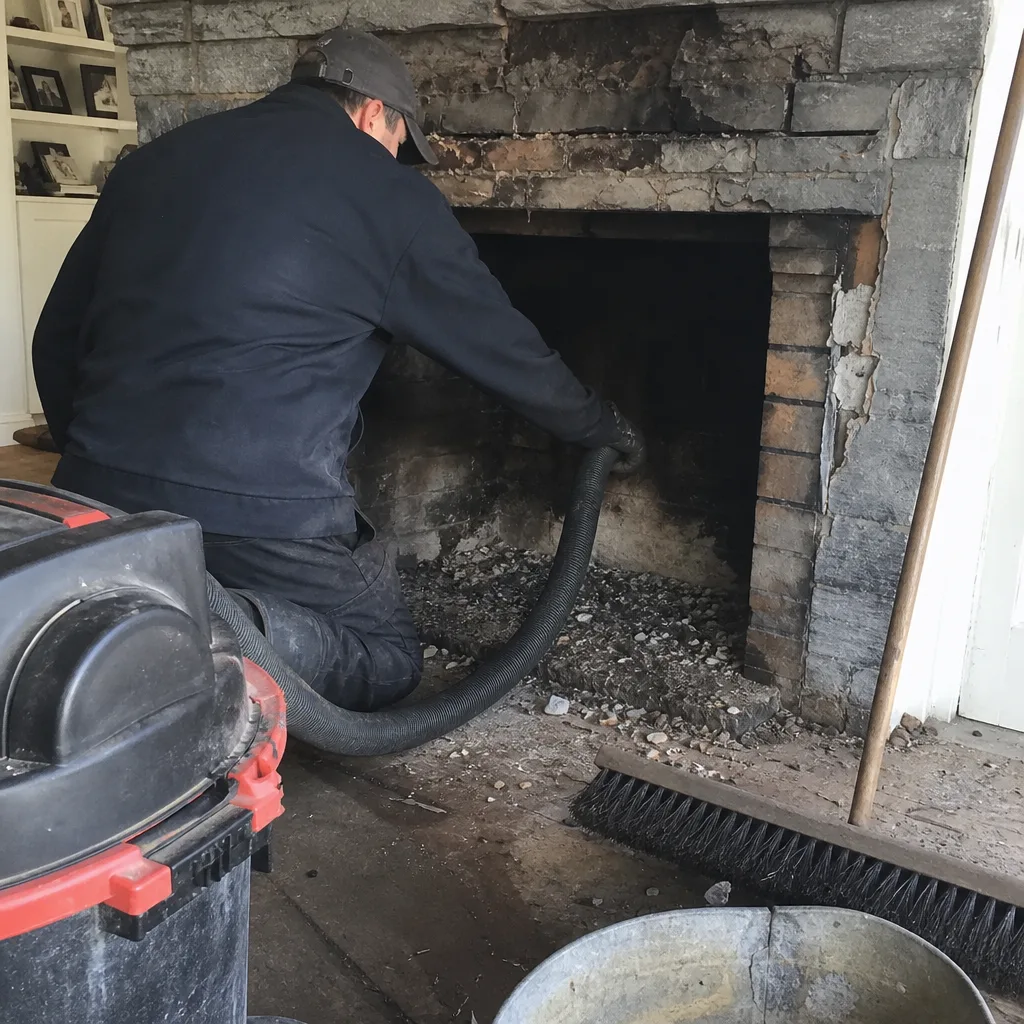 Before
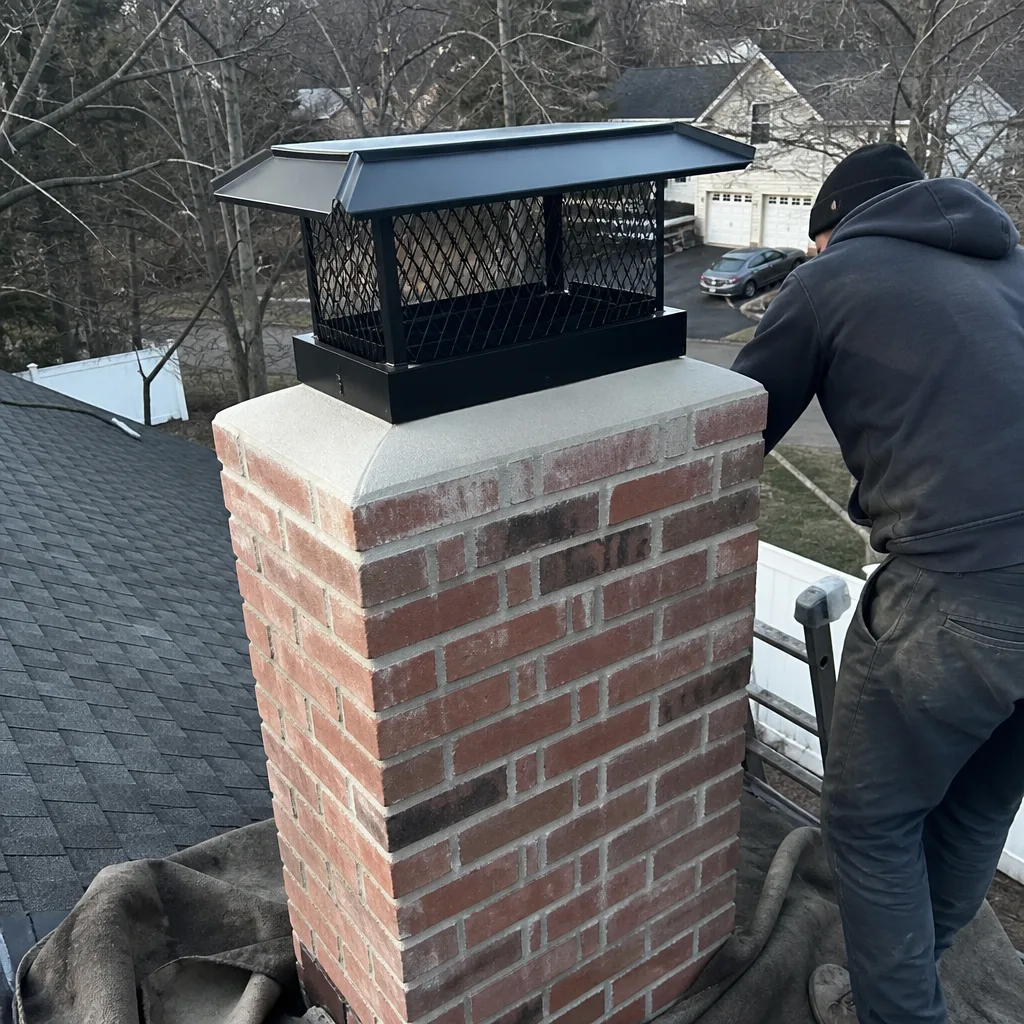 After
After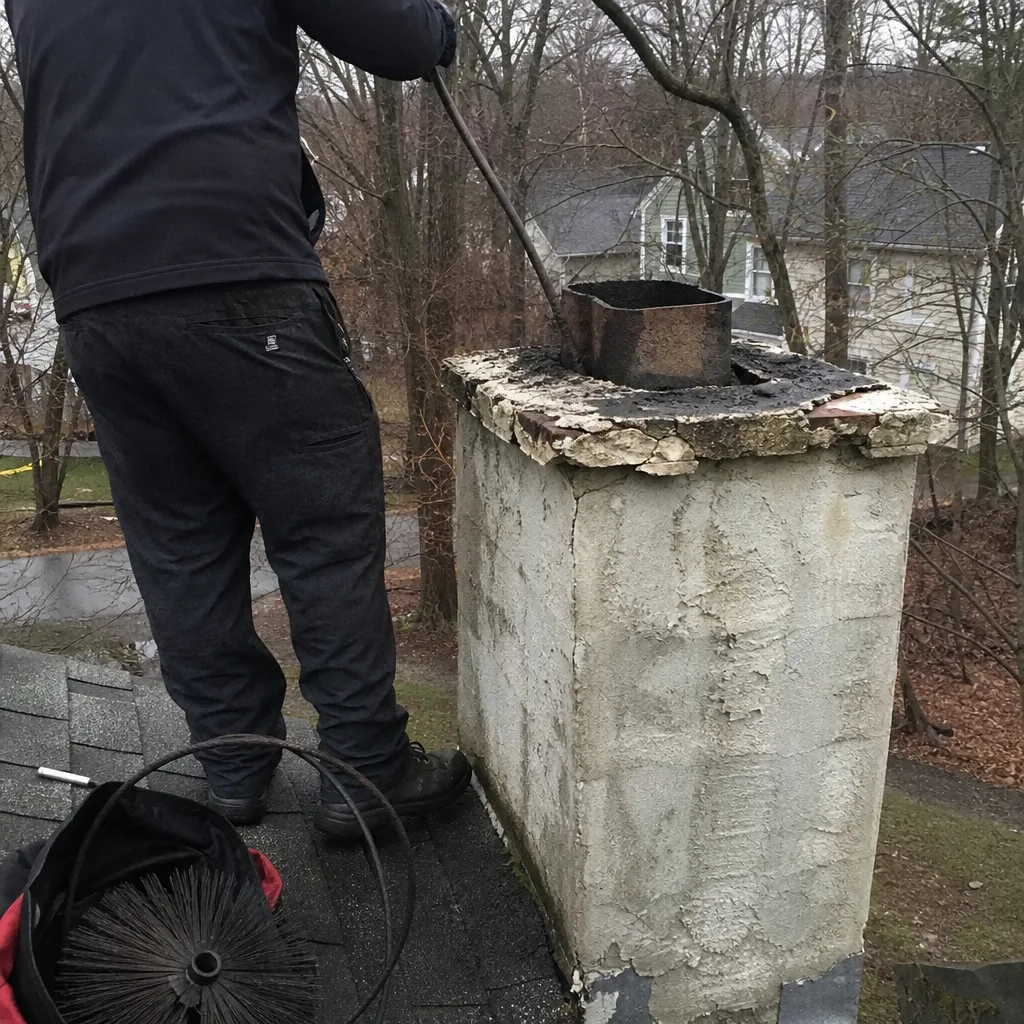 Before
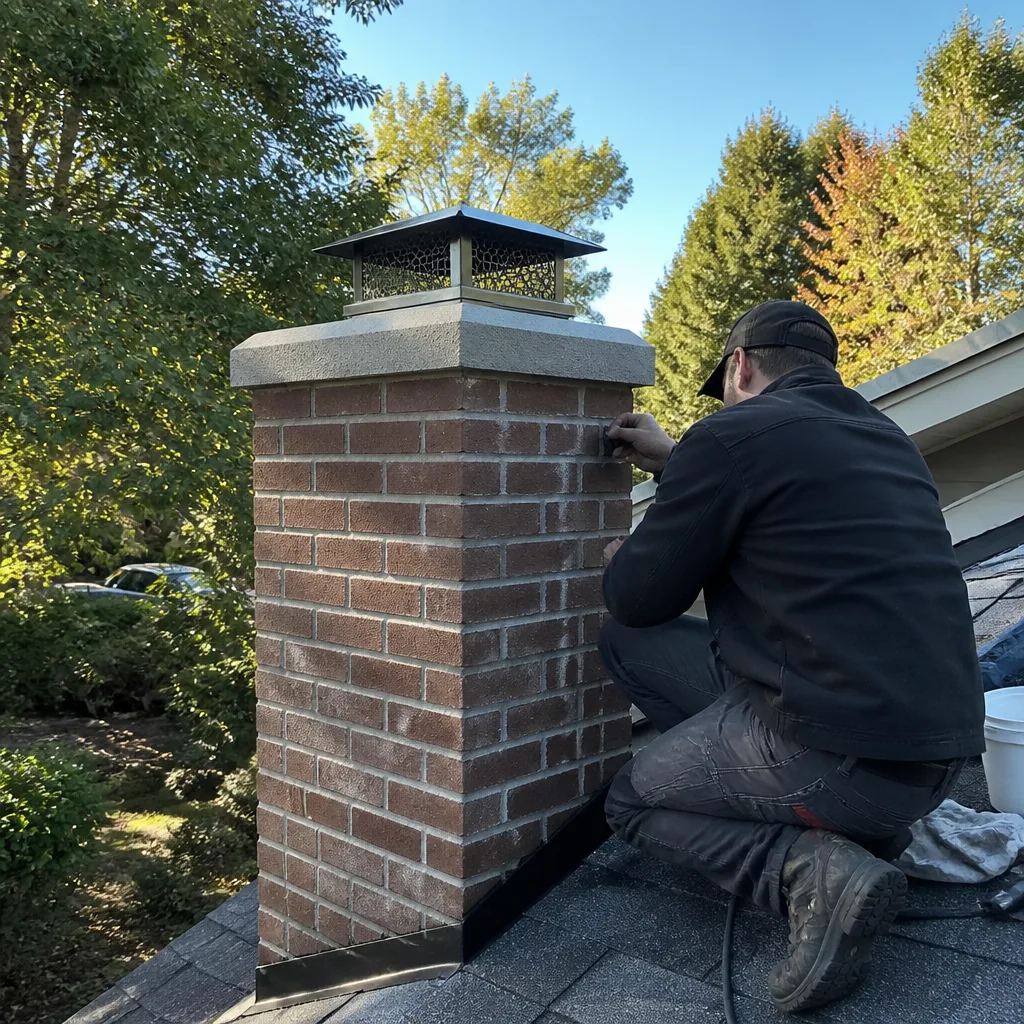 After
After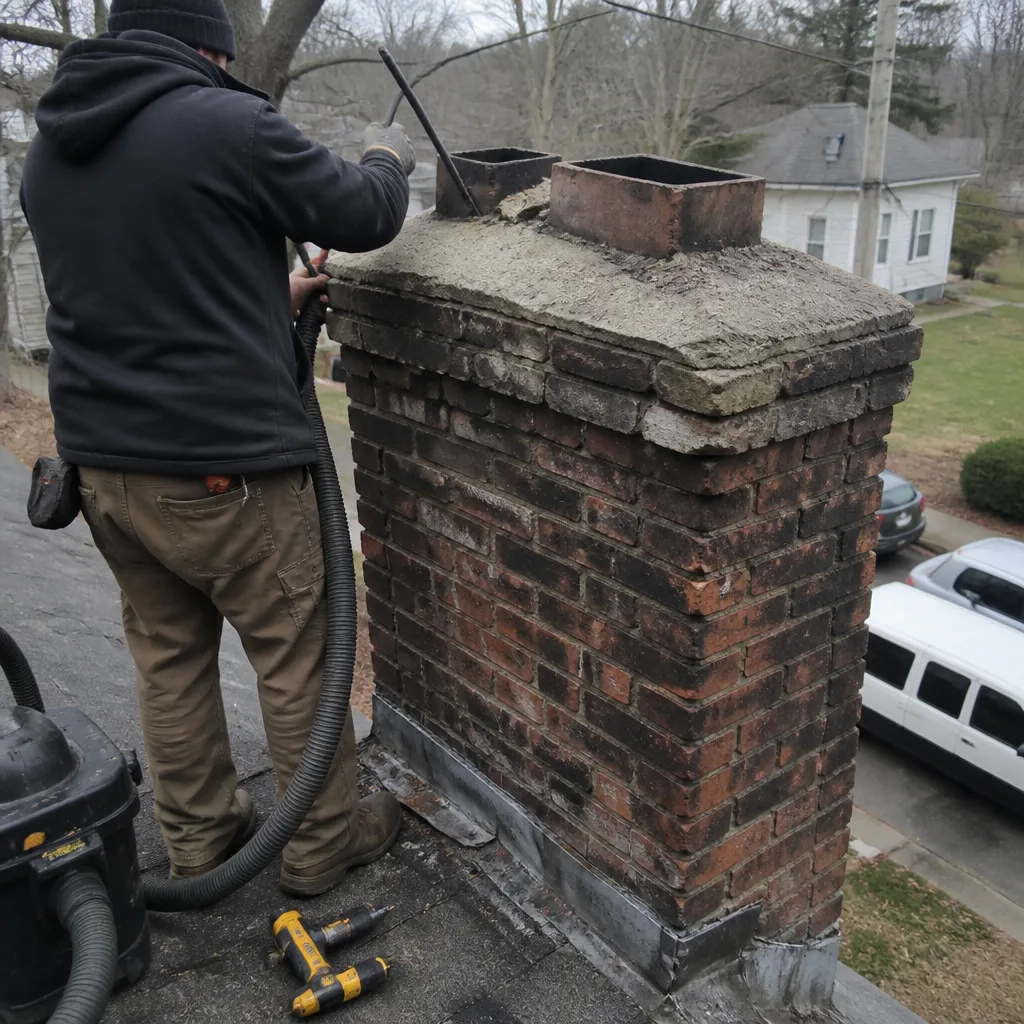 Before
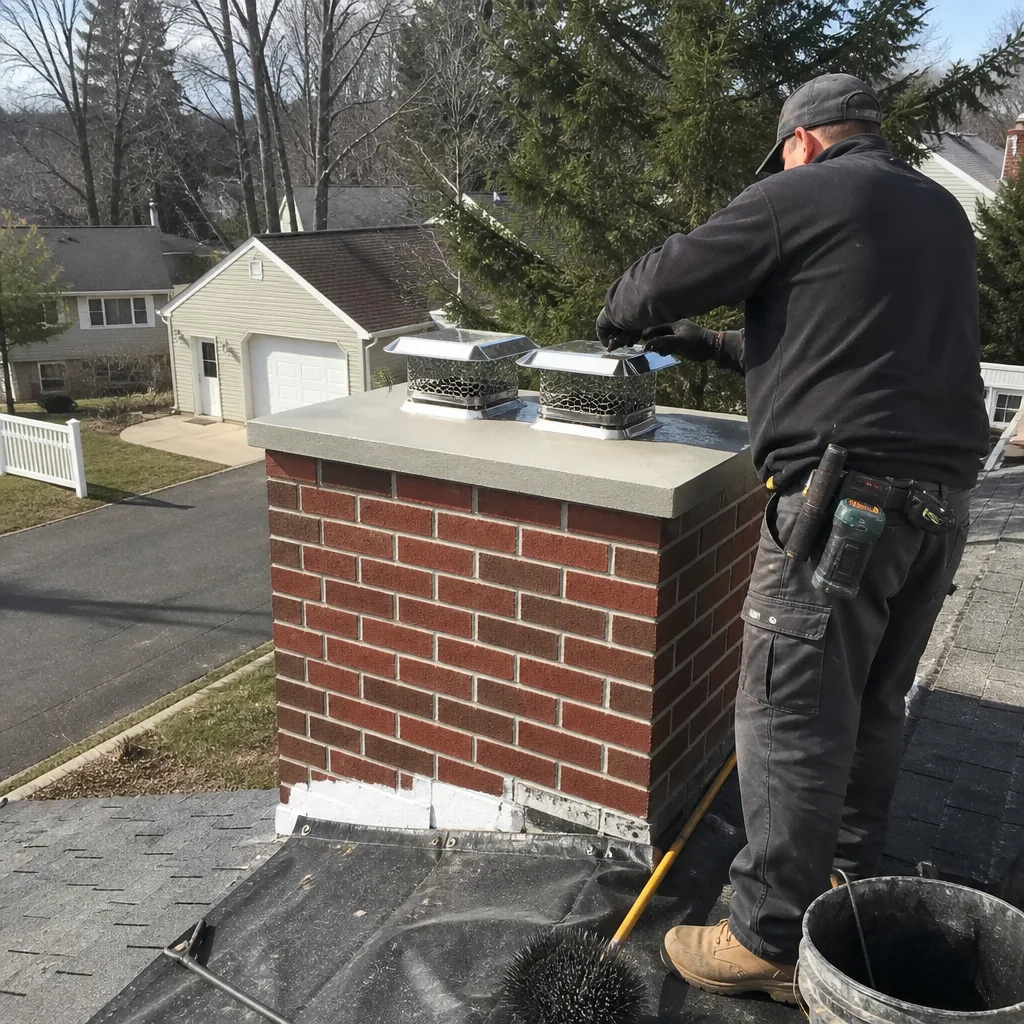 After
AfterChimney Cleaning Permits, Codes & Inspections in CT: What You Need to Know
Connecticut’s updated residential fire code provisions closed a gap that had been letting chimney work slide for decades: the state now draws a much sharper line between a routine cleaning and an alteration that requires a permit. Most homeowners in Waterbury and across the state don’t know where that line sits until a home inspector flags it during a sale, an insurance adjuster asks for permit records after a fire, or a building official shows up after a neighbor calls. This guide-along with our The Complete Guide to Chimney Cleaning in Waterbury-walks through exactly where cleaning ends and permitted work begins under CT code, which specific jobs trigger permit requirements in Waterbury, and how to protect yourself when you hire a sweep.
Quick Answer
Chimney cleaning itself does not require a permit anywhere in Connecticut, but liner replacement, firebox rebuilds, structural repairs, and most cap installations that modify the flue system do require a building permit from your local building department, including in Waterbury. Inspections are triggered by permit applications, real estate transactions, and insurance claims, not by routine sweeps. The safest approach: ask your sweep, in writing, whether the scope of work crosses the permit threshold before the first tool comes off the truck.
Table of Contents
- Cleaning vs. Alteration: Where CT Code Draws the Line
- What the Connecticut State Building Code and NFPA 211 Actually Say
- Which Chimney Jobs Trigger a Permit in Waterbury
- How Liner Replacement, Cap Installation, and Firebox Repair Are Classified Differently
- What Inspectors Look for During a Real Estate Transaction
- Why Skipping a Permit Can Void Your Homeowner’s Insurance Claim
- How to Ask Your Sweep Whether the Repair Requires a Permit
- What Happens During a CT Chimney Inspection
Cleaning vs. Alteration: Where CT Code Draws the Line
Here’s the plain version: sweeping out soot and creosote is maintenance, like changing the oil in your truck. Replacing a flue liner, rebuilding a firebox, or cutting into masonry to install a new thimble is alteration, like swapping the engine. Connecticut’s building code treats these two categories completely differently, and the threshold between them is closer than most people assume.
In our experience, the confusion usually starts with the word “repair.” A homeowner assumes repair means fixing something broken, which sounds like maintenance. But under CT code, any repair that changes the structure, materials, or dimensions of the chimney system is an alteration. That means a cracked flue tile that gets replaced with a stainless liner is an alteration. A deteriorated crown that gets rebuilt with new concrete is an alteration. A firebox with spalling brick that gets relined with refractory panels is an alteration.
What stays on the maintenance side? Brushing the flue, removing creosote, vacuuming out the smoke chamber, checking the damper, and inspecting the system. If we can do the job with brushes, rods, and a vacuum, you don’t need a permit. The moment we reach for mortar, stainless steel, or a saw, the conversation changes.
This distinction matters because Connecticut code enforcement has tightened significantly in the last decade. Building officials now cross-reference permit records during home sales, and insurance companies have gotten aggressive about denying chimney fire claims when unpermitted alterations surface. Waterbury homeowners who have owned their homes for 30 years are often the most surprised. They assume the rules they remember from 1995 still apply. They don’t.
What the Connecticut State Building Code and NFPA 211 Actually Say
Connecticut adopts the International Residential Code (IRC) with state-specific amendments, and it references NFPA 211, the National Fire Protection Association’s standard for chimneys, fireplaces, vents, and solid fuel-burning appliances. The two documents work together: the IRC governs construction and permitting, while NFPA 211 governs the operational and maintenance side, including cleaning frequencies and clearance requirements.
Here’s what they say in plain English:
- Cleaning is required, not permitted. NFPA 211 states that chimneys, fireplaces, and vents shall be inspected at least once a year and cleaned as needed. This is a maintenance obligation, not a construction activity. No permit required.
- Any structural change requires a permit. The IRC requires a building permit for any work that alters the structure of the chimney, including liner replacement, firebox rebuilding, crown replacement, and masonry repair that goes beyond surface pointing.
- Listed components must be installed per manufacturer instructions. When we install a DuraFlex liner or a HeatShield resurfacing system, those components are UL-listed, and the listing requires installation per the manufacturer’s specifications. A permit inspection verifies that.
- Solid fuel appliance connections are regulated. Connecting a wood stove or insert to a chimney is an alteration that requires a permit and an inspection, because the connection involves flue sizing, clearance to combustibles, and combustion air requirements.
The state fire code also incorporates NFPA 211’s clearance and maintenance standards, which means an insurance adjuster investigating a chimney fire will check whether the chimney was cleaned annually. If it wasn’t, that’s a maintenance failure. If it was cleaned but an unpermitted liner had been installed incorrectly, that becomes a construction failure. Both can sink a claim, but the second is much harder to defend.
Which Chimney Jobs Trigger a Permit in Waterbury
Waterbury follows the Connecticut State Building Code, but local building departments have latitude in how strictly they enforce certain thresholds. Based on our work in Waterbury, here are the jobs that trigger a permit from the city building department, and the jobs that don’t:
- Chimney sweeping and inspection: No permit. This is routine maintenance, and we can do it any day of the week.
- Chimney cap replacement: Usually no permit if it’s a direct replacement on an existing flue. But if the cap installation requires altering the flue tile or crown, a permit may be required. We check on a case-by-case basis.
- Stainless steel liner installation: Permit required. This is a structural alteration of the flue system, and the city wants an inspection to verify proper sizing, insulation, and connection.
- Firebox rebuild or refractory panel replacement: Permit required. The firebox is part of the structural masonry system, and rebuilding it involves new materials that must meet code.
- Crown rebuild or significant masonry repair: Permit required when the repair involves removing and replacing substantial portions of the crown or masonry. Surface pointing of small cracks does not require a permit.
- Damper replacement: Depends on the scope. Replacing a throat damper with a top-sealing damper is typically treated as an alteration requiring a permit, because it changes how the flue vents. Direct replacement of the same type usually doesn’t.
- Wood stove or insert installation: Permit required, always. This is a new appliance connection with significant clearance and combustion air requirements.
For a chimney repair in Waterbury, the question isn’t whether the work is needed but whether the scope crosses into alteration. We tell every client upfront what the permit picture looks like before we start. It’s our job to know, not yours to guess.
How Liner Replacement, Cap Installation, and Firebox Repair Are Classified Differently
This is where homeowners get tangled up. Three common chimney jobs sound similar in scope, but Connecticut code treats each one differently. Here’s the breakdown:
Liner replacement is always an alteration requiring a permit. The flue liner is the primary conduit that carries heat and combustion gases, and its material, size, and installation affect the safety of the entire system. When we install a stainless liner, even a DuraFlex system that’s designed for straightforward retrofit, the city wants to inspect it because a wrong-sized liner or a poorly connected lining can cause a chimney fire or carbon monoxide backdraft. There’s no gray area here.
Cap installation sits in a gray zone. A simple slip-on cap that slides onto an existing flue tile is maintenance and doesn’t need a permit. But if the crown is damaged and needs repair to anchor the cap, or if we’re installing a multi-flue cap that requires drilling into the crown, the scope can cross into alteration. In Waterbury, we’ve seen building officials treat cap replacements differently depending on what the before-photos show. The safe approach: document everything with photos before and after, and pull a permit if there’s any question.
Firebox repair is usually an alteration because the firebox is structural. Surface cracks can sometimes be sealed with the right refractory product without a permit, but relining a firebox with HeatShield or refractory panels changes the firebox’s materials and dimensions, which is an alteration. We default to pulling a permit for anything beyond cosmetic crack sealing, because the alternative is having an insurance claim denied later because the firebox wasn’t inspected after it was rebuilt.
The practical takeaway for Waterbury homeowners: if the job involves metal, mortar, or demolition, expect a permit. If it involves brushes and vacuums, don’t.
What Inspectors Look for During a Real Estate Transaction
If you’re selling a house in Waterbury, the home inspector will climb on the roof and look at the chimney. If you’re buying, you’ll pay for that same inspection and read every line of the report. What they’re looking for is more specific than most people realize.
Home inspectors in Connecticut are trained to flag visible chimney issues: cracked crowns, missing caps, spalling brick, rusted dampers, and creosote buildup. But they also look for signs of unpermitted work. A stainless liner that doesn’t match the age of the house. A firebox that looks recently rebuilt. A cap installed with newer hardware on an old chimney. When they see these signs, they often note “recommend review of permits” in the report, and that single line can hold up a closing for weeks.
Here’s what we tell sellers before they list: pull the permit records for any chimney work that was done while you owned the home. If you don’t have them, and the inspector flags the chimney, the buyer’s lender may require a permit search before funding. Unpermitted work can force a retroactive permit, which means opening walls or paying for an inspection after the fact. It’s cheaper and faster to check before you list than to fix during escrow.
For buyers, a flagged chimney with no permits is a negotiation point, but it’s also a warning sign. It doesn’t necessarily mean the work was bad; plenty of good sweeps did unpermitted liners 20 years ago when enforcement was looser. But it does mean the work was never inspected, and you’re buying that uncertainty. The right move is to ask the seller for the records, and if they can’t produce them, have the chimney inspected by a sweep who knows the current code before you close.
Why Skipping a Permit Can Void Your Homeowner’s Insurance Claim
This section is hard to write because it’s the one that keeps Waterbury homeowners up at night. But it’s the truth, and you deserve to hear it before a fire, not after.
Homeowner’s insurance policies in Connecticut typically include language that excludes coverage for damage caused by “faulty, inadequate, or defective” work, and many policies now include specific exclusions for unpermitted construction. If a chimney fire starts because a liner was installed without a permit, and the insurance company’s adjuster determines the liner wasn’t inspected, the claim can be denied even if the liner was installed correctly.
We’ve heard this story from homeowners in Watertown, Naugatuck, and right here in Waterbury: they paid cash for a liner from a contractor who said a permit wasn’t necessary. Three years later, the chimney catches fire. The fire department puts it out, the adjuster comes, and the first question is, “Where’s the permit for this liner?” When the answer is “there isn’t one,” the claim gets denied, and the homeowner is left with a burned-out chimney and a five-figure repair bill.
The fix is uncomplicated: pull the permit. It costs a few hundred dollars in Waterbury, which feels like a nuisance at the time, and it’s the cheapest insurance policy you’ll ever buy. The permit creates a public record that the work was inspected and approved by the city. That record is what the insurance company wants to see. The camera footage we shoot during every chimney cleaning in Waterbury helps, but it’s not a substitute for a permit inspection.
How to Ask Your Sweep Whether the Repair Requires a Permit
A good contractor will tell you before you have to ask. That’s a quiet test we recommend every homeowner run. Here’s the script:
- Before you book, ask this question on the phone: “Does this job require a permit in Waterbury, and will you pull it?” Listen to the answer. If there’s hesitation, if the contractor says “we don’t usually bother with permits for this,” or if they tell you not to worry about it, that’s a flag.
- Get the scope in writing. A verbal estimate is fine for scheduling, but the permit determination should be in the written estimate. If the contractor says no permit is needed, ask them to state that in writing and explain why under CT code.
- Ask who pulls the permit. In most Connecticut municipalities, the contractor pulls the permit, not the homeowner. The permit is issued in the contractor’s name, and the contractor is responsible for calling the inspection. If the contractor expects you to pull the permit, that’s unusual and worth asking about.
- Confirm the inspection date before work begins. The permit isn’t done when the work is done; it’s done when the inspector signs off. Make sure the contractor’s schedule includes the inspection visit.
- Ask for photos. We shoot camera footage before, during, and after every job, and we’ll walk you through what we see. If the contractor won’t show you photos, that’s worth a second thought. Your flue doesn’t care how the fire looks. It cares how it breathes.
We’ll be direct with you: if you call Top Hat Chimney and describe a job, and that job needs a permit, we’ll tell you on the phone. Wendell has been working in Waterbury since 1999, and he’d rather lose a job by being honest than win one by pretending the rules don’t exist. Around here, he’s going to run into you again on Saturday.
What Happens During a CT Chimney Inspection
When a permit is pulled for chimney work in Waterbury, the city sends a building inspector to verify the work meets code. The inspection is usually quick, but it’s not a rubber stamp. Here’s what the inspector looks for:
- Liner sizing and material: The inspector verifies the liner is the correct diameter for the appliance it serves and that it’s properly rated for the fuel type.
- Connection integrity: The liner must be securely connected at both ends, with a proper top plate and connector at the appliance.
- Clearance to combustibles: The inspector checks that the chimney maintains proper clearance from framing, insulation, and other combustible materials throughout its length.
- Crown and cap condition: The crown must shed water away from the flue, and the cap must be properly secured.
- Firebox construction: Rebuilt fireboxes must meet dimensional requirements and use approved refractory materials.
For routine cleanings, no inspection is required, but we still recommend a Level 2 inspection (camera scan) when you buy a home, after a chimney fire, after an earthquake or major storm, or whenever you change appliances-see our Chimney Cleaning & Sweep Maintenance Checklist for Waterbury Homeowners for the full schedule. A Level 1 visual inspection is part of every sweep we do, and it catches the obvious problems: cracked flue tiles, deteriorated mortar, animal nests, and creosote glaze.
In Waterbury, with our freeze-thaw cycles and old housing stock, we see more than our share of spalling brick and deteriorated crowns. Once a year, burn or no burn. Chimneys break in the off-season too.
Common Mistakes to Avoid
- Assuming cleaning covers everything. A sweep removes creosote and soot, but it doesn’t replace cracked flue tiles or rebuild a firebox. Those are repairs, and they need a permit. Ask what the sweep found and what the fix requires before you assume you’re done.
- Hiring a contractor who says permits aren’t needed for liner work. In Connecticut, liner installation is an alteration that requires a permit. Any contractor who tells you otherwise is either uninformed or avoiding the inspection. Neither is good.
- Waiting until you’re selling the house to check permit records. By then, you’re on the buyer’s timeline, and the cost of a retroactive permit is higher. Check before you list.
- Paying cash for unpermitted work to save a few hundred dollars. The savings evaporate the moment an insurance claim is denied or a closing is held up. The permit fee in Waterbury is a fraction of what an unpermitted liner can cost you later.
- Skipping the annual sweep to save money. First-degree creosote is a brush job. Third-degree is a glaze that requires chemical treatment or a liner. Catch it early. The sweep costs less than a chimney fire.
- Assuming home insurance covers chimney fires caused by lack of maintenance. Many policies require annual maintenance records. If you can’t show you had the chimney swept, the adjuster may call it neglect, and the claim gets shaky.
- Replacing a liner without camera evidence of the existing condition. Some national outfits quote liner replacements on every job, whether the flue needs it or not. Ask to see the camera footage. We’ll show it to you either way, and if the liner can safely wait, we’ll say so.
When to Call a Professional
Call a sweep when you haven’t had the chimney inspected in over a year, when you smell smoke in the house after a fire, when you see dark staining around the fireplace or chimney, when you hear animals in the flue, or when a home inspector flags the chimney on a report. Call immediately if you see smoke leaking through the masonry, if the damper won’t open or close fully, or if you’ve had a chimney fire, even a small one. These are not DIY fixes. Chimney systems involve fire, carbon monoxide, and structural masonry, and the consequences of getting it wrong are severe. Top Hat Chimney offers free estimates in Waterbury, call (203) 439-5655. Wendell and his crew will give you the camera footage and a plain-English verdict, every time, no exceptions.
Frequently Asked Questions
No. Chimney sweeping is classified as routine maintenance under Connecticut code and does not require a permit in any municipality, including Waterbury. The moment the work involves structural repair or liner replacement, the classification changes and a permit is likely required.
A standard chimney cleaning and Level 1 inspection in Waterbury typically runs between $180 and $325, depending on the height of the chimney, the amount of creosote buildup, and whether the chimney has been recently cleaned. System repairs such as liner installation, crown rebuilds, and firebox work are priced separately and include a written estimate before work begins. Call (203) 439-5655 for an exact quote; estimates are free and there’s no trip charge inside the county.
The home inspector may flag the liner during the sale, the buyer’s lender may require a permit search, and you could be forced to obtain a retroactive permit before closing. The cost and delay are usually higher than pulling the permit upfront, and the unresolved permit issue can delay or derail the sale entirely.
NFPA 211, which Connecticut has adopted, calls for chimneys to be inspected at least once a year and cleaned as needed. In our experience, most Waterbury homeowners who burn regularly need a sweep every year, while occasional burners can sometimes go two years between cleanings. Once a year, burn or no burn.
A direct replacement cap that slides onto an existing flue tile is maintenance and does not require a permit. If the crown must be repaired to properly anchor the cap, or if the cap changes the venting configuration of the flue, the job crosses into alteration and a permit is needed. We’ll tell you which category your job falls into before we start.
Yes, you can clean your own chimney without a permit, but we don’t recommend it for most homeowners. Proper sweeping requires specialized brushes, rod systems, and safety equipment, and a homeowner on a ladder in Waterbury’s winter is a risk that outweighs the $200 you’d save. If you do it yourself, never try to remove third-degree creosote glaze with a chimney fire; that’s how houses burn down. Call a sweep instead.
The Bottom Line
Chimney cleaning in Connecticut doesn’t require a permit, but the line between cleaning and alteration is closer than most homeowners think. Liner replacement, firebox rebuilds, and structural repairs trigger permit requirements in Waterbury, and skipping the permit can void your insurance claim after a fire and hold up your home sale. The fix is simple: ask your sweep, in writing, whether the job requires a permit, and pull it if it does. A few hundred dollars at the city building department is cheap insurance against a denied claim or a delayed closing. For more guides & resources, or if you’re ever unsure, call Wendell at Top Hat Chimney. He’s been honest with Waterbury homeowners since 1999, and he’ll keep being honest on Saturday when he sees you in town.
Written by Wendell Pike, Owner at Top Hat Chimney, serving Waterbury since 1999.